The Ultimate Non-Toxic Nursery Essentials: 15 Must-Haves for a Safe and Healthy Baby Room
Worried about hidden toxins in your baby’s nursery? You should be. From crib mattresses loaded with flame retardants to paints that off-gas VOCs for months, the average nursery contains dozens of hidden toxins that can affect your baby’s developing brain, lungs, and immune system. The standard nurseries are chemical traps.
But here’s the good news: you can avoid 90% of the risk with just 15 smart swaps. The fact is, non-toxic nursery essentials doesn’t require a complete overhaul, just a smart, prioritized checklist of the essentials that matter most.
This guide tells you exactly what to buy, what to skip, and which labels to trust, so you can breathe easy and sleep soundly.
At-a-Glance: Comparison of Key Non-Toxic Nursery Essentials
| Category | What to Look For | What to Avoid | Top Certification |
|---|---|---|---|
| Crib Mattress | Organic cotton, natural latex, wool; breathable core | Polyurethane foam, vinyl/PVC covers, chemical flame retardants | GOTS, GOLS, GREENGUARD Gold |
| Paint | Zero-VOC, water-based, low-odor | Oil-based paints, high-VOC formulas | GREENGUARD Gold, EcoSpec |
| Baby Clothing | 100% organic cotton, bamboo, wool, undyed fabrics | Synthetic fabrics, conventional cotton (pesticides) | GOTS, OEKO-TEX Standard 100 |
| Flooring | Solid hardwood, natural linoleum, wool carpet | Vinyl, laminate, synthetic carpets with adhesives | FloorScore, Green Label Plus |
| Cleaning Products | Plant-based, unscented, fragrance-free | Petroleum solvents, chlorine, ammonia, VOCs | EPA Safer Choice |
| Baby Bottles | Glass, food-grade silicone, stainless steel | Plastic (BPA, BPS, phthalates) | BPA-free verified |
Why a “Non-Toxic Nursery” Matters?
Your Baby’s Vulnerable Biology (Why They’re Not Just Mini Adults)
Babies are uniquely susceptible to environmental toxins. It’s not just that they’re smaller, their entire biology processes the world differently.
Children inhale more air per kilogram of body weight and absorb more pollutants relative to adults, while their lungs, bodies, and brains are still developing. Think of it this way: if an adult and a baby are in the same room with the same level of airborne chemicals, the baby is effectively getting a much larger dose relative to their size.
What’s more, a baby’s liver and kidneys, the organs responsible for filtering out toxins, aren’t fully mature. This makes it harder for them to process and eliminate harmful substances. A 2024 Dartmouth-led study found that even small environmental exposures can push vulnerable populations into higher-risk categories, with the percentage of at-risk mothers and babies jumping from under 10% to nearly 20% in the most vulnerable groups.
This is why the chemicals that might barely affect an adult can have a disproportionate impact on an infant. As the study’s lead author put it: “Something that may not seem like it will have an appreciable impact overall, actually may have a big impact in terms of risk for certain groups”.
The Hidden Chemicals Lurking in Standard Nurseries
The chemicals that may exist in standard nurseries have been linked to respiratory issues, developmental delays, and endocrine disruption. That’s why non-toxic nursery essentials aren’t just trendy, it’s one of the most important gifts you can give your baby.
Let’s walk into a standard nursery and you might not see anything alarming, but the invisible threats are everywhere. Here’s what you’re up against:
- VOCs (volatile organic compounds) off-gas from paint, furniture, and flooring for months or even years. We spend approximately 90% of our time indoors, and indoor air pollution has emerged as a critical yet underrecognized threat to public health, especially for children.
- Flame retardants are embedded in many crib mattresses and upholstered furniture. New York’s Family and Fire Protectant Act, effective December 2024, now prohibits the sale of mattresses containing certain flame retardant chemicals. But many older products still contain them.
- Formaldehyde is found in pressed wood products like cribs and dressers. In January 2025, the EPA determined that formaldehyde presents an unreasonable risk of acute and chronic injury to human health through inhalation and dermal exposure.
- Phthalates soften plastics in everything from teethers to changing pads. Prenatal exposure has been linked to delayed language acquisition, autism spectrum disorder traits, and behavioral deficits like ADHD.
- PFAS (“forever chemicals”) are often used in waterproofing treatments and stain-resistant fabrics.
The Non-Toxic Nursery Essentials: 15 Swaps That Protect Your Baby
The Big Three: Mattress, Crib, and Paint (Where to Make Your First Swaps)
If you’re on a budget or feeling overwhelmed, focus your energy and your dollars on these three items for non-toxic nursery essentials.
The crib mattress is where your baby will spend 12+ hours a day. The difference between a toxic and non-toxic mattress is significant. Choose one made from organic cotton, natural latex, or wool, and look for GOTS (Global Organic Textile Standard) or GOLS (Global Organic Latex Standard) certification. GREENGUARD Gold certification ensures the mattress has been independently tested for low chemical emissions, in fact, it sets chemical concentration limits at about 1/10th of the governmental limit. Products with this certification are tested for over 360 VOCs.
The crib itself should be made of solid wood with a non-toxic finish. Avoid pressed wood products that can contain formaldehyde. And steer clear of vintage cribs made before 1978, they may have lead-based paint.
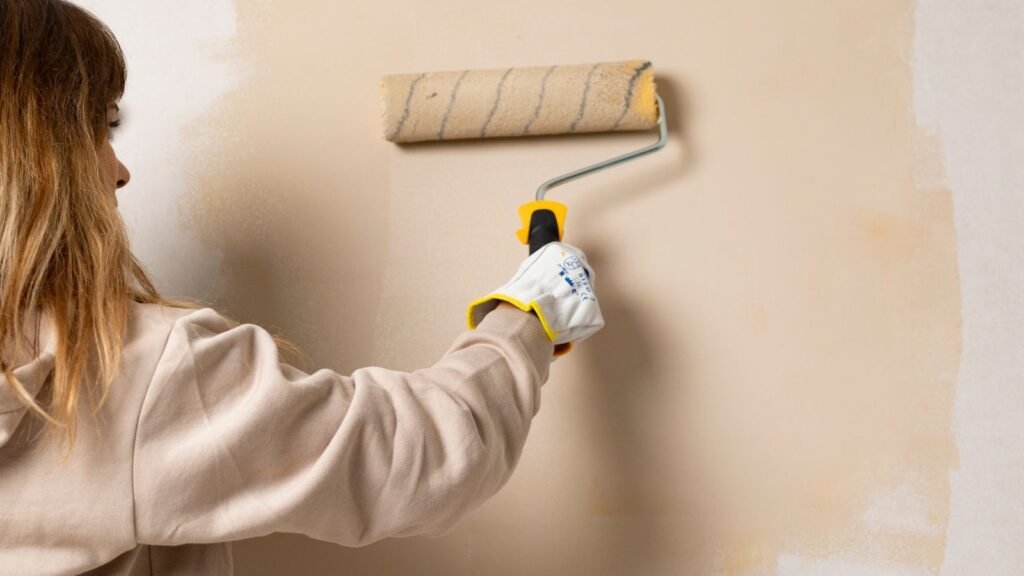
Paint is your third priority. Choose zero-VOC, water-based paints and allow proper ventilation and off-gassing time before the baby moves in. GREENGUARD Gold certified paints are your safest bet, as they’ve been vetted for low emissions.
Bedding, Clothing, and Textiles (What Touches Baby’s Skin)
Your baby’s skin is their largest organ and it absorbs whatever it touches.
For bedding, choose organic cotton or wool sheets, mattress pads, and sleep sacks. Avoid synthetic fabrics, chemical wrinkle-resistant treatments, and dyes. Look for GOTS certification, which requires a minimum of 95% organic fibers. OEKO-TEX Standard 100 is another reliable certification for textiles tested against harmful substances.
For clothing, the same rule applies: 100% organic cotton, bamboo, or wool, ideally undyed or naturally dyed. A good rule of thumb: if it smells like “new” when you open the package, it’s off-gassing chemicals, wash it multiple times before your baby wears it.
Air, Floor, and Everyday Toxins in Standard Nurseries
Clean Air, Clean Floors, Clean Water
The air in your nursery deserves as much attention as the furniture and it’s one of the most important factors of non-toxic nursery essentials.
Air purifiers with HEPA and activated carbon filters can remove airborne VOCs, dust, and allergens. Humidifiers, preferably cool-mist models, can maintain healthy humidity levels. Just be sure to clean them regularly to prevent mold growth.
For flooring, avoid vinyl, laminate, and synthetic carpets which can emit VOCs and trap dust. Opt for solid hardwood, natural linoleum, or wool carpet with natural backing. Look for FloorScore or Green Label Plus certifications for low-emitting flooring.
And don’t forget water. If you’re using tap water for formula or mixing, consider a high-quality water filter that removes heavy metals and microplastics.
Cleaning Products, Laundry Detergent, and Diapers
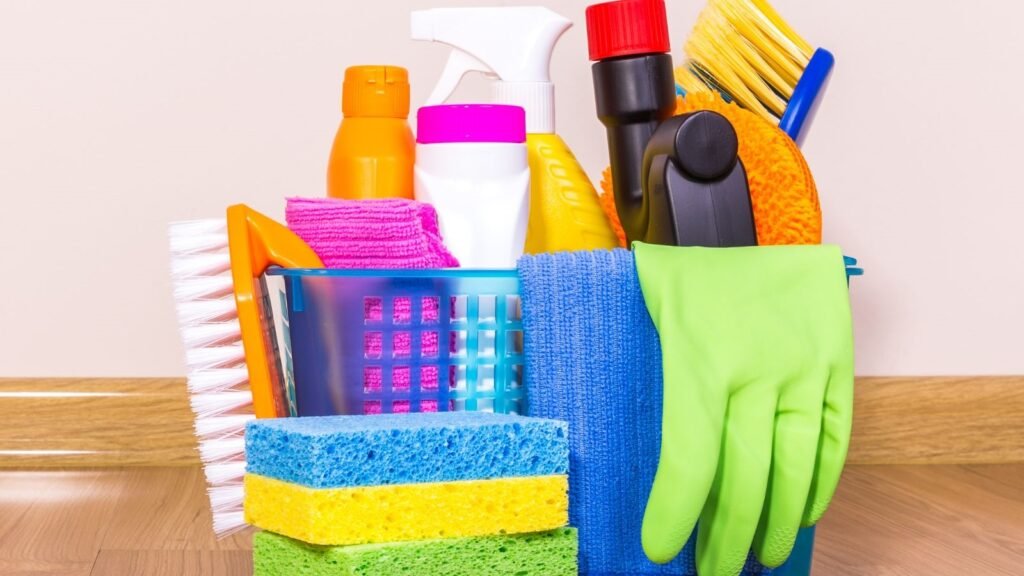
Conventional cleaning products are loaded with petroleum solvents, chlorine, ammonia, and synthetic fragrances, all of which contribute to indoor air pollution. Switch to plant-based, unscented cleaners, or make your own with vinegar, baking soda, and water.
For laundry, skip the fragranced detergents like Dreft, which are full of synthetic chemicals. Instead, use fragrance-free, plant-based detergents. Fragrance-free is key here, “natural fragrance” can still be a chemical cocktail.
For diapers, consider cloth diapers or nontoxic disposable options free from chlorine, fragrances, and lotions as a part of your non-toxic nursery essentials.
Non-Toxic Nursery Essentials: Natural Vs. Non-Toxic Vs. Organic (What’s the Difference?)
The Labels That Actually Mean Something (And the Ones That Don’t)
Not all labels are created equal. Here’s the honest truth:
- “Non-toxic” is an unregulated marketing term, any company can slap it on a product without third-party verification.
- “Natural” is equally vague, with no legal definition in the baby products space.
- “Organic”, on the other hand, is regulated by the USDA for agricultural products (like cotton and food), but doesn’t cover finished goods like mattresses or furniture.
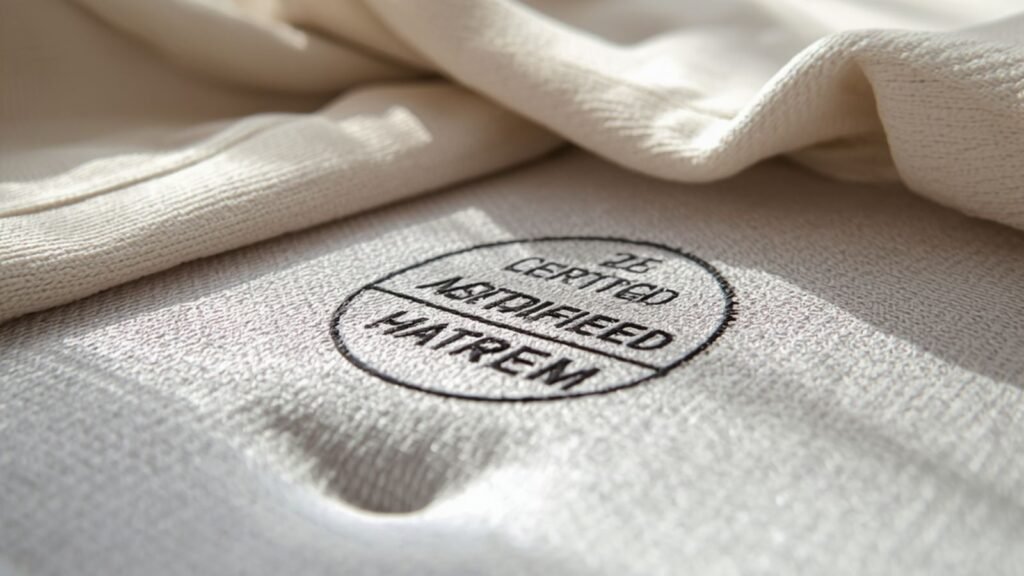
The labels you can actually trust are third-party certifications for non-toxic nursery essentials. When you see these, you know an independent body has done the testing, not just the marketing department. These include:
- GOTS (Global Organic Textile Standard) for textiles.
- GOLS (Global Organic Latex Standard) for latex products.
- GREENGUARD Gold for low chemical emissions, tests for over 360 VOCs.
- OEKO-TEX Standard 100 for textiles tested against harmful substances.
- FloorScore for flooring.
Does “Non-Toxic” Always Mean Safer? The Nuance You Need
Here’s where it gets complicated: a product can be “non-toxic” but still not be the healthiest choice.
For example, a non-toxic mattress might still contain synthetic materials that are less breathable than natural alternatives. A zero-VOC paint might still contain other chemicals that haven’t been fully studied. And some natural materials like wool can trigger allergies in sensitive babies.
The safest approach is to prioritize certified organic materials, minimize synthetic materials entirely, and research the specific chemicals you’re trying to avoid (VOCs, flame retardants, formaldehyde, phthalates, PFAS) rather than relying solely on marketing buzzwords.
Budget-Friendly Non-Toxic Swaps
Where to Splurge Vs. Where to Save for Non-Toxic Nursery Essentials
Creating a non-toxic nursery doesn’t have to break the bank. Here’s your roadmap:
Splurge on the crib mattress: This is where your baby will spend 12+ hours a day, and the difference between a toxic and non-toxic mattress is significant.
Save on decor: Non-toxic wall art, mobiles, and rugs can be found at thrift stores or made yourself; just give them a good airing-out before bringing them into the nursery.
Splurge on paint: Zero-VOC paint is only slightly more expensive than conventional paint but makes a huge difference in air quality.
Save on clothing: Buy secondhand organic cotton clothes (they’ve already been washed multiple times, which reduces chemical residues) and focus on a few high-quality pieces rather than a full wardrobe.
Splurge on an air purifier: If you live in an area with poor outdoor air quality. Save on furniture by buying solid wood pieces secondhand, they’ve already been off-gassed.
DIY Solutions and Secondhand Strategies for Non-Toxic Nursery Essentials
One of the most overlooked strategies for non-toxic nursery essentials is buying secondhand.
Pre-loved furniture has already off-gassed its VOCs, making it inherently safer than brand-new pieces. Just make sure to avoid items made before 1978 (lead paint risk). This is where you can save hundreds of dollars while actually getting a safer product.
For DIY, you can:
- Make your own non-toxic cleaning solutions with vinegar, water, and baking soda.
- Create natural air fresheners with citrus peels and herbs.
- Sew your own organic cotton crib sheets if you’re handy with a sewing machine.
And don’t underestimate the power of ventilation. Simply opening windows for a few weeks before the baby arrives can significantly reduce indoor VOC levels. It’s free, and it works.
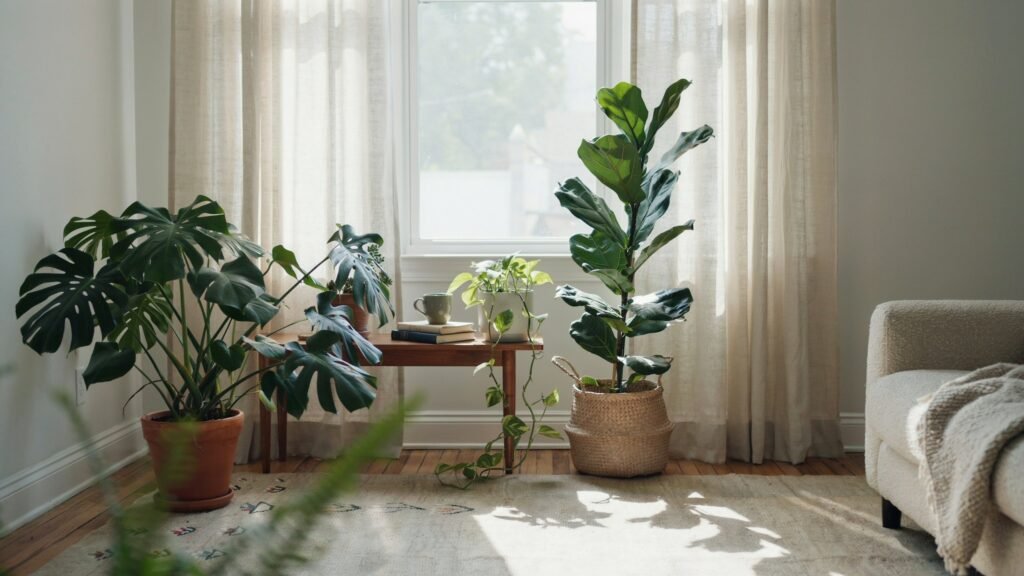
Hidden Gem Recommendation: Non-Toxic Nursery Plants
Most non-toxic nursery guides focus on furniture and paint but they completely overlook indoor plants.
Not only do plants add beauty and serenity to a nursery, but they also create oxygen, remove harmful toxins from the air, and add gentle humidity. The hidden gem? The Cast Iron Plant, it’s 100% non-toxic to both humans and pets, thrives in low light, requires very little upkeep (perfect for sleep-deprived new parents), and doesn’t have spiky foliage that could hurt curious toddlers.
Other excellent non-toxic options include:
- Parlor Palm (an excellent air purifier).
- Calathea Medallion (a splash of color that’s 100% non-toxic).
- Braided Money Tree (brings good fortune, according to feng shui).
Just keep them out of reach of little hands as your baby becomes mobile.
Pros and Cons: Non-Toxic Nursery Essentials
| Pro | Con |
|---|---|
| ✅ Reduces your baby’s exposure to VOCs, flame retardants, formaldehyde, and phthalates | ❌ Non-toxic products are often significantly more expensive than conventional alternatives |
| ✅ Supports healthier brain, lung, and immune system development | ❌ “Non-toxic,” “natural,” and “organic” labels are confusing and often unregulated |
| ✅ Creates better indoor air quality for the whole family | ❌ Limited availability—not all products are available in every region |
| ✅ Many non-toxic products are also more sustainable and eco-friendly | ❌ Requires more research and label-reading; you can’t just grab the first thing off the shelf |
| ✅ Secondhand and DIY options can make non-toxic living more affordable | ❌ Some “green” products still contain undisclosed or poorly-studied chemicals |
| ✅ Peace of mind knowing you’ve done everything you can for your baby’s health | ❌ Can feel overwhelming for first-time parents already dealing with decision fatigue |
Frequently Asked Questions: Non-toxic Nursery Essentials
Why is a non-toxic nursery important for my baby?
Babies are more vulnerable to environmental toxins because their bodies are still developing, their skin is thinner, and their organs aren’t fully mature. Studies show that children inhale more air per kilogram of body weight and absorb more pollutants relative to adults. Chemicals like VOCs, flame retardants, and formaldehyde can affect respiratory health, brain development, and the endocrine system.
What are the most important non-toxic nursery essentials to prioritize?
The three most important items are the crib mattress, the crib itself, and the paint. These have the biggest impact on your baby’s health and are where you should focus your budget. After that, prioritize bedding, clothing, and cleaning products.
What harmful chemicals should I avoid in a nursery?
Avoid VOCs (volatile organic compounds), flame retardants, phthalates, formaldehyde, PFAS (“forever chemicals”), PVC, BPA, and synthetic fragrances. In January 2025, the EPA determined that formaldehyde presents an unreasonable risk of acute and chronic injury to human health.
Is zero-VOC paint really safer than low-VOC paint?
Yes. Zero-VOC paints emit little to no harmful fumes and are the safest choice for nurseries. Look for paints that are zero-VOC even after tinting, like Benjamin Moore Eco Spec or other GREENGUARD Gold certified options.
Do I need to buy everything organic, or can I prioritize?
Prioritize. Focus your organic spending on the crib mattress, bedding, and clothing, items that have the most contact with your baby’s skin and breath. For furniture, look for solid wood with non-toxic finishes rather than pressed wood.
How long should I let a new nursery off-gas before the baby arrives?
Ideally, finish painting and assemble new furniture at least 2 to 4 weeks before your due date, and keep windows open for ventilation. This allows VOCs to dissipate before the baby moves in.
Are secondhand nursery items safe for a non-toxic nursery?
Yes, with caution. Secondhand items have already off-gassed their VOCs, making them safer than new items. However, avoid cribs and furniture made before 1978 (lead paint risk) and check for structural safety.
What certifications should I look for when shopping for non-toxic nursery essentials?
Look for GOTS (organic textiles), GOLS (organic latex), GREENGUARD Gold (low chemical emissions, tests for over 360 VOCs), OEKO-TEX Standard 100 (textiles tested for harmful substances), and FloorScore (flooring).
Final Words: Non-Toxic Nursery Essentials
Let’s pause for a moment. If you’re reading this with a racing heart and a growing to-do list for non-toxic nursery essentials, take a deep breath.
Here’s the truth no one tells you: perfection isn’t the goal, progress is.
You don’t need a $10,000 makeover or a lab-tested, zero-chemical paradise to be a great parent. Focus on the Big Three, the mattress, the crib, and the paint. Open the windows. Wash those adorable little onesies twice. And let the rest come as you go.
Every swap you make regarding non-toxic nursery essentials, from switching to a fragrance-free detergent to adding that humble Cast Iron Plant, is a quiet act of love. Celebrate those small wins. You are already doing more than enough just by being here, reading, and caring this much.
Now, grab your non-toxic nursery essentials checklist, bookmark this page, and take it one step at a time. Your baby is lucky to have you, and they’re going to sleep soundly in a room built with nothing but love (and a whole lot less chemicals).
If this guide helped you, consider sharing it with another parent or your family friend. Drop in your comment for suggestions and do read more helpful articles from this site: 10 Newborn Sleep Safety Mistakes & How to Avoid Them (2026 Guide), Introducing Pets to Newborn Safely: A 7-Step Vet-Approved Timeline, Safe Home Setup for Newborn: 15 Must-Know Safety Tips Before Baby Arrives, Microplastics in Baby Bottles: Risks, Research, and How Parents Can Reduce Exposure.
Disclaimer
This article is for informational purposes only and does not constitute medical advice. Always consult with your pediatrician regarding your baby’s health and safety.