
How to Protect Your Baby from Lead Exposure During Pregnancy: Testing, Nutrition & Safety
Lead exposure during pregnancy was attributed to more than 1.5 million deaths globally in 2019, according to the World Health Organization. And here’s the thing about lead that makes it so dangerous: there is no level of exposure that is known to be without harmful effects.
If you’re pregnant, reading that might make your heart skip a beat. I get it. But here’s the good news, the harmful impacts on health from lead exposure are entirely preventable.
This guide is your complete roadmap to understanding lead poisoning during pregnancy: what it is, why it matters, how to know if you’re at risk, and most importantly, exactly what you can do to protect yourself and your baby. We’ll cover testing, source-by-source prevention, nutrition, treatment options, breastfeeding guidance, and answers to the questions you’re probably already asking.
There is no known safe level of lead exposure during pregnancy, but the harmful impacts are entirely preventable. Let’s start with the most important thing you need to know. Ready? Let’s dive in.

What is Lead Poisoning Prevention During Pregnancy?
Lead poisoning prevention during pregnancy means taking steps to protect yourself and your baby from lead exposure, before, during, and after pregnancy. This includes:
- Testing your home for lead paint and contaminated water.
- Getting a blood lead test if you have any risk factors.
- Eating a diet rich in calcium (2,000 mg/day) and iron (30 mg/day).
- Avoiding imported products that may contain lead.
- Telling your doctor about any cravings for non-food items (pica).
Why Lead Poisoning Prevention During Pregnancy Matters More Than You Think?
Lead is stored in your bones. When you’re exposed to lead, whether from old paint dust, contaminated water, or certain products, your body doesn’t just flush it out. Instead, about 90% of it is deposited and stored in your bones. It stays there, sometimes for decades.
And then you get pregnant.
“Lead can be stored in the bones of adults who are exposed to lead over a long time. The lead stored in the bones of adults can be released into the blood during pregnancy.” CDC
This mechanism makes pregnancy a uniquely vulnerable time. Lead crosses the placenta readily, exposing your baby to whatever lead is circulating in your blood. Cord blood lead levels average about 0.80 times maternal blood lead levels, meaning your baby receives about 80% of your exposure.
The core truth: There is no known safe level of lead during pregnancy. Even levels below 5 µg/dL have been associated with reduced fetal growth.
But here’s what gives me hope and should give you hope too: prevention is possible. Every single lead exposure during pregnancy is avoidable. And that’s exactly what this guide will help you do.
Lead Exposure During Pregnancy: How Lead Harms You and Your Baby?
Health Risks for Pregnant Women
“If you are pregnant or breastfeeding, lead can harm your baby.” CDC
Lead exposure during pregnancy doesn’t just affect your baby, it affects you too. Here’s what the research shows:
- Increased risk of miscarriage.
- Higher chance of preterm birth and low birth weight.
- Gestational hypertension and preeclampsia risk.
- Long-term cardiovascular and kidney effects.
Health Risks for the Developing Baby
Lead readily crosses the placenta by passive diffusion. Once it reaches your baby, it can:
- Harm your baby’s brain, kidneys, and nervous system.
- Cause learning or behavior problems in childhood.
- Decrease IQ and contribute to learning difficulties.
- Reduce growth before and after birth.
The Bone Storage Mechanism Explained
I want to explain this mechanism more deeply because it’s one of the most surprising things about lead exposure during pregnancy.
When lead enters your bloodstream through inhalation of dust, ingestion of contaminated food or water, or skin contact, about 90% of it is deposited and stored in your bones. Your bones act like a sponge, soaking up lead and holding onto it.
During pregnancy, your body needs extra calcium to build your baby’s skeleton. To get that calcium, your bones undergo a process called “resorption”, they break down slightly, releasing calcium into your bloodstream. But if lead is stored in those bones, it gets released too.
This means your blood lead levels can rise during pregnancy even if you haven’t been exposed to any new lead sources. It’s why past exposures matter so much and why knowing your risk factors is essential.
Understanding Blood Lead Levels (BLLs) During Pregnancy
Understanding your blood lead levels during pregnancy is the first step to protecting your baby.
How Lead Testing During Pregnancy Works?
Lead testing during pregnancy is recommended if you have any risk factors for exposure.
A blood lead level (BLL) test measures the amount of lead circulating in your blood at a specific moment. But here’s an important limitation: a blood test cannot measure your body’s total lead burden stored in your bones.
There are two types of lead tests:
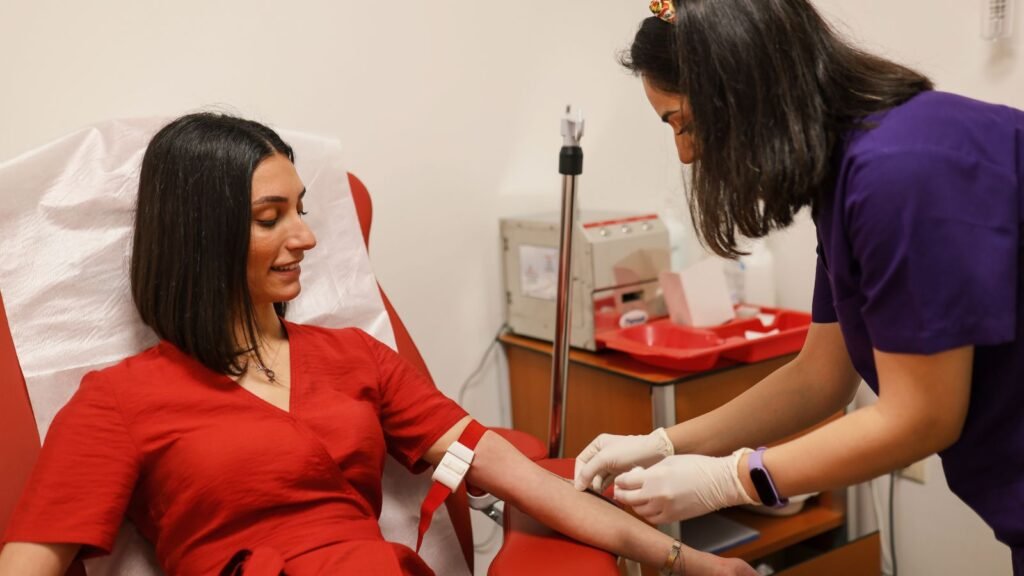
- Finger-prick (capillary) test: Quick but can be contaminated by lead on the skin’s surface.
- Venous draw: More accurate and the preferred method for pregnant women.
Any amount of lead in your blood means you’ve been exposed. The question is how much and what to do about it.
Lead Exposure During Pregnancy: Blood Lead Level Reference Table
| Blood Lead Level | What It Means | Recommended Action |
|---|---|---|
| <5 µg/dL | No elevated level. | Maintain prevention; eat a healthy diet rich in calcium and iron. |
| ≥5 µg/dL | Elevated, action needed. | Identify and remove source; nutritional intervention; follow-up testing. |
| 20–29 µg/dL | Significant elevation. | Remove from exposure; re-test in 4 weeks. |
| 30–49 µg/dL | High elevation. | Remove from exposure; medical monitoring. |
| ≥40 µg/dL | Chelation considered. | Chelation considered for symptomatic individuals. |
| ≥45 µg/dL (2nd/3rd trimester) | Chelation recommended. | Chelation recommended if no encephalopathy. |
| ≥70 µg/dL | Medical emergency. | Immediate emergency care. |
The CDC states that if you’re pregnant, you should not exceed 5 µg/dL. Even lower levels can affect fetal growth.
The Screening Controversy About Lead Exposure During Pregnancy: What Your Doctor May Not Tell You
Here’s where things get complicated and it’s important you understand this. Different organizations have different recommendations for lead screening during pregnancy:
- CDC: Recommends blood lead testing for pregnant women with one or more risk factors
- ACOG: Recommends evaluating all pregnant women for risk and performing blood lead testing if risks are identified
- USPSTF: Recommends against routine screening for asymptomatic pregnant women (Grade D recommendation)
Why the contradiction? The USPSTF found no studies that examined the effectiveness or harms of screening among pregnant women. In other words, there’s not enough research to say universal screening helps but that doesn’t mean screening isn’t valuable for women with risk factors.
What this means for you: If you have even one risk factor, ask for a blood lead test. Don’t wait for your doctor to bring it up.
Lead Exposure Risk Assessment for Pregnant Women
Risk Factor Checklist
Most women with lead poisoning during pregnancy have no symptoms, which is why testing is so important. Take a moment to go through this checklist. Be honest with yourself, this is about protecting your baby.
| Risk Factor | Yes/No |
|---|---|
| Live in or regularly visit a home built before 1978. | ☐ |
| Renovating or remodeling a pre-1978 home. | ☐ |
| Work in construction, auto refinishing, battery manufacturing, or plumbing. | ☐ |
| Have a partner who works in a lead-related job (take-home exposure). | ☐ |
| Use imported cosmetics (kohl, surma, kajal, sindoor). | ☐ |
| Use traditional or folk medicines (Ayurvedic, herbal remedies). | ☐ |
| Eat imported spices (especially turmeric, curry powder) or candy. | ☐ |
| Use lead-glazed ceramic pottery or pewter/brass containers. | ☐ |
| Have cravings for non-food items (dirt, clay, chalk, ice) called “pica”. | ☐ |
| Drink water from lead pipes or old plumbing fixtures. | ☐ |
| Recently immigrated to the U.S. | ☐ |
| Live near a contamination source (battery recycling, mining, smelting). | ☐ |
| Have hobbies like target shooting, stained glass, or pottery making. | ☐ |
| Have a history of previous lead exposure during pregnancy. | ☐ |
| Have a household member with an elevated blood lead level. | ☐ |
What to Do If You Checked One or More Boxes?
First, don’t panic. Checking a box doesn’t mean you or your baby have been harmed, it means you should take action.
- Talk to your doctor about any medicines, vitamins, home remedies, or supplements you’re taking.
- Tell your doctor about any cravings you might have, such as eating dirt or clay.
- Ask for a blood lead test.
- Work with your provider to identify and remove sources.
“If you are pregnant and think you may have been exposed to lead, talk to your healthcare provider. You can talk about getting a blood lead test. A blood test is the best and most readily available way to determine if you have been exposed to lead.” CDC
How to Prevent Lead Exposure During Pregnancy: 6 Key Areas
#1: Lead in Your Home (Paint & Dust)
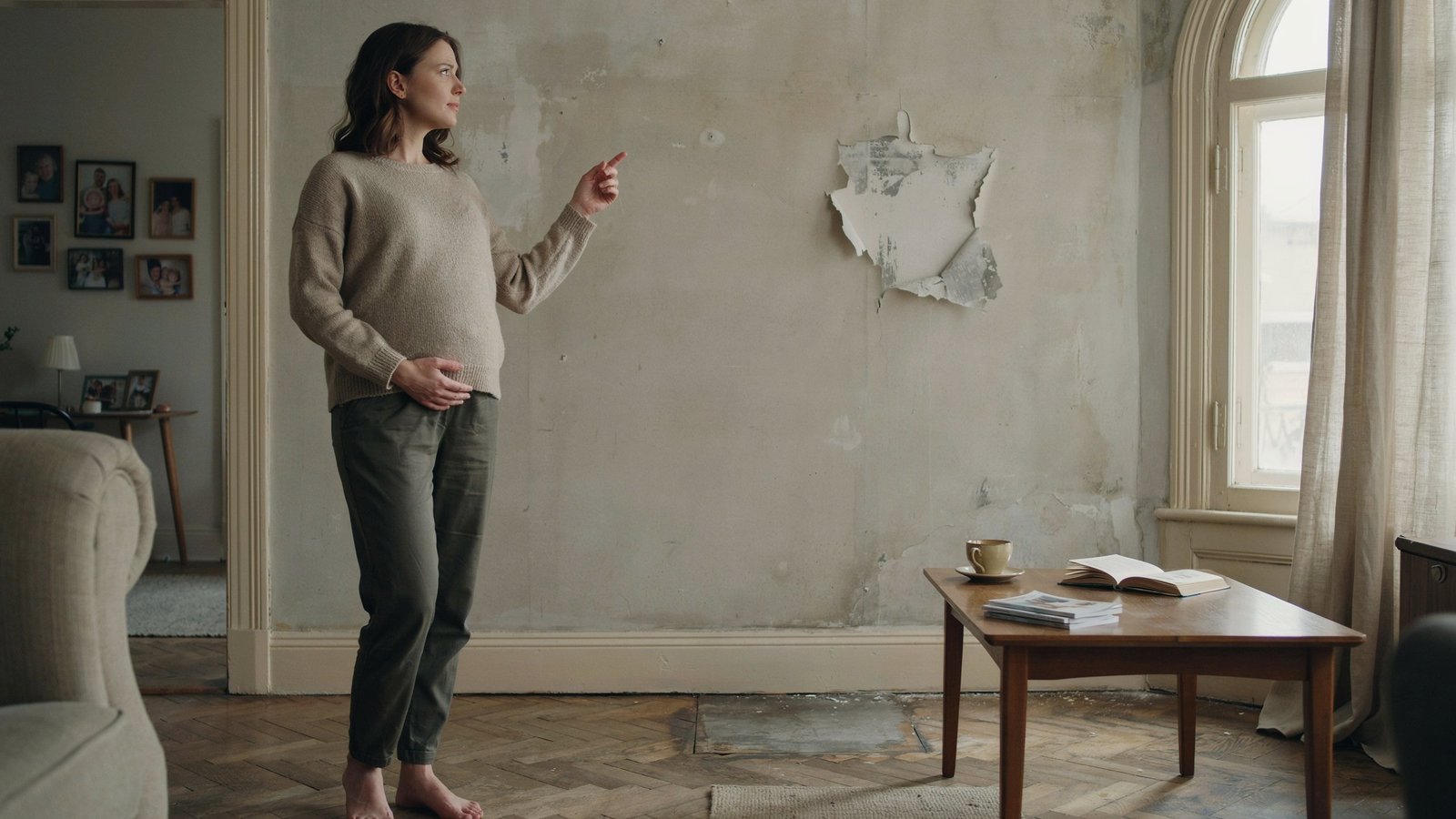
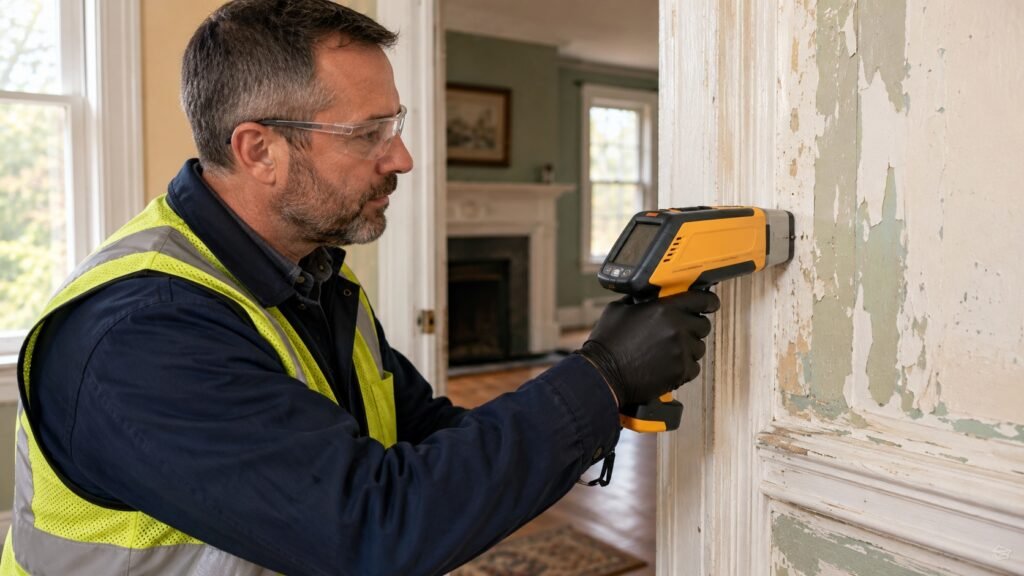
Most lead comes from paint in homes built before 1978. When old paint cracks and peels, it creates lead dust and chips. The dust is so small you cannot see it, but you can breathe it in.
What to do:
- Have your home inspected by a licensed lead inspector if it was built before 1978.
- If you’re pregnant or breastfeeding, leave the house when someone is removing lead paint, cleaning up after removal, or remodeling a room that might have lead paint.
- The EPA advises: Pregnant women and children should not be present in housing built before 1978 that’s undergoing renovation.
- If you’re a renter, notify your landlord of peeling or chipping paint.
- The cost of lead abatement during pregnancy varies, but financial assistance may be available through local health departments and HUD programs.
#2: Lead in Drinking Water
Lead can enter drinking water through plumbing systems containing lead pipes, solders, and fittings. The EPA estimates drinking water can make up 20% or more of a person’s total lead exposure.
What to do:
- Test your water for lead.
- Use NSF-certified lead-removing filters.
- Run cold water for 1-2 minutes before using for drinking or cooking.
- Never use hot water from the tap for drinking, cooking, or making baby formula.

#3: Occupational & Take-Home Lead Exposure During Pregnancy
High-risk jobs include construction, renovation or repair of homes built before 1978, battery manufacturing, and auto refinishing. If your partner works with lead, in construction, auto repair, battery manufacturing, plumbing, or at a firing range, they can bring lead dust home on their clothes, shoes, and skin. This is called “take-home exposure.”
Lead poisoning has happened in children whose parents accidentally brought home lead dust on their work clothes.
What to do:
- If someone who lives with you works with lead, have them change into clean clothing before coming home.
- Keep their work shoes and tools outside.
- Wash their work clothes separately from the rest of the family’s laundry.

#4: Lead in Food, Cosmetics, and Traditional Products
“Use caution when eating anything brought into the United States by travelers from other countries.” CDC
Lead can be found in:
- Candy, candy wrappers, and spices from other countries.
- Cosmetics like kohl, surma, and kajal.
- Traditional medicines and ceremonial powders.
- Imported lead-glazed ceramic pottery.
- Pewter or brass containers and utensils.
- Leaded crystal for serving or storing beverages.

#5: Pica During Pregnancy (The Hidden Risk)
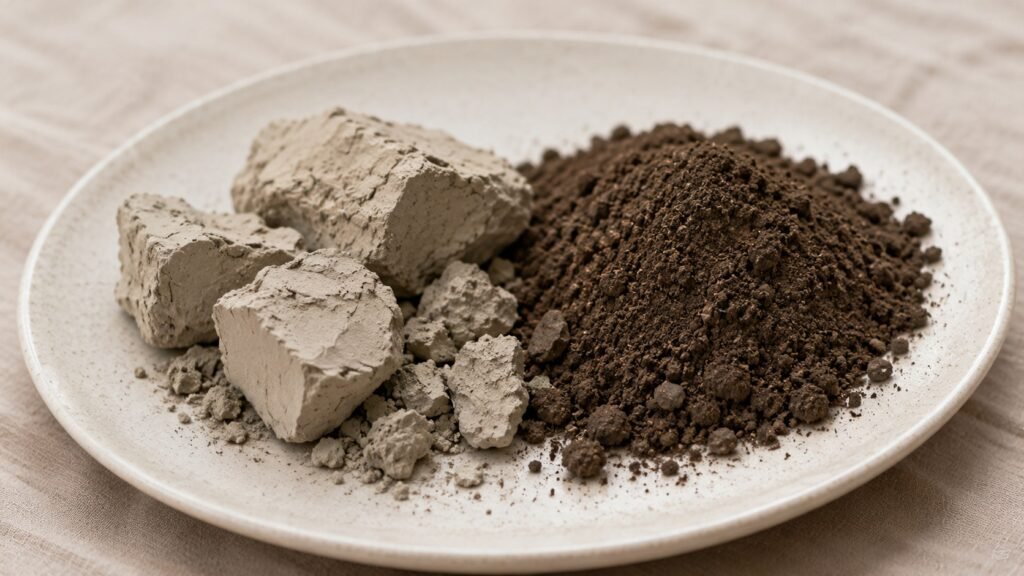
Pica is the compulsive, habitual consumption of non-food items or things like dirt, clay, chalk, or ice.
“Women who practice pica, which is the craving to eat nonfood items, such as dirt, paint chips, and clay have a greater risk of exposure.” CDC
Why this matters: Pica is one of the most underrecognized lead exposure during pregnancy. The CDC notes the need for effective strategies for identification and treatment of pica in pregnant women.
Be honest with your doctor about any cravings for non-food items.

#6: Hobbies and Recreational Activities
Certain hobbies can expose you to lead:
- Renovating homes.
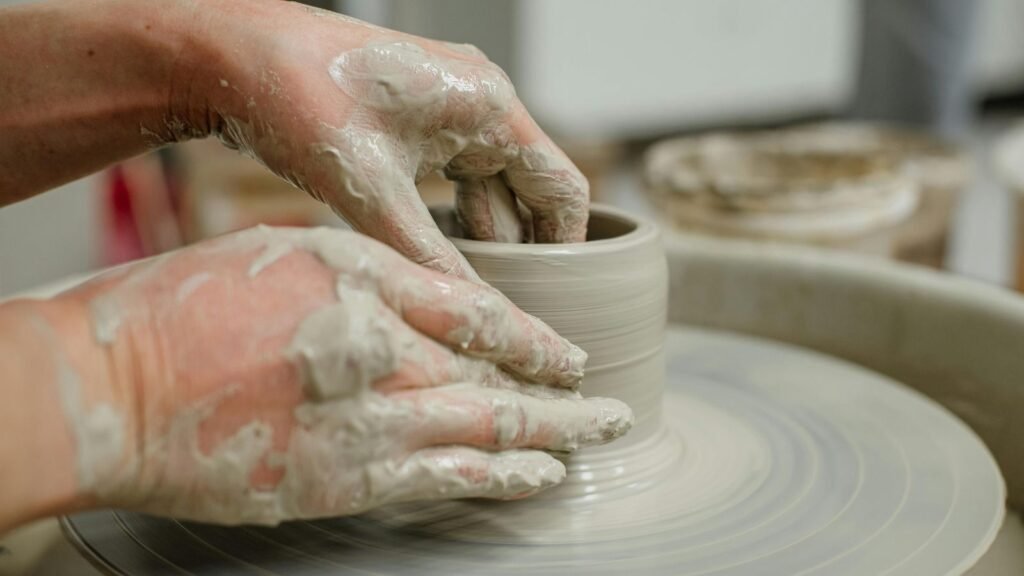
- Making glazed pottery.
- Shooting at firing ranges.
- Stained glass making.
What to do: If you can’t avoid these activities entirely, take precautions like wear protective equipment, change clothes afterward, and shower before interacting with family members to avoid lead exposure during pregnancy.
Nutrition to Protect Against Lead Absorption
Why Nutrition Matters?
Here’s something empowering: what you eat can help protect you and your baby from lead exposure during pregnancy.
“Calcium, iron, and vitamin C are thought to help limit the body’s absorption of lead.” CDC
When you’re malnourished, especially deficient in calcium or iron, your body absorbs more lead. The evidence for both calcium and iron is strong.
| Nutrient | Daily Target | Why It Helps? |
|---|---|---|
| Calcium | 1,200–2,000 mg through diet and supplementation. | Competes with lead for absorption; reduces bone lead release. |
| Iron | 30 mg through diet and/or supplements. | Competes with lead for absorption; prevents deficiency. |
| Vitamin C | 85 mg (standard prenatal recommendation). | Enhances iron absorption. |

What to Do If Your Blood Lead Level Is Elevated?
BLL ≥5 µg/dL
If your blood lead level is 5 μg/dL or higher during pregnancy, you need to identify and remove the source of exposure. Take actions as:
- Sources of lead exposure during pregnancy should be identified and you should receive counseling about avoiding further exposure.
- Finding and removing lead from your environment.
- Eating a diet high in iron and calcium.
- Schedule follow-up blood lead testing.
BLL ≥40 µg/dL: Chelation Therapy Considerations
“Chelation therapy is considered at blood lead levels greater than 40 micrograms/dL for symptomatic individuals, and levels greater than 70 micrograms/dL are considered a medical emergency.” ACOG
Important pregnancy considerations:
- Pregnant women with lead encephalopathy require urgent chelation.
- 2nd or 3rd trimester, BLL >45 µg/dL, no encephalopathy: Chelation is recommended.
- First trimester: Chelation is typically not recommended.
- As a life-saving measure, however, it may be necessary to chelate.
Working with Your Healthcare Team
“Seek advice from a clinical toxicologist or other medical practitioner with experience and expertise in the management of lead poisoning.” CDC
The main target for lead toxicity is the nervous system. Hospitalization may be needed to ensure a lead-safe environment.
Who Is Most at Risk And Why It Matters?
Disproportionate Impact
Lead poisoning isn’t just a medical issue, it’s an environmental justice issue.
- Women and children of color face disproportionately high blood lead levels.
- Immigrant communities face unique risks from imported products, traditional practices, and housing in older buildings.
- Black maternal health is disproportionately affected by lead poisoning due to systemic factors including housing quality and environmental racism.
What This Means for Prevention?
- Culturally competent screening and counseling are essential.
- Healthcare providers should ask about specific products and practices.
- Community-based interventions are often more effective than office-based screening alone.
If You’re an Immigrant or Refugee
Immigrant and refugee communities face unique and elevated risks for lead exposure during pregnancy. The CDC recommends lead toxicity screening for all pregnant and lactating women from high-risk populations.
Why the risk is higher:
- Imported products: Cosmetics like kohl, surma, and kajal; spices like turmeric; and traditional medicines may contain lead.
- Pica practices: In one NYC study, 97.7% of lead-poisoned pregnant women who reported pica were immigrants.
- Occupational exposures: Higher rates of work in construction, manufacturing, and recycling.
- Housing: Immigrant families are more likely to live in older, poorly maintained housing.
What to do:
- Tell your doctor about all products you use cosmetics, spices, medicines, and ceremonial powders.
- Talk about any cravings for non-food items like dirt, clay, or chalk.
- Ask for a blood lead test, don’t wait for your doctor to bring it up.
- Share this guide with family and community members.

Lead in Soil and Gardening
Lead can contaminate soil from:
- Legacy contamination: Mining, smelting, and battery recycling.
- Urban soil: Near older homes with lead paint.
- Gardening: Growing vegetables in contaminated soil.
Protect yourself:
- Cover bare soil with grass, mulch, or wood chips.
- Wash all vegetables thoroughly before eating.
- Wear gloves when gardening and wash hands afterward.
- Test your soil if you live near a known contamination source.
Frequently Asked Questions Related to Lead Exposure During Pregnancy
What is lead poisoning prevention during pregnancy?
It means taking proactive steps to identify and eliminate sources of lead exposure before they can harm you or your developing baby through risk assessment, blood testing when indicated, source removal, nutritional support, and working with your healthcare provider.
Can lead poisoning cause miscarriage?
Yes. Lead exposure during pregnancy increases the risk of miscarriage.
Can lead cross the placenta?
Yes. Lead readily crosses the placental barrier by passive diffusion.
Is there a safe level of lead during pregnancy?
No. There is no known safe level of lead exposure during pregnancy.
Should I get tested for lead during pregnancy?
Yes, if you have any risk factors. The CDC recommends testing for pregnant women with one or more risk factors.
What blood lead level is dangerous during pregnancy?
The CDC states pregnant women should not exceed 5 µg/dL. Even lower levels can affect fetal growth.
Can I breastfeed if I have lead in my blood?
Yes, if your BLL is below 40 µg/dL. If it’s 40 µg/dL or above, pump and discard milk until levels drop.
What foods help prevent lead absorption?
Foods rich in calcium, iron, and vitamin C.
What are the symptoms of lead poisoning in pregnancy?
Most people with elevated blood lead levels have no obvious symptoms, which is why lead poisoning is often called a “silent” threat. When symptoms do occur, they may include fatigue, abdominal pain, headaches, irritability, difficulty concentrating, and joint pain. The only way to know your lead level is through a blood test. If you have any risk factors, don’t wait for symptoms, ask your doctor for a test.
How do I find a certified lead inspector?
To find a licensed lead inspector or risk assessor:
1. Contact your local health department, they often maintain lists of certified professionals.
2. Search the EPA’s website for lead-safe certified firms.
3. Ask your healthcare provider for local recommendations.
4. Look for certifications from the EPA or state-level lead programs.
A certified inspector will use an XRF analyzer or collect paint chip samples to test for lead in your home.
Can lead exposure during pregnancy cause preeclampsia?
Emerging research suggests that lead exposure during pregnancy may be associated with increased risk of pregnancy-induced hypertension and preeclampsia. Studies have shown adverse effects of lead on pregnancy outcomes including low birth weight, preterm rupture of membranes, and pregnancy hypertension, even at levels once considered “acceptable”. More research is needed, but prevention is the best approach.
Final Thoughts: Lead Exposure During Pregnancy
You’ve made it through this guide and that tells me something important about you. You’re the kind of person who does their research. Who asks questions. Who fights for their baby before they’ve even met them.
Lead poisoning during pregnancy is scary. Here’s what we’ve learned:
- No level of lead is safe during pregnancy.
- Past exposures matter, lead stored in your bones can be released during pregnancy.
- Get tested if you have any risk factors.
- Prevention is possible, identify and remove sources, eat a nutrient-rich diet.
- Breastfeeding is encouraged if your BLL is below 40 μg/dL.
- The harmful impacts on health from lead exposure are entirely preventable.
Every exposure is preventable. Every single one.
Talk to your healthcare provider. Get tested if you have risk factors. Eat foods rich in calcium, iron, and vitamin C. Check your home. Check your products. And most importantly, don’t wait.
Your baby is counting on you. And you’ve got this.
If you find this article helpful, consider sharing it with another mom to be and drop in your comment or suggestion. Do read more helpful guides from this site: How to Reduce PFAS Exposure During Pregnancy, A Complete Month-by-Month Guide for Safe and Healthy Pregnancy.
Disclaimer
This article is for informational purposes only and does not constitute medical advice. Always consult with your healthcare provider about your specific health situation, including lead exposure risks and testing during pregnancy.


1 Response
[…] this article helped you? Read more helpful articles from this site: How to Protect Your Baby from Lead Exposure During Pregnancy, How to Reduce PFAS Exposure During Pregnancy to stay safe during your pregnancy journey. Drop in […]