RSV Vaccine During Pregnancy: Timing, Side Effects & Peace of Mind
You’re going fine and doing everything right, taking prenatal vitamins, going to every checkup, setting up a safe home environment. But there’s one question that might be quietly disturbing you, “How do I protect my baby from RSV before birth”?
RSV (Respiratory Syncytial Virus) is the leading cause of hospitalization in infants under six months. For a newborn, even a common cold can turn scary very fast. Why this happens? Your baby’s immune system isn’t ready to fight RSV alone, not even for months.
The RSV vaccine during pregnancy changes everything. One shot in your third trimester passes your antibodies directly to your baby through the placenta. In this guide, you’ll learn exactly when to get it, what side effects to expect, and why the CDC now recommends it for every pregnancy during RSV vaccine (Abrysvo) season.
What Is the RSV (Respiratory Syncytial Virus) Vaccine (Abrysvo) and How Does It Work?
How the Abrysvo Vaccine Works to Create Antibodies?
The only RSV vaccine currently approved for use during pregnancy is called Abrysvo (pronounced “a-bris-vo”). When you receive this RSV vaccine during pregnancy, your body starts making protective antibodies against the RSV virus, just like it would if you caught the real infection, but without getting sick.
These antibodies then cross the placenta into your baby’s bloodstream, a process known as “Passive Immunity”. Think of it as transferring your “army” to your newborn before he/she ever faces a battle.
Why the Shot is Different from an Infant Monoclonal Antibody?
Many parents confuse the maternal RSV vaccine with a separate product called nirsevimab (Beyfortus®), which is given directly to babies after birth. But both are different. You don’t need both. Most health experts prefer the maternal vaccine because it’s simpler: one prenatal appointment protects both of you.
Let’s have a look at the key difference:
- RSV vaccine during pregnancy: One shot for mom, protection starts before birth and lasts through baby’s first 6 months.
- Nirsevimab: An antibody shot for the baby after delivery, usually given in the first week of life.
Is the RSV Vaccine Safe During Pregnancy?
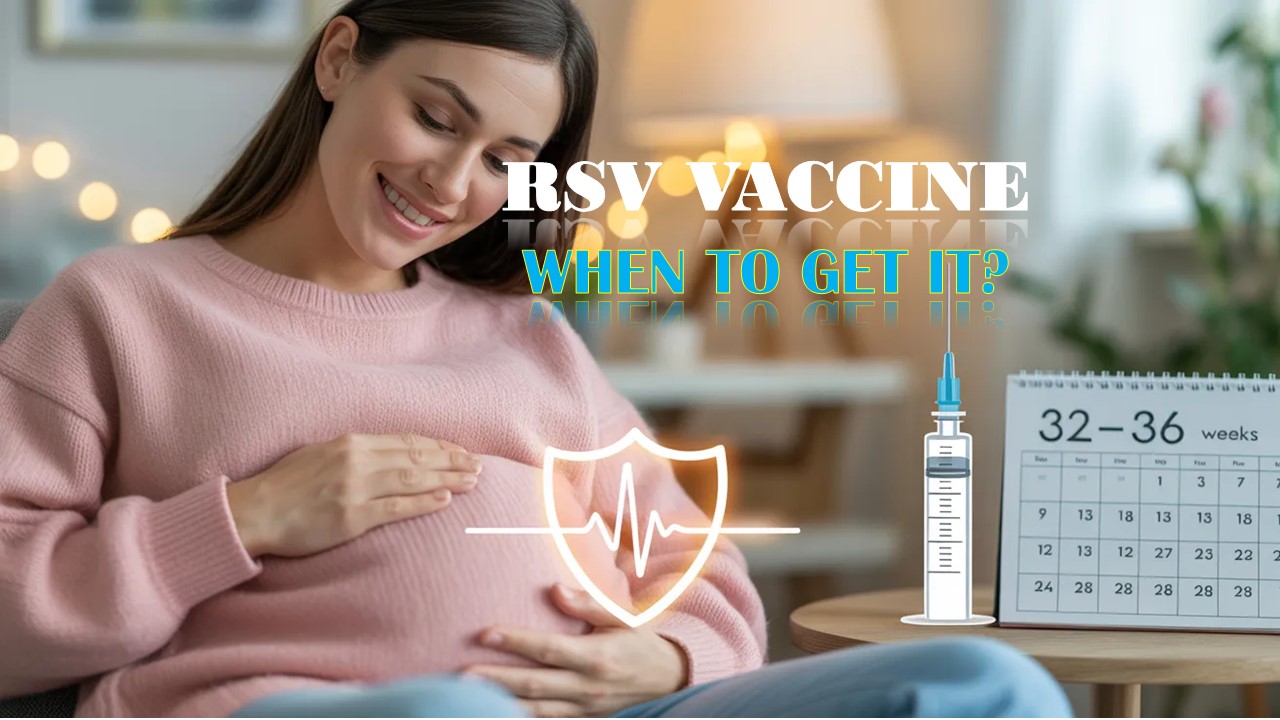
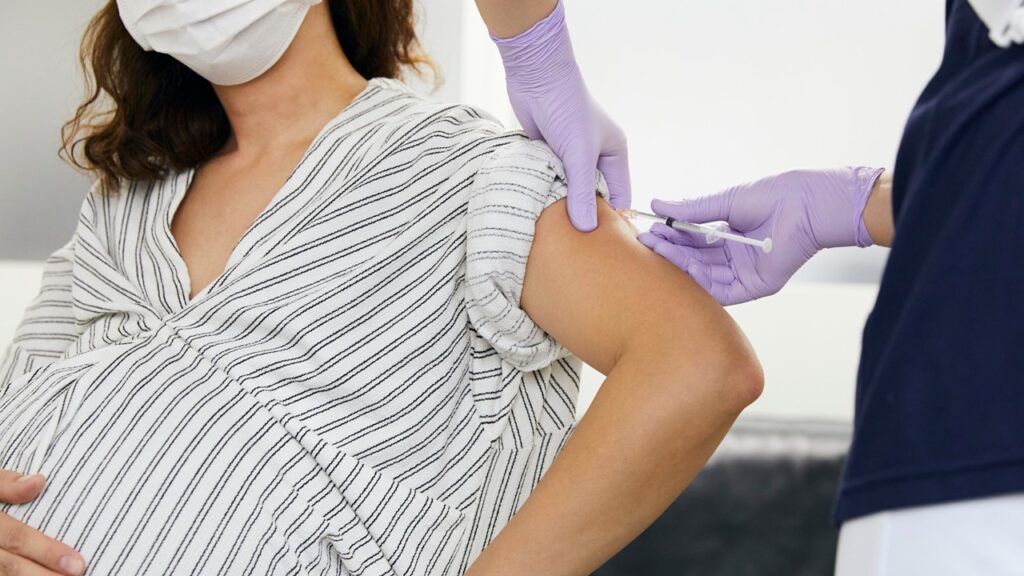
Yes, the RSV vaccine during pregnancy is safe for both mother and baby. Clinical trials and CDC data show no increased risk of preterm birth or serious side effects. The most common reactions are mild sore arm, fatigue, or headache lasting 1 to 2 days. The vaccine is recommended between 32 and 36 weeks of pregnancy to maximize antibody transfer to your baby.
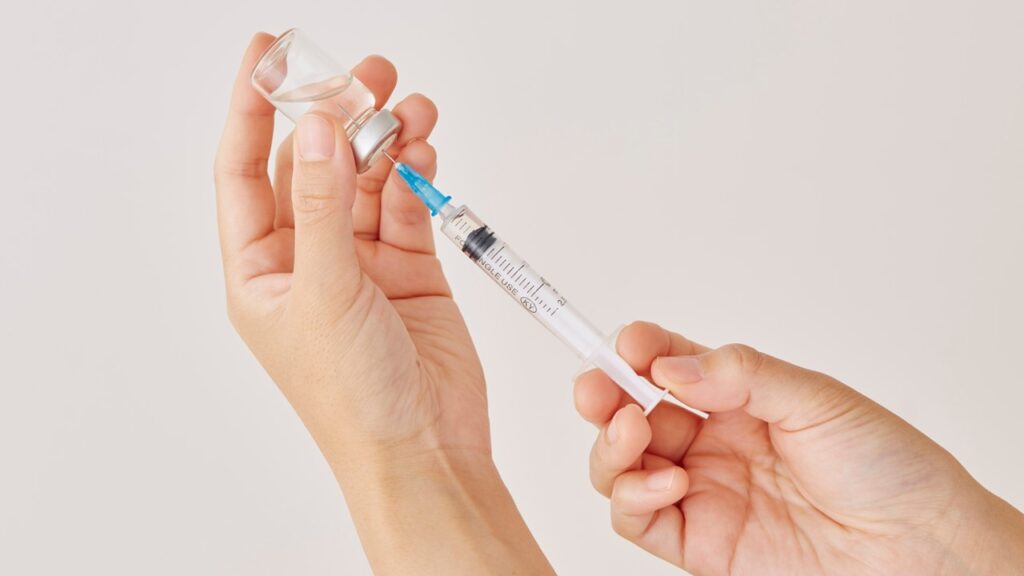
When to Get the RSV vaccine During Pregnancy: Week‑by‑Week Guide
The CDC and ACOG (American College of Obstetricians and Gynecologists) recommend getting the RSV vaccine during pregnancy between 32 weeks and 36 weeks, 6 days of gestation. Most women get the shot around their 34‑week appointment. It pairs well with routine checks.
Why this time matters?
- Too early (<32 weeks): antibody levels in baby may drop before RSV season ends.
- Too late (≥37 weeks): not enough time for antibodies to cross the placenta before delivery.
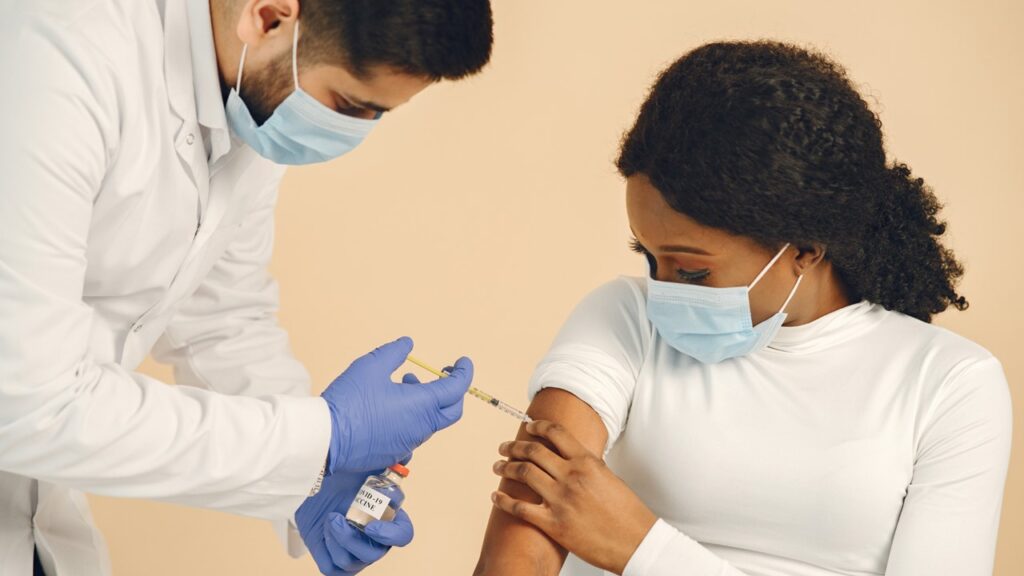
Why the RSV Vaccine Considered Safe for Baby During Pregnancy?
Large‑Scale Safety Studies on Preterm Birth Risk
Safety is every parent’s first question. Let’s look at the research studies.
A landmark clinical trial (the MATISSE study) followed over 7,000 pregnant women. Half received the RSV vaccine during pregnancy; half got a placebo. Results showed no statistically significant increase in preterm birth (premature delivery before 37 weeks). The preterm rate was 5.7% in the vaccine group vs. 4.7% in the placebo group, a difference that fell within expected chance variation.
Real‑World Data from The CDC’s V‑Safe Pregnancy Registry
After FDA approval in August 2023, the CDC launched a v‑safe pregnancy registry. Over 10,000 vaccinated pregnant women have reported their outcomes. The RSV vaccine during pregnancy is considered safe for both mom and baby. This is what early data (updated 2026) confirms:
- No new safety concerns.
- No increase in stillbirth or major birth defects.
- The small preterm signal from the trial has not been seen in real‑world use.
How the RSV Antibody Transfer Through Placenta Protects Your Newborn After Birth?
Passive Immunity: How Maternal Antibodies Cross the Placenta
Around week 30 of pregnancy, your body ramps up active transport of antibodies across the placenta. When you get the RSV vaccine during pregnancy through weeks 32 to 36, your antibody levels rise just in time for this transfer.
Studies show that vaccinated mothers pass 3 to 4 times more RSV antibodies to their babies compared to unvaccinated mothers who had a natural RSV infection in the past.
How Long Does Newborn Protection Last After Birth?
Your baby’s borrowed antibodies are high at time of birth and gradually decline. For the RSV vaccine during pregnancy, protection is strongest during the first 3 months of life, exactly when RSV is most dangerous. Significant protection lasts through 6 months.
That timeline covers an entire RSV season for most babies born in late fall or winter.
RSV Vaccine While Breastfeeding vs. During Pregnancy: Key Differences
Is the RSV Vaccine While Breastfeeding Safe for Milk Supply?
Yes, it is absolutely safe. The RSV vaccine while breastfeeding is considered safe, and it does not harm milk supply. However, it should be noted that antibodies from a breastfeeding mom are mostly IgA, they coat baby’s mouth and throat but don’t enter the bloodstream in large amounts.
That’s why the prenatal shot is superior. Only the RSV vaccine during pregnancy gives your baby systemic antibodies before birth.
Why the Pregnancy Dose is Preferred Over Postpartum Vaccination?
If you miss the vaccine during pregnancy, you can still get it while breastfeeding, but your baby won’t have the same level of protection. The CDC strongly recommends the RSV vaccine during pregnancy over postpartum vaccination whenever possible. It’s not too late until you deliver.
RSV Vaccine vs. Tdap During Pregnancy: Can You Get Both?
Timing Of Both Vaccines in the Same Pregnancy
You’ve probably already been offered the Tdap vaccine (for whooping cough) during pregnancy, usually between 27 and 36 weeks. Now the question is, “Can you get the RSV vaccine during pregnancy at the same appointment as Tdap?”
Short Answer, absolutely yes. Studies show no negative interaction. You may get one shot in each arm or two shots in the same arm (spaced an inch apart). Many clinics now package them: Tdap at 28 weeks, RSV at 32 to 34 weeks.
Do You Need RSV if You Already Got Tdap?
Tdap protects against pertussis (whooping cough). RSV is a different virus entirely. You need both to fully protect your newborn. Getting the RSV vaccine during pregnancy does not replace Tdap, and vice versa.
RSV Vaccine Third Trimester Safety: Mild Side Effects
Common Side Effects of RSV Vaccine
Most moms tolerate the shot very well. However, some may have side effects which usually last 1 to 2 days. The most common side effects of the RSV vaccine during pregnancy can be:
- Soreness, redness, or swelling at the injection site (about 1 in 2 people).
- Fatigue (1 in 4).
- Headache or muscle ache (1 in 5).
- Nausea or mild fever (less common).
When to Call Your OB/GYN After the RSV Vaccine Shot?
Remember, the vaccine shot cannot give you or your baby RSV. It just contains only a harmless piece of the virus (a protein). Serious allergic reactions are extremely rare (<1 in 100,000). Call your doctor if you experience:
- Hives or facial swelling.
- Difficulty breathing.
- Fever over 101°F (38.3°C) lasting more than 24 hours.
- Contractions or vaginal bleeding (unrelated to the vaccine, but always report).
CDC Recommendation for RSV Vaccine During Pregnancy 2026: Latest Research
Seasonal Vs. Year‑Round Recommendation
As of 2026, the CDC recommends the RSV vaccine during pregnancy for all women who are 32 to 36 weeks pregnant during September through January (the typical RSV season). If you live in a USA State with year‑round RSV (e.g., Florida, Hawaii), your doctor may recommend the shot at any time.
Shared Clinical Decision‑Making for Low‑Risk Pregnancies
For pregnancies with low risk of early delivery, the decision is shared between you and your doctor. But the data is so strong that most OBs now proactively offer it. Don’t wait to be asked, bring it up at your 30th week visit.

RSV Vaccine Cost Pregnant Insured & Uninsured
Under the Affordable Care Act, the RSV vaccine during pregnancy is covered as a preventive service with $0 copay for most private insurance plans, Medicaid, and Medicare. You should not receive a bill for the shot itself, though the administration fee may apply (usually at public health clinics).
Where to Find a Walk‑In Clinic for RSV Vaccine During Pregnancy?
Most pharmacies (CVS, Walgreens, Rite Aid) carry the RSV vaccine for pregnant moms, but they may require a prescription. The easiest way for you: get it at your OB’s office or a hospital‑affiliated maternal clinic. Some public health departments offer walk‑in appointments for uninsured patients.
You can also search online for maternal RSV vaccine clinic walk‑in + your city name. Or call your insurance’s nurse line.
FAQs Related to RSV Vaccine During Pregnancy
Q1: What are side effects of RSV vaccine during pregnancy?
Ans: Common side effects of the RSV vaccine during pregnancy are typically mild and similar to those of other vaccines, including pain at the injection site, headache, muscle pain, and nausea
Q2: Is RSV vaccine safe during pregnancy?
Ans: Yes, the RSV vaccine is safe during pregnancy, with clinical trials and CDC data confirming no increased risk of serious side effects for mother or baby when given between 32 to 36 weeks.
Q3: Is the RSV (respiratory syncytial virus) vaccine (Abrysvo) recommended during a second (subsequent) pregnancy?
Ans: No, a second dose of the Pfizer RSV vaccine (Abrysvo) is not currently recommended by the CDC or ACOG for a subsequent pregnancy; if you already received the RSV vaccine during a previous pregnancy, your infant should instead be given the long‑acting monoclonal antibody (nirsevimab/Beyfortus) after birth to protect him/her from severe RSV disease.
Q4: From where I can get RSV vaccine during pregnancy?
Ans: You can get the RSV vaccine during pregnancy from your obstetrician’s office, local pharmacies (like CVS or Walgreens), community health clinics, or your GP/maternity team, depending on your location and eligibility.
Q5: When to take RSV vaccine during pregnancy?
Ans: The RSV vaccine during pregnancy should be taken between 32 and 36 weeks of gestation.

Summary
Deciding on any vaccine during pregnancy can feel overwhelming. You want what’s best for your baby, and you also want health and safety for your own body. Here’s the truth that most doctors wish they could say more directly: The RSV vaccine during pregnancy is one of the few interventions that protects your baby before he/she take his/her first breath.
You’ve already done the hard work of your pregnancy journey. One quick shot in the arm, a few mild side effects at most, and then peace of mind. That’s a pretty good trade.
Talk to your OB today about getting the RSV vaccine during pregnancy, especially if you’re between 32 and 36 weeks.
If this article helped you, consider sharing it with another parent and do read our other informative articles Vitamin K shot for Newborns, Newborn Cord Care Guidelines and Newborn Jaundice. Stay connected for feedback & suggestions.
Disclaimer
This article is for informational purposes only and does not constitute medical advice. Always consult your healthcare provider before making any medical decisions during pregnancy.



Keep the good work! very helpful.