
Newborn Jaundice 2026: Don’t Panic, Get the Facts (A Parent’s Guide)
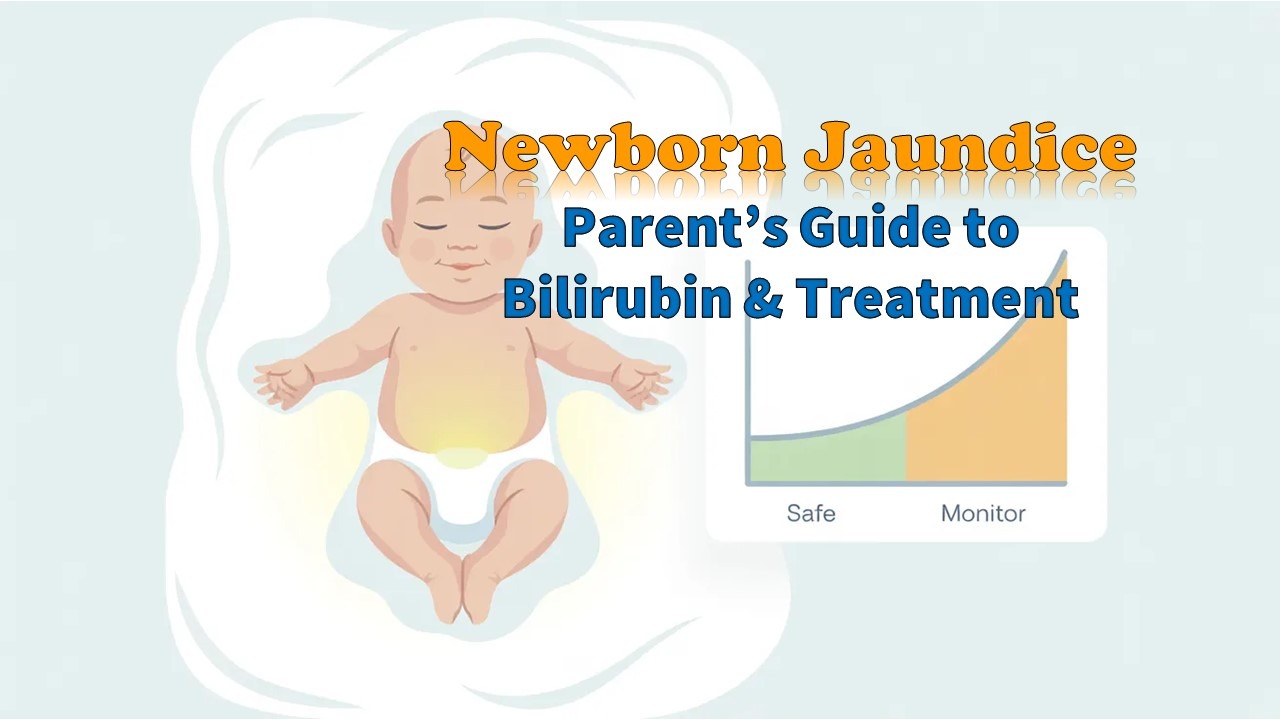
You look at your cute newborn, and something catches your eye. Their skin has a yellowish tint. Your heart skips a beat. Is this normal? Should you rush to the doctor, or can you wait until morning?
If this sounds familiar, you are not alone. Jaundice affects 60 to 80 percent of newborns in their first week of life. In most cases, it’s temporary, manageable, and resolves on its own. But sometimes, it signals something that needs immediate medical attention. New 2026 guidelines help doctors and parents strike the right balance, treating the babies who need treatment.
This guide walks you through everything you need to know about newborn jaundice in 2026: what causes it, when to worry, when to wait, and the latest treatment recommendations.

What Is Newborn Jaundice?
Newborn jaundice is a condition where a baby’s skin and eyes appear yellow due to a buildup of bilirubin. It is a yellow pigment produced when red blood cells break down. A newborn’s developing liver can’t always process bilirubin fast enough, causing it to accumulate in the blood.
After birth, your baby has extra red blood cells that are no longer needed. As those cells break down, bilirubin floods the system. The liver, still immature, works as fast as it can to filter and excrete it. For a few days, it’s playing catch‑up.
What Are Main Causes of Newborns Jaundice?
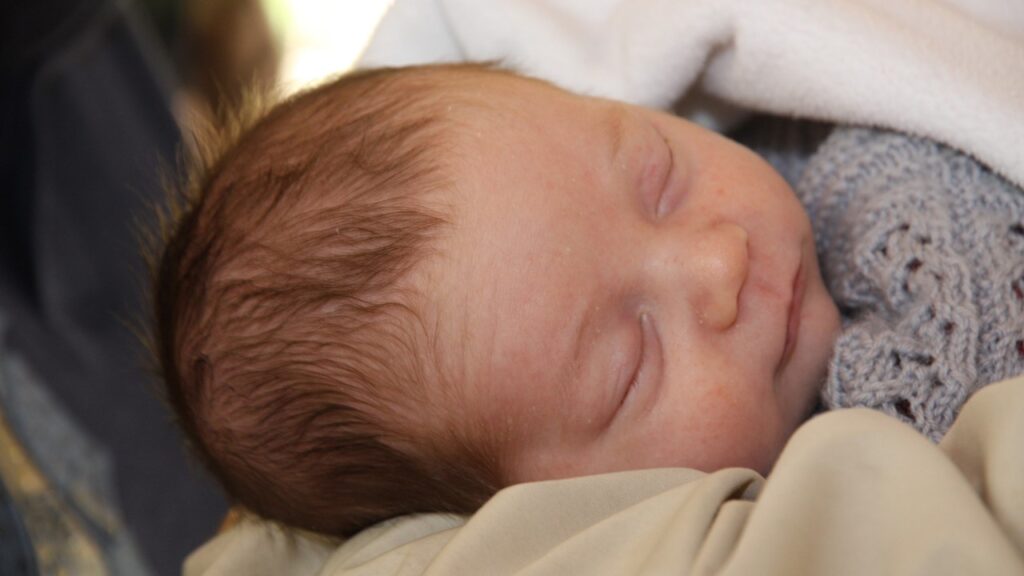
Several factors make newborns prone to jaundice. In most cases, this is a normal part of the transition to life outside the womb. But sometimes other factors, like blood type differences, infection, or certain genetic conditions can cause bilirubin to rise to dangerous levels.
Factors that can cause newborn jaundice are:
- More red blood cells: Newborns are born with extra red blood cells that break down rapidly after birth.
- Immature liver: The liver takes several days to become efficient at processing bilirubin.
- Slower elimination: Bilirubin leaves the body through stool. Babies who aren’t feeding well may clear it more slowly.
Normal Bilirubin Levels in Newborns by Age
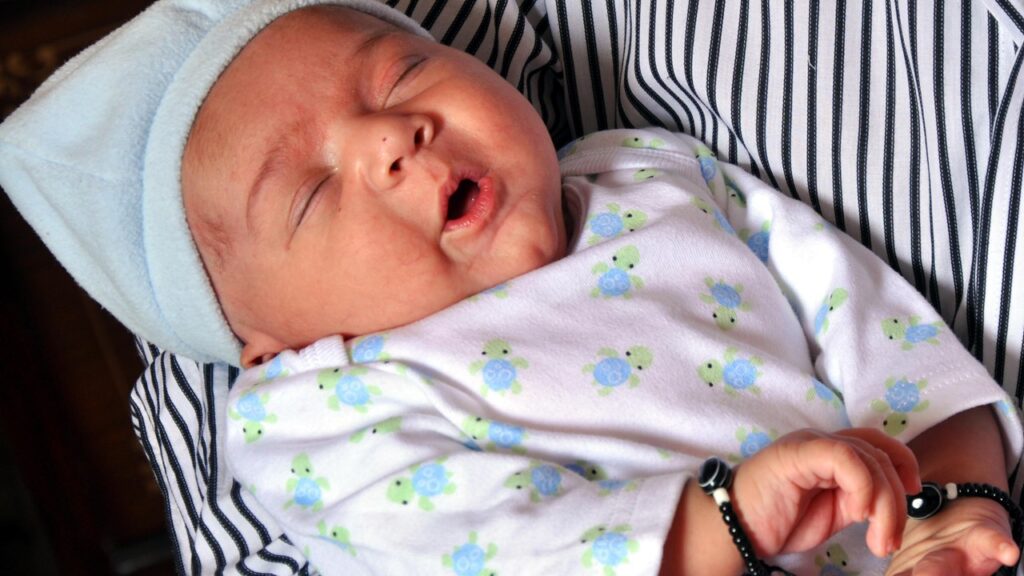
For a healthy, full‑term newborn (≥37 weeks), here are typical bilirubin ranges:
| Baby’s Age | Normal Bilirubin Level |
|---|---|
| 0–24 hours | Less than 6 mg/dL |
| 24–48 hours | Less than 10 mg/dL |
| 3–5 days (peak) | Up to 12–15 mg/dL |
| Day 7 | Declining, ideally below 10 mg/dL |
| Day 10–14 | Near normal levels |
For premature babies thresholds are lower, and treatment may begin at lower levels because their brains are more vulnerable.
How Is Newborn Jaundice Diagnosed?
Doctors use several tools to evaluate newborn jaundice:
Physical Examination for Newborn Jaundice
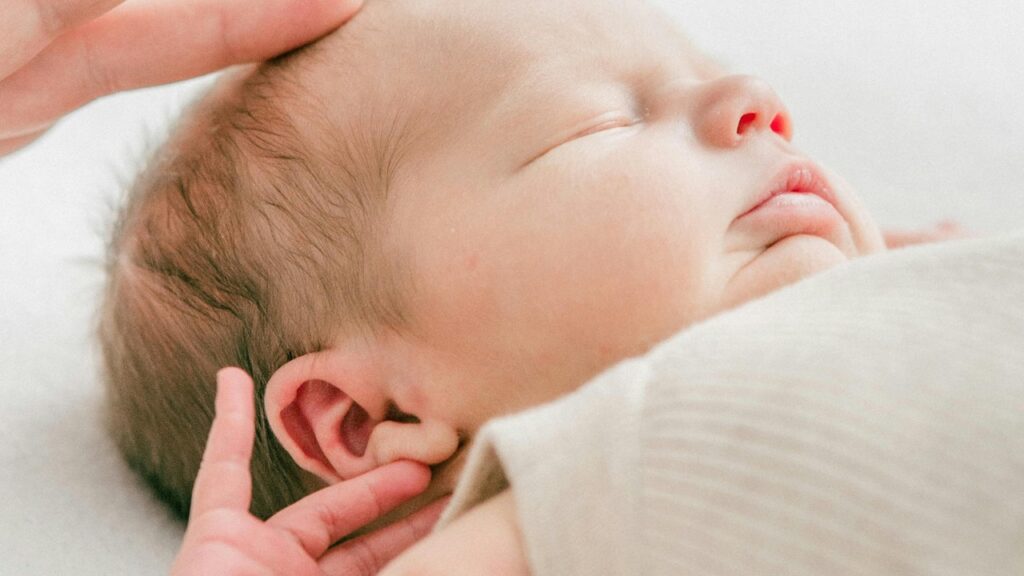
Your baby is examined in bright natural light. Yellowing typically starts on the face and moves downward as bilirubin rises.
Transcutaneous Bilirubinometer (TcB)
A painless handheld device placed on the forehead or chest provides an instant bilirubin reading. This is used for screening.
Total Serum Bilirubin (TSB) Blood Test
A small blood sample from the heel gives an exact measurement. This is the gold standard for determining treatment.
Risk Factor Assessment
Doctors also consider:
- Gestational age (premature babies are higher risk).
- Blood group incompatibility (Rh or ABO).
- Family history of jaundice or G6PD deficiency.
- Presence of bruising from birth.
- Feeding status and hydration.
When Is Newborn Jaundice Dangerous? Warning Signs to Watch For
This checklist is your quick reference. If any of these appear, seek medical care immediately.
When to Seek Immediate Medical Care
- Jaundice appears within the first 24 hours of birth, this is always pathological until proven otherwise.
- The yellow color spreads to the arms, legs, or palms/soles of feet.
- Your baby has a fever (temperature over 100.4°F / 38°C).
- Your baby is extremely lethargic, difficult to wake for feeds or shows no interest in feeding.
- Your baby has a high‑pitched cry or seems unusually irritable.
- Your baby has dark urine (newborn urine should be pale) or pale, chalky stools.
- Your baby feels very stiff (arms and legs held in fixed positions) or very floppy (limp arms or legs when awake).
- Your baby moves arms or legs in repetitive jerky or writhing movements.
When to Wait (But Monitor Closely)
If you’re ever in doubt, trust your instincts and call your pediatrician.
- Jaundice appears on day 2 or 3; this is normal physiological jaundice.
- Yellow color is limited to the face and chest (not spreading to limbs).
- Baby is feeding well (8 to 12 feeds per day) and having at least 6 wet diapers daily.
- Baby is alert when awake and has normal muscle tone.
- Jaundice is resolving by day 10 to 14 in term babies.

How Is Jaundice Treated in Newborns?
Newborn jaundice treatment depends on how high bilirubin is, the baby’s age, and whether risk factors are present.
Increased Feeding (The First Line)
For mild jaundice, the best treatment is frequent feeding. Aim for 8 to 12 feeds per 24 hours. Breast milk or formula helps:
- Keep the baby hydrated.
- Stimulate bowel movements (bilirubin exits through stool).
- Support liver function.
Phototherapy (Light Therapy)
When bilirubin levels exceed age‑specific thresholds, phototherapy is the standard treatment.
- Light Therapy: The baby is placed under special blue‑spectrum lights wearing only a diaper and eye protection.
- How it works: The light changes bilirubin into a form the baby can excrete in urine and stool.
- Duration: Often 24 to 48 hours, with breaks for feeding.
- Home phototherapy: Available for eligible babies with close follow‑up.
Phototherapy Thresholds (2026 AAP Guidelines)
| Age (hours) | Low Risk (≥38 wk, no risk factors) | Medium Risk (≥38 wk with risk factors OR 35‑37 wk without) | High Risk (35‑37 wk with risk factors) |
|---|---|---|---|
| 24 hours | >12 mg/dL | ≥10 mg/dL | ≥8 mg/dL |
| 48 hours | >15 mg/dL | ≥13 mg/dL | ≥11 mg/dL |
| 72 hours | >18 mg/dL | ≥15 mg/dL | ≥13.5 mg/dL |
Common risk factors include temperature instability, sepsis, acidosis, or low albumin.
Exchange Transfusion (Rare)
For dangerously high bilirubin levels that don’t respond to phototherapy, an exchange transfusion replaces the baby’s blood with donor blood to rapidly lower bilirubin. This is reserved for severe cases for the treatment of newborn jaundice and is extremely rare.
Exchange Transfusion Thresholds
| Age (hours) | Low Risk | Medium Risk | High Risk |
|---|---|---|---|
| 24 hours | >19 mg/dL | >16.5 mg/dL | >15 mg/dL |
| 48 hours | >22 mg/dL | >19 mg/dL | >17 mg/dL |
| 72 hours | >24 mg/dL | >21 mg/dL | >18.5 mg/dL |
How to Treat Newborn Jaundice at Home?
Do At Home:
- Feed frequently: Every 2 to 3 hours, aiming for 8 to 12 feeds in 24 hours.
- Monitor wet diapers: At least 6 wet diapers daily indicate good hydration.
- Keep baby in indirect natural light during awake periods (but never direct sunlight, which can cause sunburn and overheating).
- Track the spread of yellow color: Take photos in natural light to compare day to day.
- Keep all follow‑up appointments for bilirubin checks.
Avoid These At Home:
- Never place baby in direct sunlight as a treatment for the treatment of newborn jaundice. It’s ineffective and dangerous.
- Don’t stop breastfeeding. Breast milk jaundice is harmless and resolves on its own.
- Don’t give water or sugar water. This can interfere with feeding and doesn’t help clear bilirubin.
- Don’t ignore warning signs hoping jaundice will resolve on its own.
Frequently Asked Questions About Newborn Jaundice
Q1: How many days does jaundice last in newborns?
Ans: In healthy full‑term babies, jaundice usually appears on day 2 to 3, peaks around day 3 to 5, and resolves by day 10 to 14. Premature babies may take 2 to 3 weeks.
Q2: Can breastfeeding cause jaundice?
Ans: Yes, in two ways. Breastfeeding jaundice occurs in the first few days when the baby isn’t feeding well, leading to dehydration and slower bilirubin clearance. Breast milk jaundice appears after day 7 and is caused by substances in breast milk that slow bilirubin processing. It is harmless and resolves on its own.
Q3: Should I stop breastfeeding if my baby has jaundice?
Ans: No. Continue breastfeeding. For breastfeeding jaundice, increase feeding frequency. For breast milk jaundice, the condition is harmless and stopping breastfeeding is not recommended.
Q4: Is sunlight good for newborn jaundice?
Ans: Indirect natural light for newborn jaundice may have mild benefit, but direct sunlight is not recommended. It can cause sunburn, overheating, and does not provide controlled treatment. Phototherapy uses specific blue‑spectrum lights that are safe and effective.
Q5: What is kernicterus?
Ans: Kernicterus is a rare but serious form of brain damage caused by extremely high bilirubin levels. It can result in cerebral palsy, hearing loss, and vision problems. This is why monitoring and treating significant jaundice is critical.
Q6: Can jaundice in newborns cause long‑term problems?
Ans: When properly monitored and treated, jaundice rarely causes long‑term problems. The goal of screening and treatment is to prevent bilirubin from reaching levels that could cause kernicterus.
Q7: When should I take my baby to the ER for jaundice?
Ans: Go to the ER immediately if your baby: has jaundice within the first 24 hours, has a fever, is extremely difficult to wake, has a high‑pitched cry, is arching their back, has pale stools, or shows signs of stiffness or floppiness.
Q8: What is blue light therapy for newborn jaundice?
Ans: Blue light therapy, also known as phototherapy, treats newborn jaundice by using a special blue light to break down the excess bilirubin in the baby’s skin so it can be easily excreted from the body.
Q9: How to avoid jaundice in newborn babies during pregnancy?
Ans: While you can’t completely prevent newborn jaundice, you can reduce its severity through proper prenatal care, managing blood type incompatibility with your doctor, maintaining a healthy lifestyle, and ensuring your baby feeds frequently after birth.
Q10: What are signs of recovery from jaundice in newborns?
Ans: Jaundice recovery signs include yellow color fading from the feet upward, normal feeding, alertness, and increasing numbers of wet diapers.
Summary
Jaundice affects most newborns, and in the vast majority of cases, it’s temporary and harmless. The 2026 guidelines emphasize careful monitoring, higher thresholds for intervention, and supporting breastfeeding while ensuring babies who need treatment receive it promptly.
Key Points for Parents:
- Know the difference between normal physiological jaundice and warning signs.
- Feed frequently: 8 to 12 times daily in the first week.
- Monitor wet diapers and the spread of yellow color.
- Trust your instincts: If something feels wrong, call your pediatrician.
- Keep all follow‑up appointments for bilirubin checks.
If you’re ever unsure about your baby’s symptoms, don’t wait. Contact your pediatrician or midwife. Early intervention makes all the difference.
If this article helped you, share it with another parent/guardian. Do read Newborn Care Immediately After Birth, Safe Home Setup for Newborns & Introducing Pets to Newborn Safely.
Disclaimer
This article is for informational purposes only and does not constitute medical advice. Always consult with your healthcare provider regarding any medical decisions for your child.
2 Responses
[…] read our other informative articles Vitamin K shot for Newborns, Newborn Cord Care Guidelines and Newborn Jaundice. Stay connected for more and drop your feedback […]
[…] read more helpful articles from this site, Newborn Care Immediately After Birth, Newborn Cord Care, Newborn Jaundice and stay connected for […]