
10 Newborn Sleep Safety Mistakes & How to Avoid Them (2026 Guide)
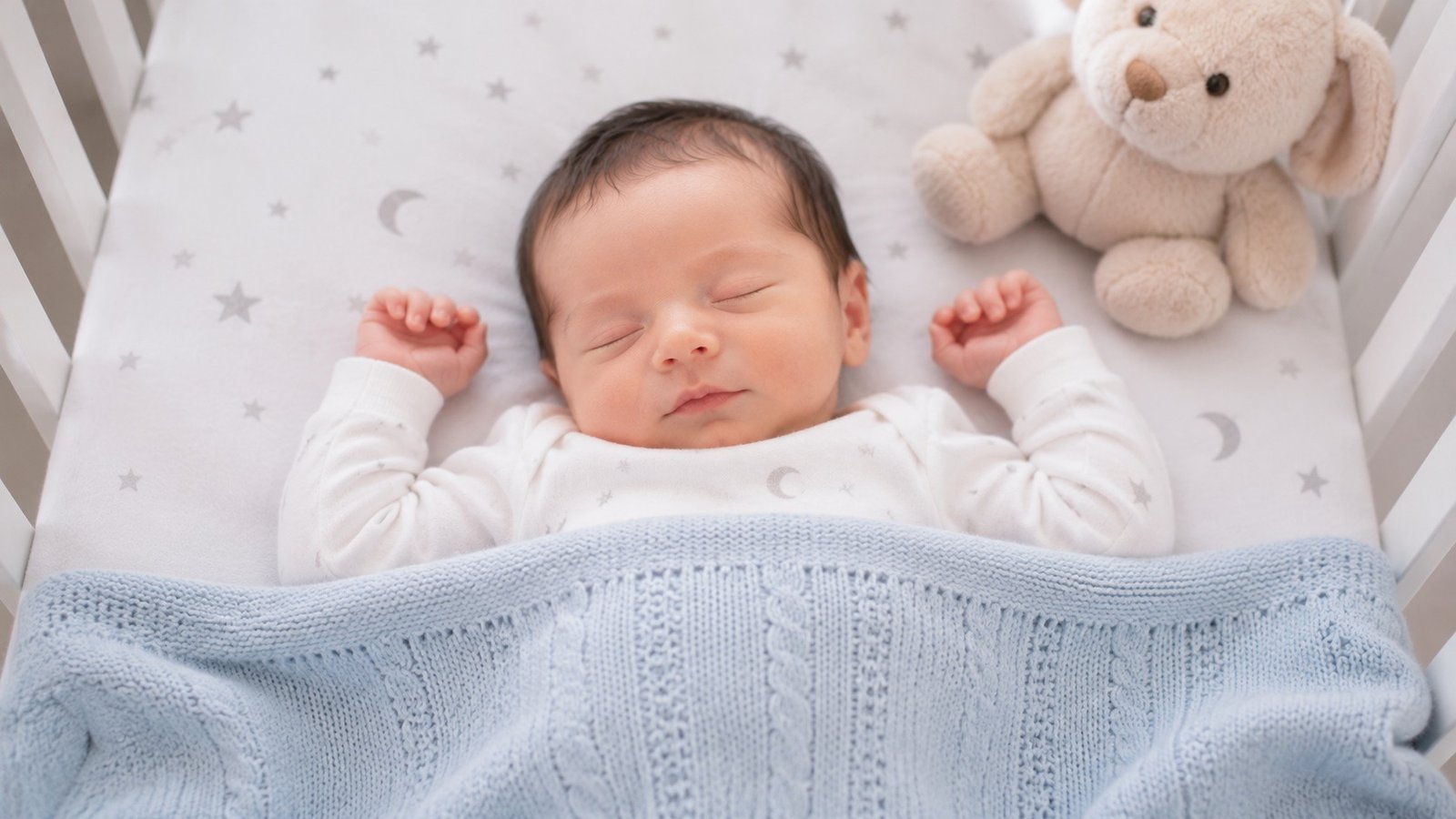
Bringing your newborn home is a feeling like no other. Amidst the joy, the exhaustion, and the endless love, a quiet worry often settles in, especially when it’s time for sleep.
You might have found yourself standing over your baby’s bassinet at 2 AM, watching closely to see if his/her chest is rising and falling. Caring for newborn sleep safety is a powerful love, matched only by the fear of doing something wrong.
Creating a safe sleep environment for your baby is simpler than you think. Following a few, clear, evidence-based guidelines can dramatically reduce the risk of “Sudden Infant Death Syndrome” (SIDS) and other sleep-related dangers.
Newborn Sleep Safety Checklist (AAP’s ABCs)
When you feel overwhelmed, just remember your ABCs. The American Academy of Pediatrics (AAP) recommends that infants sleep “Alone”, on their “Back”, in a “Crib” (or other safe sleep surface) to reduce the risk of SIDS and suffocation.
Here is newborn sleep safety looks like in your daily routine:
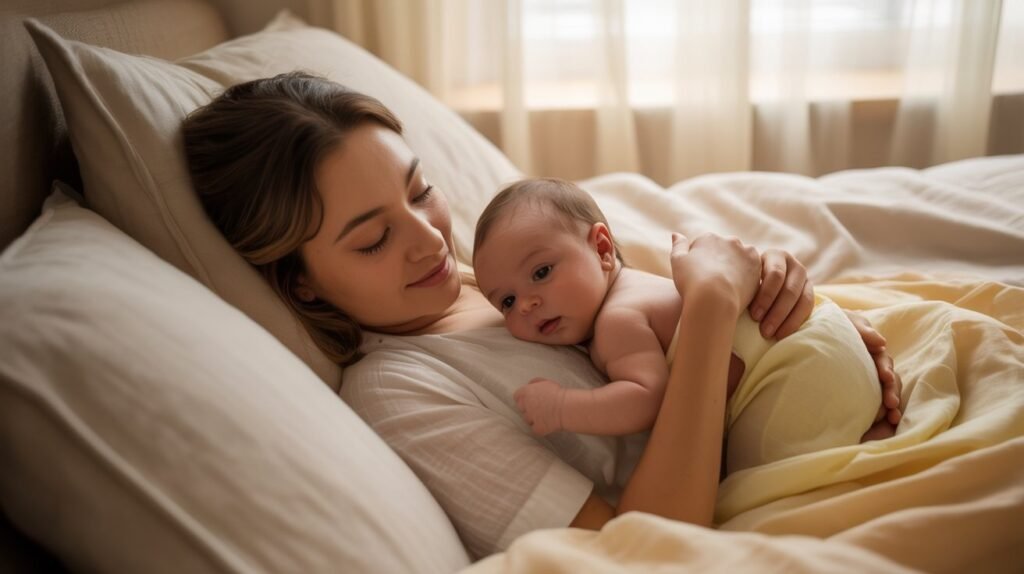
- Alone in his/her own sleep space. Room-sharing is recommended for the first 6 months; it can reduce the risk of SIDS by as much as 50%. Bed-sharing is not recommended.
- Always on his/her “Back” for every sleep, including naps.
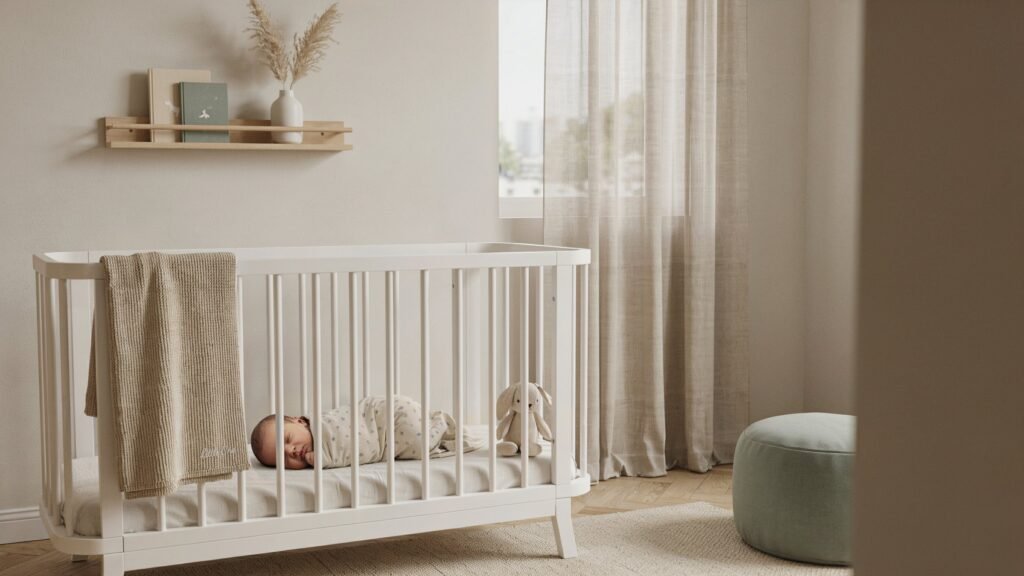
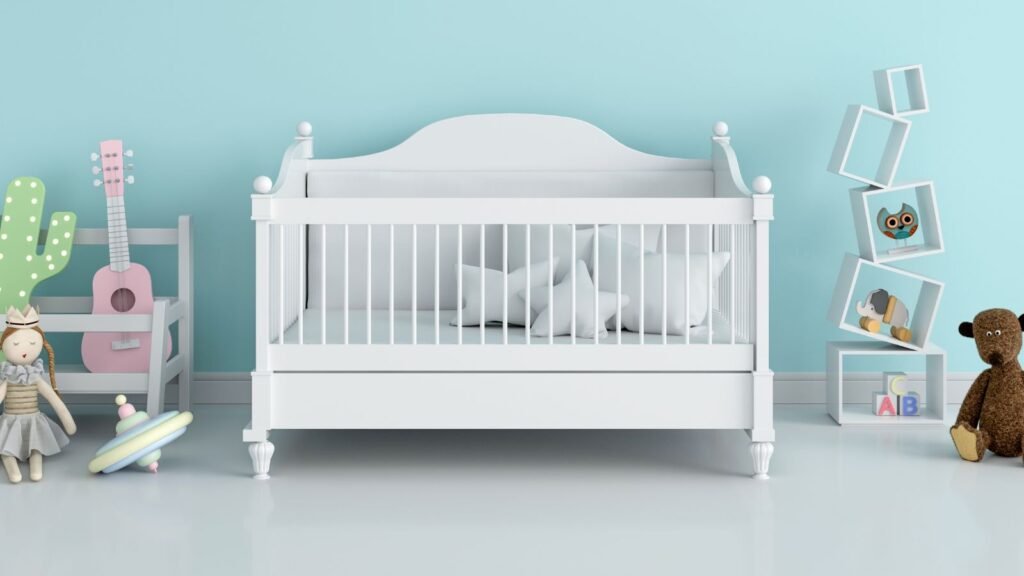
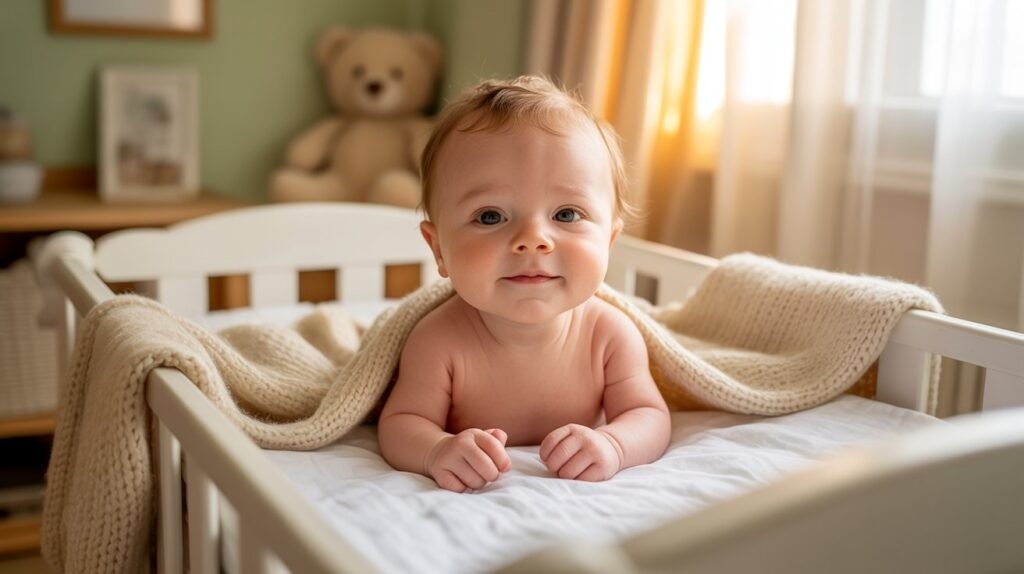
- In a Crib (or bassinet/play yard) with a firm, flat mattress and a fitted sheet. No pillows, blankets, bumpers, or stuffed animals. The crib should be completely empty.
Why Newborn Baby’s Safe Sleep Matters?
According to the American Academy of Pediatrics (AAP), approximately 3,500 babies in the United States die suddenly and unexpectedly each year while sleeping due to SIDS or accidental suffocation.
These numbers are scary, but here is the vital truth: almost 20% of these tragic sleep-related deaths could be prevented if all families followed a newborn sleep safety environment every time their baby goes down to sleep.
10 Most Common & Dangerous Newborn Sleep Mistakes
While SIDS is the leading cause of death for babies between one month and one year old, the risk peaks between 2 and 4 months of age. However, the ABCs aren’t just rules for the first few months, they are the gold standards for your baby’s entire first year.
We know you want to do everything right. But as a new parent, you will likely hear outdated or unsafe advice from close family members and friends. In this guide, we will break down the 10 most common newborn sleep safety mistakes that parents usually make, so you can confidently avoid them and protect your little one.
Mistake #1: Using a Soft or Pillow-Top Crib Mattress
You want your baby to be cozy. A soft mattress feels lovely to you, but for newborn sleep safety, it’s dangerous. Invest in a certified safest crib mattress for newborn 2026 that meets Consumer Product Safety Commission (CPSC) standards. Skip mattress toppers, memory foam, or anything labeled “plush.”
Why a Firm & Flat Surface is the Safest Crib Mattress for a Newborn in 2026?
A firm mattress keeps your baby’s airway open. If their face presses into a soft surface, they can rebreathe their own exhaled carbon dioxide or suffocate. The AAP explicitly states that only a firm, flat, and well-fitting mattress should be used for newborn sleep safety.
How to Test If Your Crib Mattress Meets CPSC Standards?
Try the easiest “hand press” test. Press your hand firmly into the mattress. It should leave no indentation. Then check the fit, you shouldn’t be able to fit more than two fingers between the mattress and the crib wall.

Mistake #2: Letting Baby Sleep in a Bedside Bassinet Incorrectly
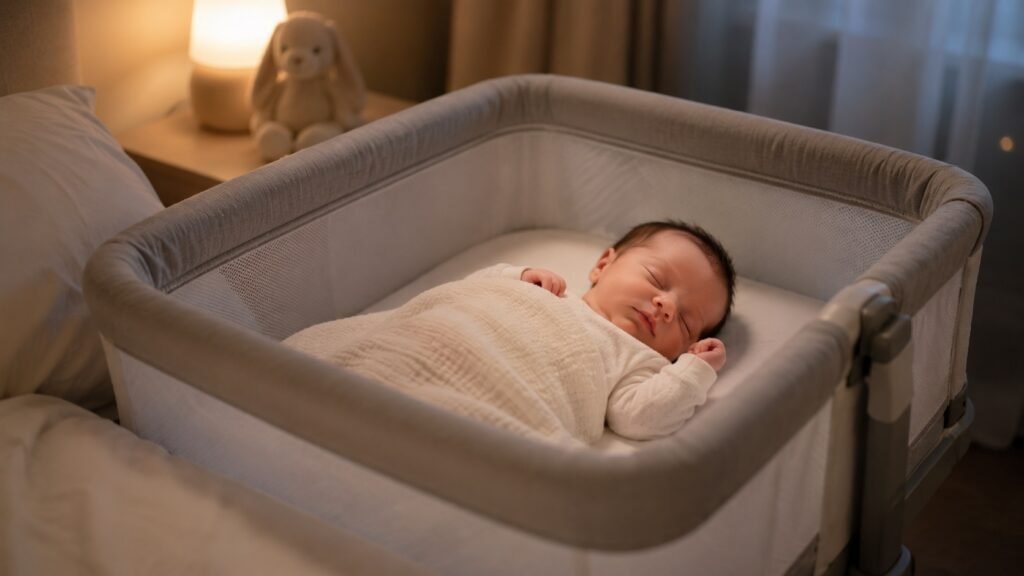
Bedside bassinets are wonderful for room-sharing for newborn sleep safety. But they can become dangerous if not used properly. If your bedside bassinet has a dropdown side, never leave it down unless you are actively attending to the baby. Always raise it fully before you sleep.
Is a Bedside Bassinet Safe for Newborn?
A bedside bassinet is safe when it’s a separate, freestanding sleep space that attaches securely to your adult bed. The baby should be in their own contained area, not sharing your mattress.
3 Safety Checks Before Every Newborn Sleep
- Attachment: Ensure the bassinet is locked flush against your bed with no gaps.
- Gaps: Run your hand along the connection. If you feel any space, a baby’s face or limb could get trapped.
- Incline: The sleep surface must be completely flat (not inclined for “reflux” or “colic”). Inclined sleepers are banned in the US due to suffocation risks.
Mistake #3: Swaddling Past the Appropriate Age
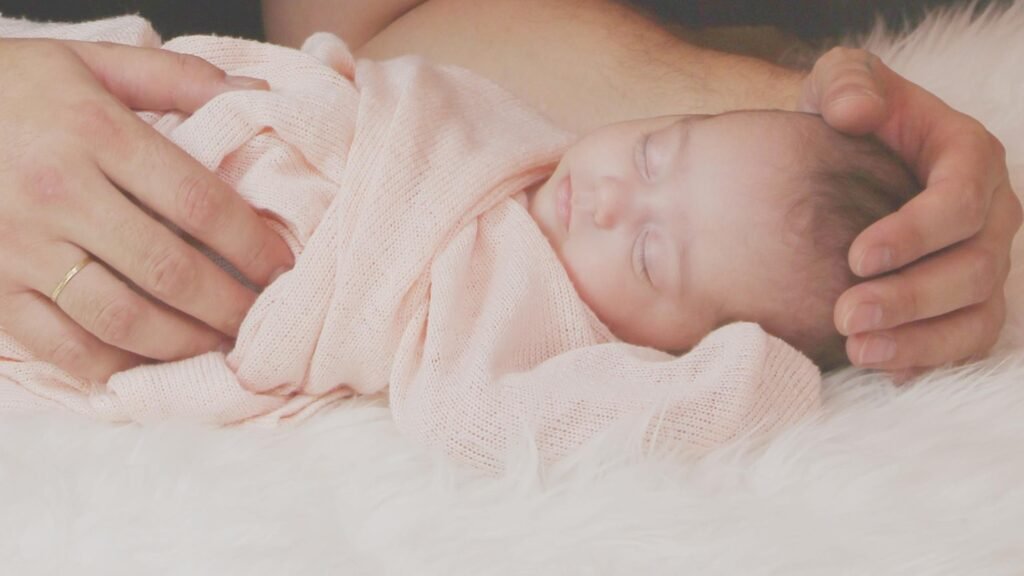
Swaddling is a magical tool for calming newborns. But keeping those arms wrapped too long can become a hazard. When in doubt, stop swaddling. A freer baby is a safer baby.
When to Stop Swaddling: Newborn Safety Guidelines
You should stop swaddling as soon as your baby shows any signs of trying to roll over, usually between 2 and 4 months. This can include lifting their head, rocking side-to-side, or actually rolling. A swaddled baby who rolls onto their tummy cannot use their arms to push up and breathe.
Best Transition Products: Sleep Sacks Vs. Swaddle Wraps
- Sleep sacks (wearable blankets) are safe once your baby is rolling. They keep baby warm without loose fabric.
- Transition swaddles allow you to leave one or both arms out.
- Zip-up sleep sacks with armholes are a great long-term solution.
Mistake #4: Adding Blankets to Keep Baby Warm
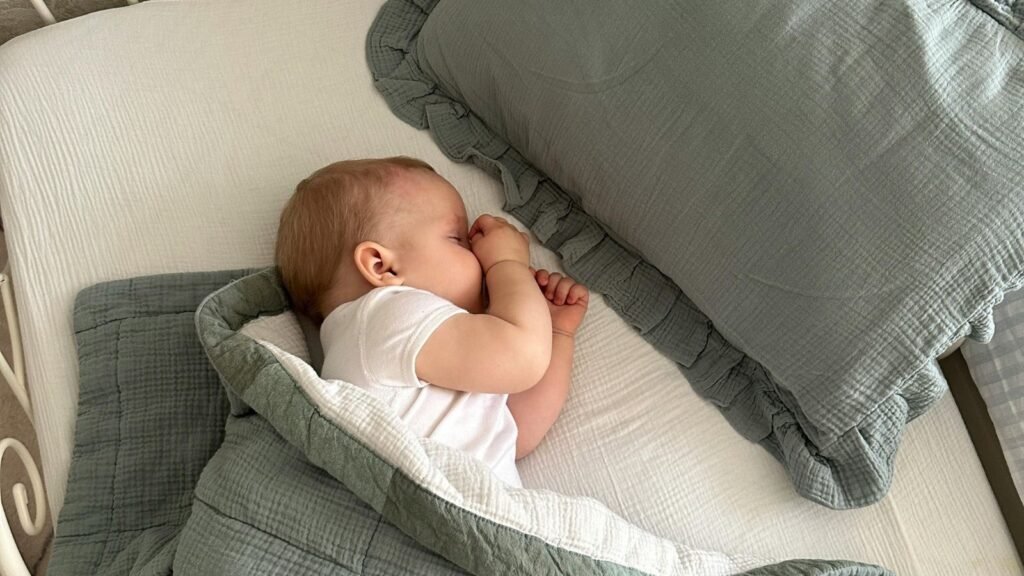
You’re cold, so your baby must be cold, right? Not exactly. Overheating and loose blankets are major SIDS risk factors. Use one more layer than you are comfortable wearing for the newborn baby. If you’re in a T-shirt, your baby might need a onesie + sleep sack.
How to Keep Newborn Warm Without Blanket?
A wearable blanket (sleep sack) is the only safe alternative to loose bedding for newborn sleep safety. Choose one with the right TOG rating for your room temperature:
- 0.5 TOG: Warm weather (75°F+)
- 1.0 TOG: Moderate (69–74°F)
- 2.5 TOG: Cool (61–68°F)
What TOG Rating Means for Newborn Sleep Safety?
TOG measures thermal insulation. A higher TOG means more warmth. Never double-layer sleep sacks or add a blanket on top to ensure newborn sleep safety. Dress your baby in a single layer plus the sleep sack. Check their back or chest (not hands or feet) to see if they feel warm.
Mistake #5: Placing Baby on Their Side or Tummy for Sleep
“My baby sleeps better on their side.” “My grandmother said tummy sleeping prevents choking.” These are the myths that can be dangerous. If baby can only roll one way, gently roll him/her back when you notice. Practice supervised tummy time during the day to strengthen baby’s muscles.
Why Back Sleeping is the Only Safe Position (AAP 2026 Update)
Since the “Back to Sleep” campaign began in 1994, SIDS rates have dropped by over 50%. Babies who sleep on their back are far less likely to suffocate or overheat. The AAP’s 2022 and 2026 updates continue to emphasize: back sleeping for every sleep until age 1.
What to Do If Your Baby Rolls Over During Sleep?
If your baby can roll both ways consistently (back to tummy and tummy to back), you don’t need to reposition them onto their back. But always start every sleep on their back. Stop swaddling as soon as they show rolling attempts.
Mistake #6: Using Crib Bumpers, Positioners, or Loose Bedding
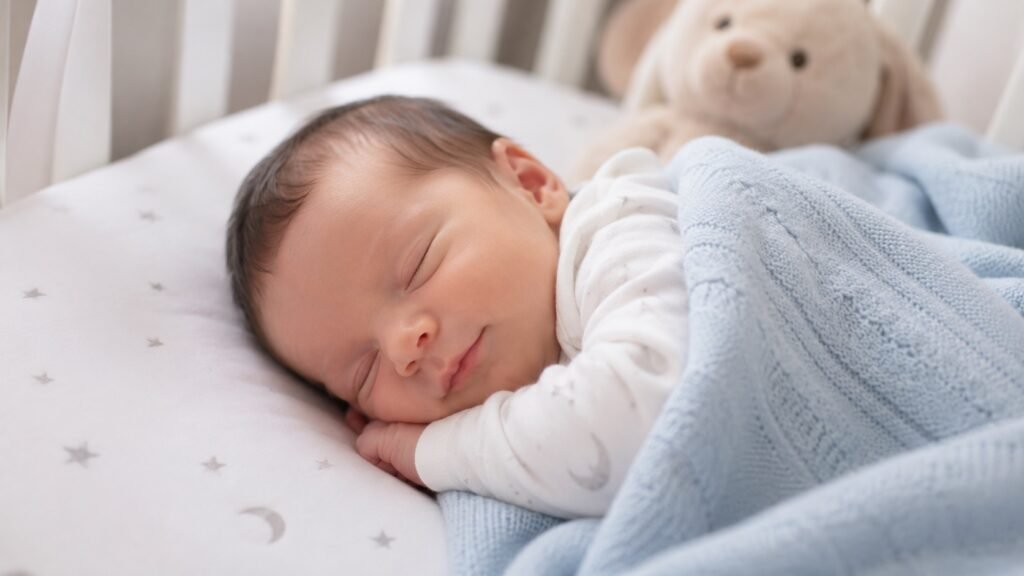
A decorated crib looks adorable in photos. But every extra item increases risk for newborn sleep safety. Empty crib is “safe crib”.
Hidden Suffocation Risks New Parents Must Overlook
- Crib bumpers (even “breathable” mesh ones) can cause strangulation, entrapment, or suffocation. They are banned in many states and by the AAP.
- Nursing pillows, boppy loungers, and infant positioners are not sleep surfaces. Babies have died sleeping on them.
- Stuffed animals and blankets can cover a baby’s face.
The Only 3 Things in a Newborn’s Sleep Space
- A firm, flat mattress.
- A fitted sheet (tight, no wrinkles).
- Your baby (wearing a sleep sack if needed).

Mistake #7: Ignoring Room Temperature and Overheating
Overheating is a silent SIDS risk factor. Many parents unknowingly dress their baby too warmly.
Signs of Overheating and How to Dress Your Newborn for Safe Sleep
Dress your newborn in base layer (onesie) + sleep sack. In warmer months, to ensure newborn sleep safety, just a diaper + low-TOG sleep sack. Avoid hats indoors. Babies release heat through their heads. Signs include:
- Sweaty or damp hair.
- Heat rash.
- Rapid breathing.
- Flushed skin.
- Feeling hot to the touch (chest or back).
Best Room Temperature Range for Newborn Sleep Safety
Keep your baby’s room 68–72°F (20–22°C). Use a standalone room thermometer, not just your home thermostat. If your room runs hot, use a fan (indirectly) to circulate air, studies show fans may lower SIDS risk.

Mistake #8: Falling Asleep With Baby on a Sofa or Recliner
You’re exhausted. It’s 3 AM. You sit down in a comfy recliner to nurse. And next thing you know, you’ve drifted off. This is extremely dangerous.
Why Couches and Armchairs are More Dangerous than a Bed?
Sleeping with a baby on a sofa or recliner increases the risk of SIDS and suffocation by up to 67 times. Soft cushions, crevices, and the risk of the baby sliding into a side or face-down position make these surfaces deadly.
Safe Alternative: How to Prepare for Nighttime Feedings to Avoid Drowsiness?
It’s much better to ask your partner/family member or a support person to stay awake with you during late-night feeds. For nighttime:
- Set up your nursery chair only for awake feedings. Once drowsy, move to a safe sleep space.
- If you feel sleepy, put the baby back in their bassinet even if they fuss. You can try again in 5 to10 minutes.
- For extremely tired nights, feed the baby while lying on a firm mattress (no loose bedding) with your arm around them, then roll them back into a bedside bassinet. But never fall asleep on a sofa to ensure newborn sleep safety.

Mistake #9: Moving Baby to Their Own Room Too Early
Sometimes parents think, “My baby is sleeping better alone.” But early room separation has risks.
AAP’s Recommendation for Room Sharing (First 6 to12 Months)
The AAP recommends room-sharing without bed-sharing for at least the first 6 months, ideally 12. Having your baby sleep within arm’s reach (in a separate safe sleep space) reduces SIDS risk by up to 50%.
When is a Bedside Bassinet Safer than a Separate Nursery?
A bedside bassinet allows you to hear every change in breathing, so that you respond quickly, and avoid deep sleep that could lead to dangerous drowsiness. If you need to move your baby earlier (under 6 months), do so gradually and ensure their crib meets all safety standards.
If room-sharing is causing you to fall asleep unsafely (e.g., on a couch or bed with pillows), a separate safe crib in a nearby room may be safer than an unsafe co-sleeping accident. But aim to keep your baby close.
Mistake #10: Not Having a Consistent Safe Sleep Routine
Sleep safety isn’t just about the crib. It’s about every single sleep or naps.
A Simple 5-Step Newborn Bedtime Routine that Reduces SIDS Risk
- Feed: A full tummy helps baby sleep longer.
- Burp & diaper change: Prevents discomfort.
- Dress for room temperature: Sleep sack + appropriate base layer.
- Place on back in a safe empty crib.
- Offer a pacifier: Pacifier use during sleep reduces SIDS risk (even if it falls out after).
Newborn Safe Sleep Products Recommended for 2026
You don’t need expensive products for your newborn sleep safety, just the right features.
Safest Crib Mattress for Newborn 2026
- Firmness: Leave no hand indentation.
- Fit: Two-finger test around the crib.
- Materials: Look for GREENGUARD Gold certification (low VOCs). Dual-sided (infant/toddler) is fine.
- Avoid: Memory foam, pillow-top, or “organic” soft toppers.
FAQs: Newborn Sleep Safety Mistakes & How to Avoid Them
Can my newborn sleep in a bassinet next to my bed?
Yes, absolutely. A separate bedside bassinet that meets CPSC standards is the safest place for your newborn to sleep, as long as it’s flat, firm, and free of gaps. This allows room-sharing without bed-sharing.
When is it safe to stop swaddling my baby?
Stop swaddling as soon as your baby shows any signs of rolling, usually 2 to 4 months. A rolled swaddled baby cannot use their arms to push up to breathe. Transition to a sleep sack.
What items should never be in a newborn’s crib?
Never put blankets, pillows, crib bumpers, stuffed animals, positioners, or nursing pillows in a newborn’s crib. The only safe items are a firm mattress, a fitted sheet, and the baby (in a sleep sack if needed).
How do I keep my newborn warm without a blanket at night?
Use a wearable blanket (sleep sack) with the correct TOG rating for your room temperature. Dress your baby in a base layer, then the sleep sack. Never use loose blankets.
Summary: Newborn Sleep Safety
Reading through this list might feel overwhelming. But here’s the truth: you don’t have to be perfect; you just have to be aware.
Pick one change today. Maybe it’s removing the crib bumper. Maybe it’s buying a sleep sack instead of using that adorable knitted blanket. Maybe it’s having the hard conversation with your mother-in-law about newborn sleep safety.
Every safe sleep choice you make builds a mountain of protection around your baby. And one day, not long from now, you’ll look at that peacefully sleeping newborn, flat on their back, in an empty crib, breathing softly, and you’ll feel that quiet, deep pride of a parent who chose safe over pretty, and love over fear.
Like this guide? Save it, share it with your partner and another mom, and pin it for those 2 AM doubts. For more evidence-based newborn care tips, explore more helpful guides from our website: Safe Home Setup for Newborn, Newborn Baby Care Immediately After Birth and stay connected.


3 Responses
[…] friend. Drop in your comment for suggestions and do read more helpful articles from this site: 10 Newborn Sleep Safety Mistakes & How to Avoid Them (2026 Guide), Introducing Pets to Newborn Safely: A 7-Step Vet-Approved Timeline, Safe Home Setup for Newborn: […]
[…] for sure they’re “trying”? How do you make the transition without destroying your baby’s safe sleep (and your sanity)? And what happens when the dreaded 4-month sleep regression hits at the exact same […]
[…] pillows to elevate the head: SIDS […]