
Microplastics in Baby Bottles: Risks, Research, and How Parents Can Reduce Exposure
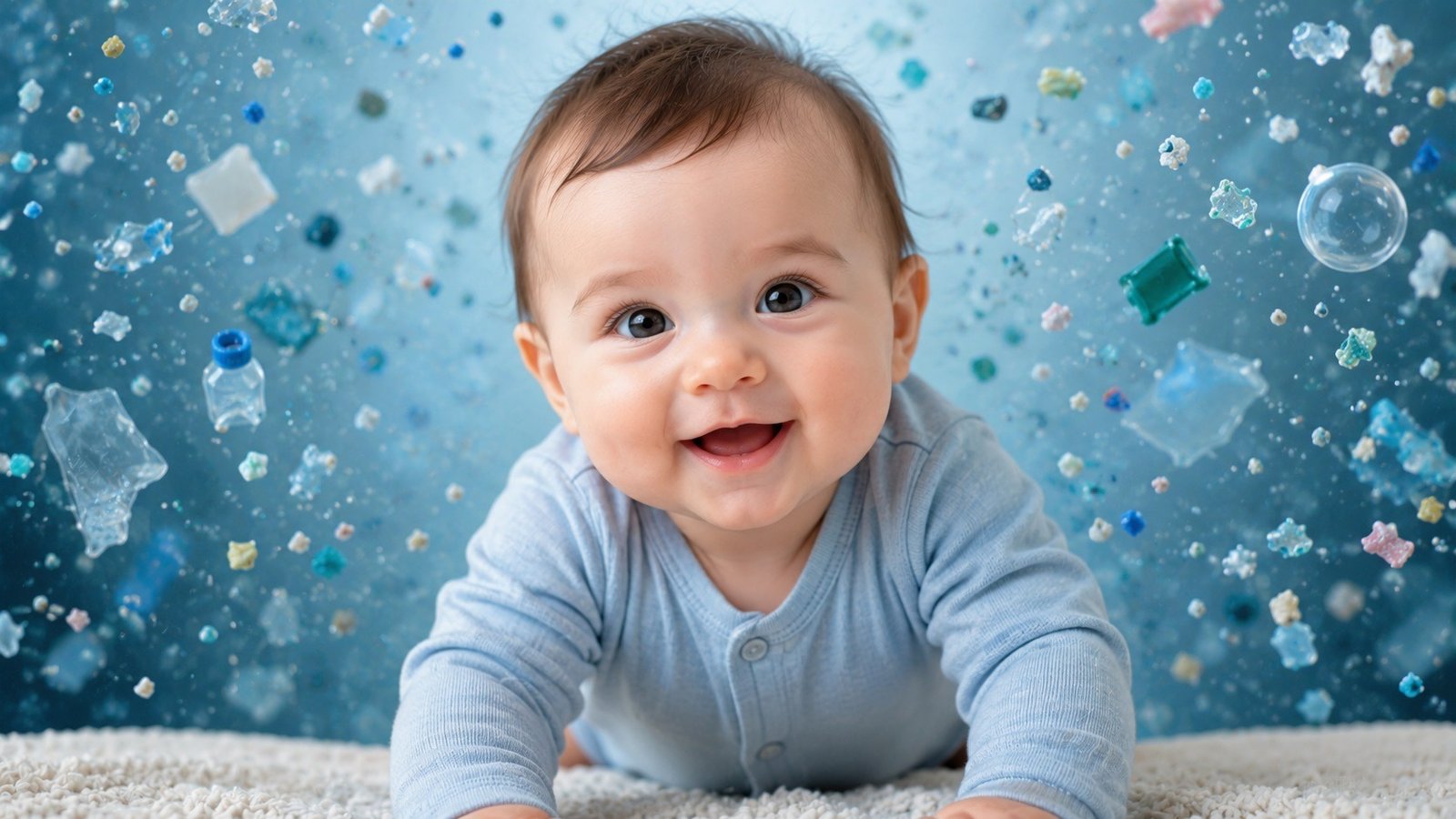
As parents, we spend countless hours researching the safest products for our babies. We carefully read labels, compare ingredients, and choose feeding products that promise comfort, convenience, and safety. So, it can feel unsettling to learn that something as common as a baby bottle may expose infants to tiny plastic particles known as microplastics.
If you’ve recently come across headlines about microplastics in baby bottles, you’re not alone in feeling concerned. Many parents are asking the same questions: Are plastic baby bottles safe? Do BPA-free bottles release microplastics? Should I switch to glass or silicone bottles? Most importantly, what does this mean for my baby’s health?
The good news is that you don’t need to panic or throw away every bottle in your kitchen. Understanding the facts can help you make informed decisions without feeling overwhelmed. While researchers continue to study the long-term effects of microplastic exposure in infants, there are practical, evidence-based steps parents can take today to reduce potential risks.
In this guide, we’ll explore what microplastics are, how they can end up in baby bottles, what current research says about their possible health effects, and simple ways to minimize your baby’s exposure. By the end, you’ll have a clearer understanding of the issue and the confidence to choose feeding practices that align with your family’s comfort level and safety goals.
What Are Microplastics and Why Are They a Concern for Babies?
We often think about obvious safety risks as parents such as choking hazards, unsafe sleep environments, or harmful chemicals listed on product labels. But some concerns are much harder to see. Microplastics in baby bottles fall into that category.
What Are Microplastics?
Microplastics are extremely small pieces of plastic, generally measuring less than 5 millimeters in size. Some are intentionally manufactured for industrial purposes, while others form when larger plastic items break down over time.
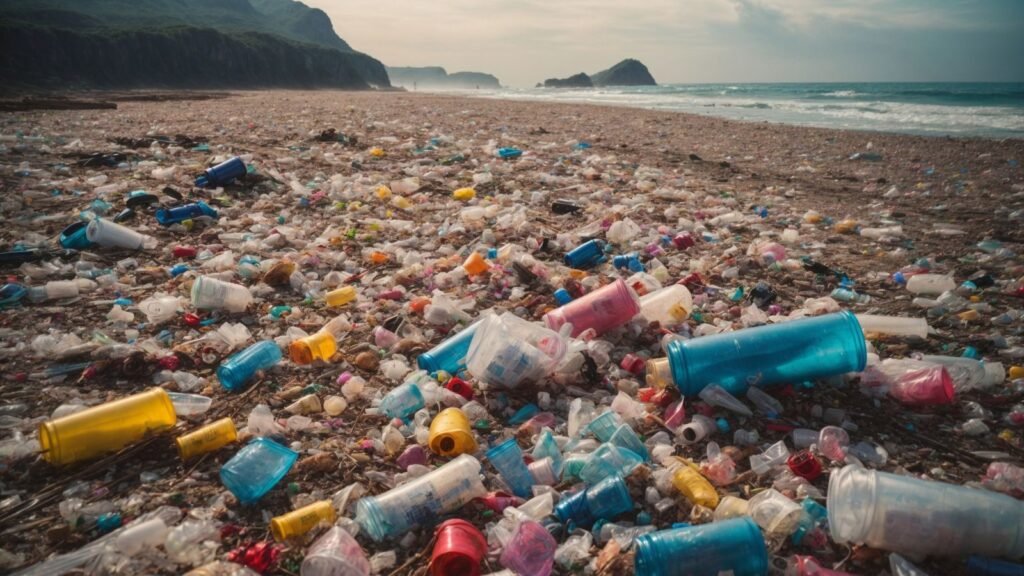
These tiny plastic particles are invisible to the naked eye, yet they have become one of the most discussed environmental and health topics in recent years. Researchers have found microplastics in oceans, soil, drinking water, food products, and even in the human body.
Because plastics are used in so many everyday products, microplastics can end up almost everywhere. They may be present in household dust, packaged foods, bottled water, and even products designed specifically for infants.
The concern is not simply that these particles exist, but that people may unknowingly consume or inhale them regularly.
How Babies Are Exposed to Microplastics?
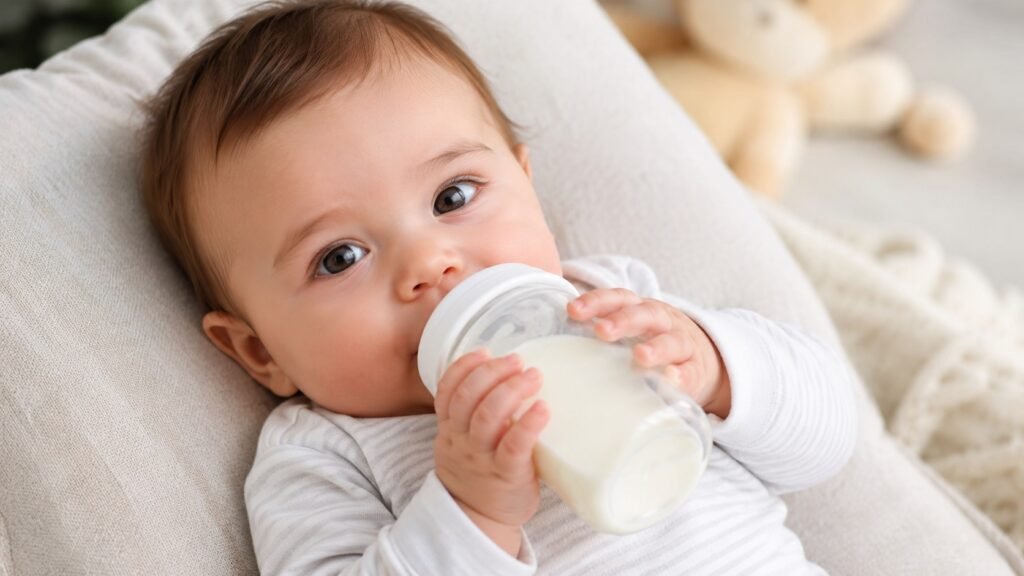
Since babies consume a larger amount of food and liquid relative to their body weight than adults, even small exposures may be more significant for them.
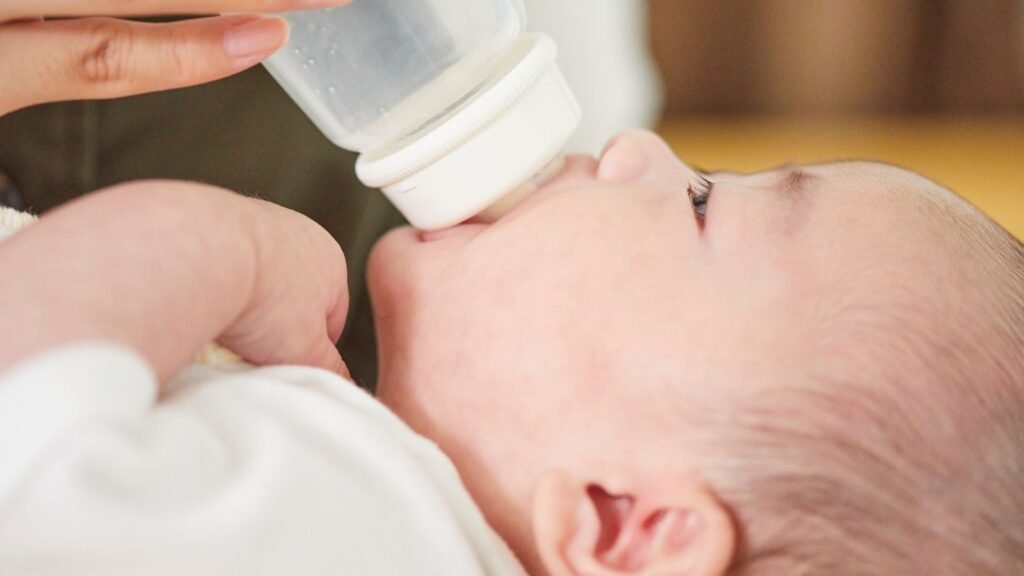
Microplastics in baby bottles are a concern because infants use them multiple times a day, often with warm liquids. Heat and repeated use can increase the release of tiny plastic particles from some bottle materials.
Babies can encounter microplastics through several sources in their environment, including:
- Plastic feeding bottles.
- Formula preparation equipment.
- Food packaging.
- Household dust.
- Plastic toys and accessories.
- Drinking water.
Why Infants May Be More Vulnerable Than Adults?
A baby’s body is still developing. During infancy, organs, immune systems, and metabolic processes are growing rapidly.
Researchers believe this developmental stage may make infants more sensitive to environmental exposures than adults. While scientists are still studying the long-term health effects of microplastics, many experts agree that minimizing unnecessary exposure during early childhood is a sensible precaution.
For parents, microplastics in baby bottles isn’t about fear. It’s about awareness and making informed choices whenever possible.
Do Baby Bottles Release Microplastics?
One of the most common questions parents ask is whether baby bottles actually release microplastics or whether the concern has been exaggerated.
And yes, research suggests that some plastic baby bottles can release tiny plastic particles called microplastics, especially when exposed to heat during sterilization, formula preparation, or bottle warming. While scientists are still studying the long-term health effects, many experts recommend simple steps such as avoiding excessive heat, replacing damaged bottles, and considering alternatives like glass or medical-grade silicone bottles to help reduce a baby’s exposure.
What Research Says About Plastic Baby Bottles?
Several studies have examined how plastic baby bottles behave during normal feeding preparation.
Researchers found that certain plastic bottles, especially those made from polypropylene, can release microplastic particles when they are sterilized, heated, or used repeatedly over time.
This doesn’t necessarily mean every bottle poses the same level of risk. The amount released can vary depending on factors such as:
- Bottle material.
- Water temperature.
- Sterilization methods.
- Frequency of use.
- Bottle age and condition.
How Heating Increases Microplastic Release?
Heat plays a major role in microplastic release. When plastic is exposed to high temperatures, its surface can gradually degrade. This process may cause tiny particles to detach and enter liquids stored inside the container. The higher the temperature and the more frequent the exposure, the greater the likelihood that microplastic particles may be released.
This doesn’t mean parents should stop sterilizing bottles. Proper hygiene remains essential for infant health. Instead, understanding how different preparation methods affect plastic materials can help families make informed decisions.
Common situations that involve heat include:
- Pouring hot water into bottles.
- Preparing a warm formula.
- Bottle warming.
- Dishwasher cleaning cycles.
- Steam sterilization.
Can Sterilizing Baby Bottles Increase Microplastic Exposure?
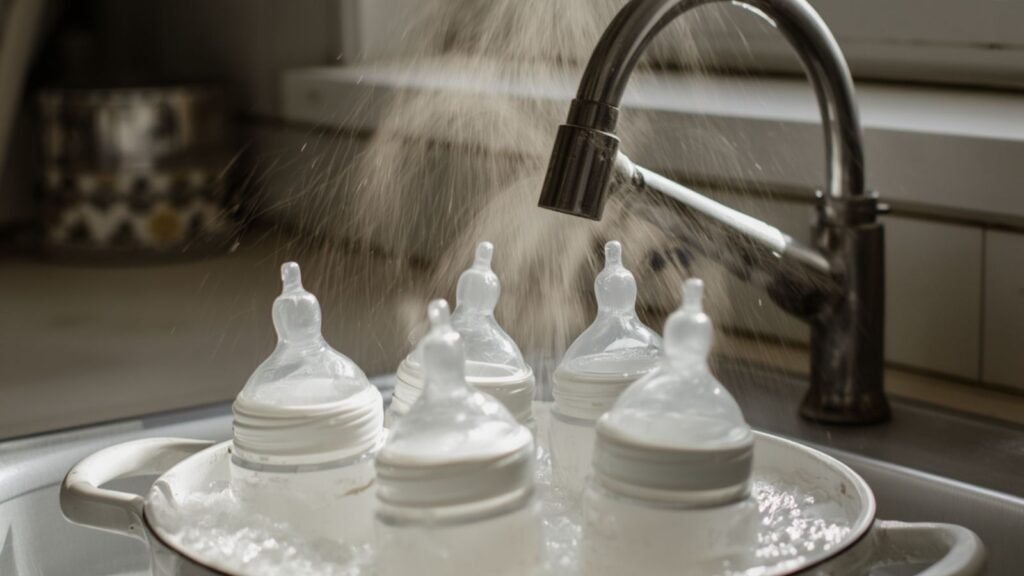
Sterilization is an important part of infant feeding, especially during the first months of life. However, repeated exposure to boiling water or steam can place stress on plastic surfaces. Over time, this may contribute to microscopic wear and increased particle release. Parents often find themselves caught between two priorities:
- Keeping feeding equipment hygienic.
- Reducing unnecessary plastic exposure.
The important thing is that sterilization remains important. The focus should be on choosing materials and preparation practices that help minimize potential risks of microplastics in baby bottles.
Which Baby Bottles Are Most Likely to Release Microplastics?
Not all baby bottles are made from the same materials. Understanding the differences can help parents make more informed purchasing decisions.
Understanding Polypropylene Baby Bottles
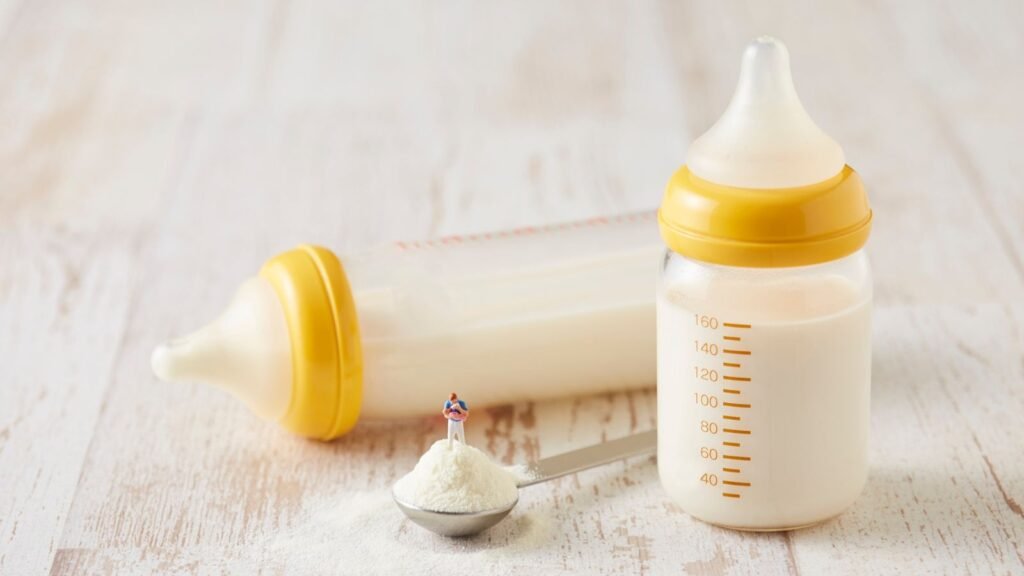
Polypropylene is one of the most commonly used plastics in baby bottles. Manufacturers favor it because it is:
- Lightweight
- Durable
- Affordable
- Shatter-resistant
Many bottles labeled as BPA-free are made from polypropylene. While polypropylene has advantages, research suggests it can release microplastic particles under certain conditions, particularly when exposed to repeated heating and sterilization.
Because of its widespread use, polypropylene has become a major focus of current microplastics research.
Are BPA-Free Baby Bottles Completely Safe?
Many parents assume that BPA-free automatically means risk-free. Unfortunately, the situation is more complicated. BPA-free simply means the product does not contain Bisphenol A, a chemical that has raised health concerns over the years.
However, BPA-free bottles are still often made from plastic. While removing BPA addresses one issue, it does not necessarily eliminate the possibility of microplastic release. This distinction is important because marketing claims can sometimes create a false sense of security.
When evaluating baby bottles, parents should consider the overall material rather than focusing exclusively on BPA-free labels.
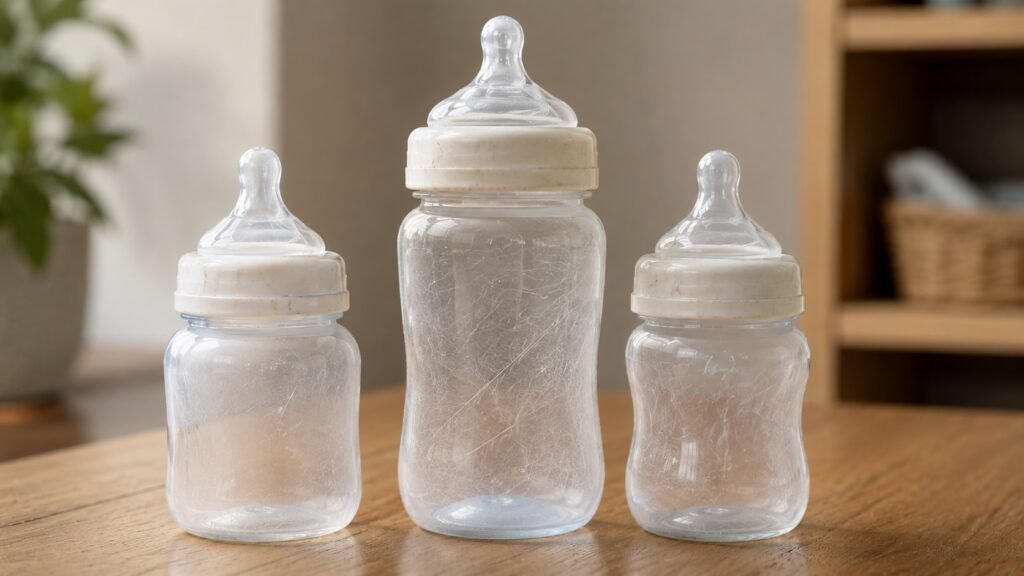
What Happens When Plastic Bottles Age or Become Scratched?
Plastic naturally experiences wear over time. These changes may increase the likelihood of particle shedding. Frequent washing, sterilization, transportation, and everyday use can gradually create:
- Tiny scratches.
- Surface roughness.
- Material fatigue.
A bottle that looks worn may not function exactly as it did when it was new. Regular inspection is a simple but important step in reducing potential exposure. For this reason, experts often recommend replacing plastic bottles that show signs of:
- Cloudiness
- Cracks
- Deep scratches
- Discoloration
- Warping
Are Microplastics Harmful to Babies?
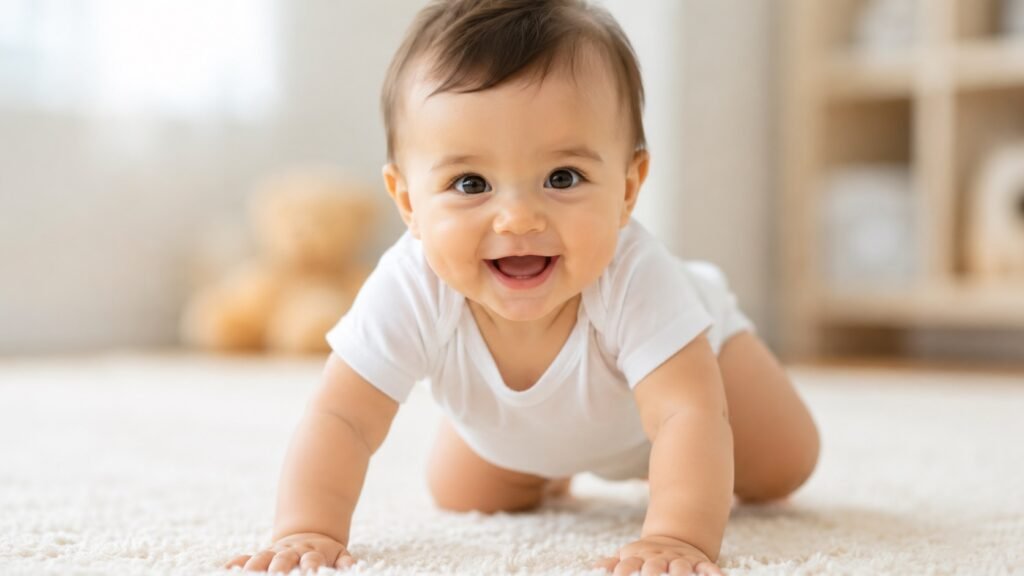
This is often the question that worries parents the most. The honest answer is that researchers are still working to fully understand the long-term effects of everyday microplastic exposure that affects infants over the long term.
Potential Health Concerns Linked to Microplastics in Baby Bottles
Scientists are exploring several possible concerns associated with microplastics, including:
- Inflammation
- Oxidative stress
- Immune system effects
- Disruption of normal cellular processes
What Researchers Say About Microplastics in Baby Bottles?
Researchers know about that:
- Humans are exposed to microplastics regularly.
- Babies may encounter microplastics through feeding products.
- Plastic bottles can release particles under certain conditions.
Researchers do not yet know:
- Exactly how much exposure is harmful.
- Whether specific exposure levels cause long-term health problems.
- The full biological impact of lifelong exposure.
- Which populations may be most vulnerable.
Can Microplastics Affect a Child’s Developing Body?
Because infancy is a period of rapid growth and development, researchers are particularly interested in understanding whether microplastics in baby bottles during this stage could influence health later in life.
While evidence is still evolving, many pediatric and environmental health experts recommend reducing avoidable exposure to microplastics whenever practical.
For parents, the goal isn’t perfection. Modern life makes complete avoidance impossible. Instead, the focus is on making small, realistic choices that may help lower exposure while maintaining safe and healthy feeding practices.
What Are the Safest Baby Bottle Materials for Newborns?
When parents learn about microplastics in baby bottles, one of the first questions they ask is, “What should I use instead?”
While no product is completely risk-free, some bottle materials are generally considered more stable and less likely to release plastic particles during normal use.
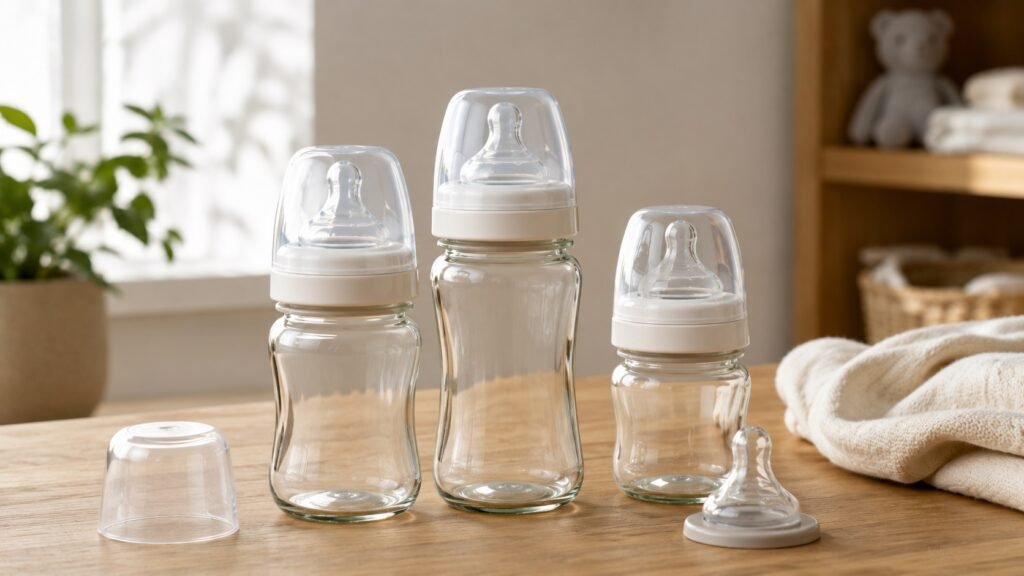
Glass Baby Bottles
Glass remains one of the most trusted materials for infant feeding. Many parents choose glass bottles because they provide peace of mind when preparing warm formula or breast milk.
The primary disadvantages are weight and the possibility of breakage. However, many modern designs include silicone sleeves for added protection and grip.
Benefits of glass baby bottles include:
- No microplastic release.
- Excellent heat resistance.
- Easy sterilization.
- Long lifespan.
- Does not absorb odors, stains, or flavors.
Medical-Grade Silicone Bottles
Silicone bottles have become increasingly popular in recent years. Many parents appreciate that silicone offers a compromise between the durability of plastic and the stability of glass.
While silicone bottles are often more expensive, some families find the additional cost worthwhile. Advantages include:
- Flexible and lightweight
- Resistant to cracking
- Durable during everyday use
- Generally stable under heat
Stainless Steel Feeding Options
Stainless steel bottles are less common but are available in some markets. Potential drawbacks include limited visibility, which makes it harder to see milk levels during feeding.
For some parents, stainless steel works best as part of a mixed feeding system rather than as a primary bottle. Benefits include:
- Extremely durable
- Plastic-free
- Resistant to heat damage
- Long-lasting
How to Choose a Non-Toxic Baby Bottle
Walking through the baby aisle can feel overwhelming. Packaging often includes phrases like “BPA-Free,” “Natural,” “Eco-Friendly,” and “Safe for Babies.”
Understanding what actually matters can make shopping much easier.
What Labels Parents Should Look For?
Remember that no single label guarantees a perfect product. Looking at the overall material and design is usually more helpful. When evaluating baby bottles, consider factors such as:
- BPA-free certification.
- High-quality manufacturing standards.
- Heat-resistant materials.
- Clear cleaning and sterilization instructions.
- Reputable brands with transparent safety information.
Features That Matter More Than Marketing Claims
A well-designed bottle that can withstand repeated use safely is often more valuable than flashy marketing promises. Some marketing terms sound impressive but provide little useful information.
To reduce the risk of microplastics in baby bottles, instead of focusing solely on advertising language, rents must pay attention to:
- Material type.
- Durability.
- Ease of cleaning.
- Compatibility with sterilization methods.
- Replacement schedules recommended by the manufacturer.
Questions to Ask Before Buying a Baby Bottle
The best baby bottle is one that combines safety, practicality, and consistency. Before making a purchase, consider asking:
- What material is this bottle made from?
- How does it perform under heat?
- Is it easy to clean thoroughly?
- How often should it be replaced?
- Does it fit my family’s feeding routine?
Common Myths About Microplastics in Baby Bottles
The growing discussion around microplastics in baby bottles has also created some confusion. Let’s clear up a few common misconceptions.
Myth #1: BPA-Free Means Plastic-Free
This is one of the most widespread misunderstandings. A BPA-free bottle simply means it does not contain Bisphenol A.
However, the bottle may still be made from plastic and may still release microplastic particles under certain conditions. BPA-free is an important feature, but it is not the entire safety picture.
Myth #2: Only Cheap Bottles Release Microplastics
Price does not automatically determine whether a bottle releases particles. Material type and usage habits often matter more than price alone.
Even high-quality plastic bottles can experience wear from:
- Heat.
- Sterilization.
- Repeated use.
- Physical damage.
Myth #3: Sterilization Is the Main Problem of Releasing Microplastics in Baby Bottles
Some parents become worried that sterilizing release microplastics in baby bottles and it is dangerous. In reality, sterilization remains an essential practice for infant health.
The goal is not to avoid sterilization. Instead, it is to understand how different materials respond to repeated heating and choose products that can tolerate those conditions effectively. Hygiene should never be sacrificed out of fear of microplastics.
Frequently Asked Questions About Microplastics in Baby Bottles
Do all plastic baby bottles release microplastics?
Research suggests that many plastic products can release tiny particles over time, especially when exposed to heat, friction, or repeated use. However, the amount released can vary depending on the material, age, and condition of the bottle.
Are glass baby bottles safer than plastic?
Glass bottles do not release microplastics and are highly heat resistant. Many parents consider them one of the safest options, although they are heavier and can break if dropped.
Can boiling baby bottles release microplastics?
Repeated exposure to high temperatures may increase particle release from some plastic materials. This is one reason many experts recommend following manufacturer guidelines carefully and replacing worn bottles when needed.
How can I reduce my baby’s exposure to microplastics?
Parents can reduce exposure by:
1. Replacing damaged bottles.
2. Avoiding unnecessary overheating.
3. Preparing hot liquids in non-plastic containers when practical.
4. Considering glass or silicone alternatives.
Are silicone baby bottles safe?
Medical-grade silicone bottles are generally regarded as a stable alternative to traditional plastics and are often chosen by parents seeking lower-plastic feeding options.
Should I replace old plastic baby bottles?
Yes. Bottles that show signs of wear, scratches, cloudiness, cracks, or discoloration should generally be replaced.
Is it safe to sterilize plastic baby bottles in the microwave?
Yes, if the bottle manufacturer specifically states it is microwave-safe, but repeated microwave sterilization may increase wear over time, so replace scratched or damaged plastic bottles promptly.
How to avoid microplastics in baby bottles?
To reduce microplastics in baby bottles, use glass or medical-grade silicone bottles when possible, avoid pouring very hot liquids into plastic bottles, and replace scratched or worn bottles promptly.

Summary: Microplastics in Baby Bottles
Parenting often involves making decisions with incomplete information. The conversation around microplastics in baby bottles is a good example.
Researchers continue to learn more about how these particles affect human health, especially during infancy. While there are still unanswered questions, current evidence suggests that practical, common-sense steps can help reduce exposure without making daily life complicated.
Most importantly, remember that feeding your baby safely involves much more than choosing the “perfect” bottle. Loving care, proper nutrition, safe preparation practices, and responsive feeding all play vital roles in supporting healthy growth and development and reducing risk of microplastics in baby bottles.
Rather than striving for perfection, focus on informed choices and gradual improvements. By staying aware of emerging research and making reasonable adjustments where possible, you can create a feeding environment that supports both your baby’s well-being and your own peace of mind.
Your baby doesn’t need perfect parents, just thoughtful ones.
Did this guide help you? Save it, share it with your partner or a family friend. For more evidence-based newborn care tips, explore more helpful articles from this site: Baby Breathing Problems Due to Room Spray, Bamboo Baby Plates Vs Plastic Plates for Babies, Spot Toxic Vs. Safe Bamboo Baby Plates.



2 Responses
[…] If this guide helped you, consider sharing it with another parent or your family friend. Drop in your comment for suggestions and do read more helpful articles from this site: 10 Newborn Sleep Safety Mistakes & How to Avoid Them (2026 Guide), Introducing Pets to Newborn Safely: A 7-Step Vet-Approved Timeline, Safe Home Setup for Newborn: 15 Must-Know Safety Tips Before Baby Arrives, Microplastics in Baby Bottles: Risks, Research, and How Parents Can Reduce Exposure. […]
[…] read more useful articles from this site: FDA Warning on SUID Prevention Monitors 2026, Microplastics in Baby Bottles: Risks, Research, and How Parents Can Reduce Exposure, Baby Breathing Problems Due to Room Spray: Risks, Symptoms & Safe […]