
Baby Breathing Problems Due to Room Spray: Risks, Symptoms & Safe Alternatives

As new parents, we pour so much love into preparing for our little one. You’ve probably walked into that freshly painted nursery, taken a deep breath of that apple‑cinnamon or lavender scent, and felt a wave of excitement. But here’s a reality many parents discover only after worry sets in: baby breathing problems due to room spray are more common than you think. The gentle fragrance that makes your home feel cozy might actually be a hidden trigger for your infant’s cough, wheeze, or stuffy nose.
The American Academy of Pediatrics (AAP) has published specific guidance on household chemical safety, citing research linking early-life chemical exposure to respiratory disease, hormonal disruption, and neurodevelopmental effects. The AAP emphasizes that reducing children’s exposure to phthalates, parabens, synthetic fragrances and other chemicals found in many common household products should be a priority for families. Research has shown that infants in households with high use of cleaning products, including air fresheners, have a significantly increased risk of developing asthma by age three.
The gentle scent of apple cinnamon or fresh linen that makes us feel like a “good homemaker” might actually be a cocktail of synthetic chemicals that can irritate your baby’s developing airways. What seems like a simple way to freshen your home could potentially be the cause of breathing problems in your baby, turning a peaceful nursery into a place of worry.
If your baby has developed a persistent nighttime cough, starts wheezing or becomes fussy after you’ve used an air freshener or scented candle, you’re not overreacting. Your concerns are real and valid.
The good news is that you don’t have to choose between a fresh-smelling home and your baby’s health. We’ve created this guide to help you recognize the common symptoms of chemical irritation, understand what’s actually in those “air fresheners” and understand pediatrician-approved, safer alternatives for your baby’s room.
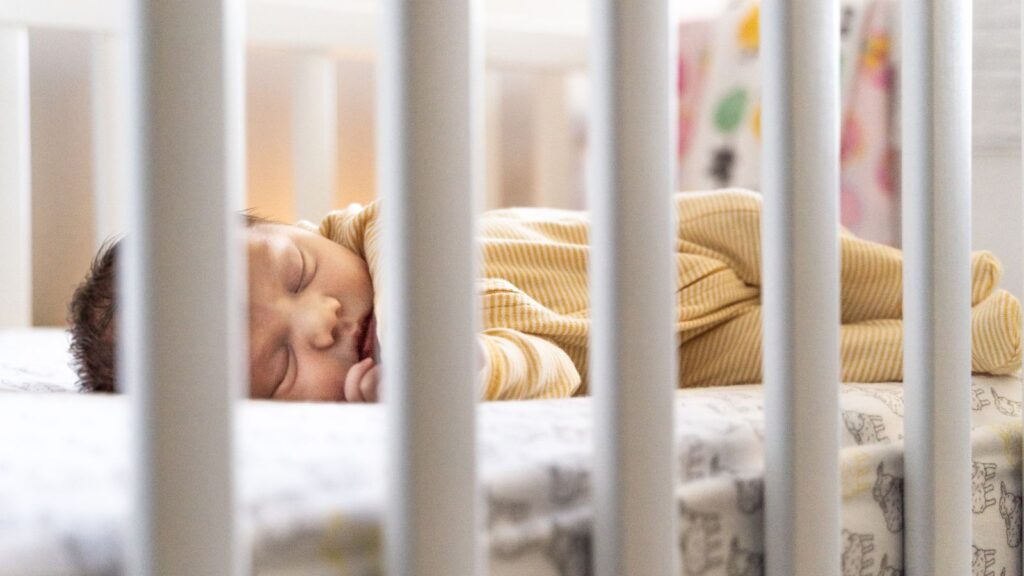
Can Room Spray Cause Baby Breathing Problems? What the Research Says
Yes. The short answer is yes. Pediatric studies have linked the use of aerosol room sprays, plug‑ins, and scented candles to baby breathing problems due to room spray exposure. One 2015 study found that infants in homes with frequent air freshener use had a significantly higher risk of developing asthma by age three.
Why Babies are More Vulnerable to Airborne Chemicals?
Babies breathe faster than adults, and their lungs are still maturing. Their airways are tiny—so even a small amount of chemical irritation can lead to noticeable baby breathing problems. That’s why the American Academy of Pediatrics (AAP) recommends avoiding synthetic fragrances in nurseries altogether.
Common Harmful Ingredients that Trigger Baby Breathing Problems Due to Room Spray
You might see labels like “green,” “natural,” or “plant‑based.” But many of these still contain irritants. True baby breathing problems due to room spray are most often caused by:
- VOCs (volatile organic compounds) – linked to eye and throat irritation
- Phthalates – known endocrine disruptors
- Formaldehyde – a known respiratory irritant
Even some essential oils (eucalyptus, peppermint, tea tree) can cause breathing problems in babies if used in high concentrations or directly in a diffuser near the crib.
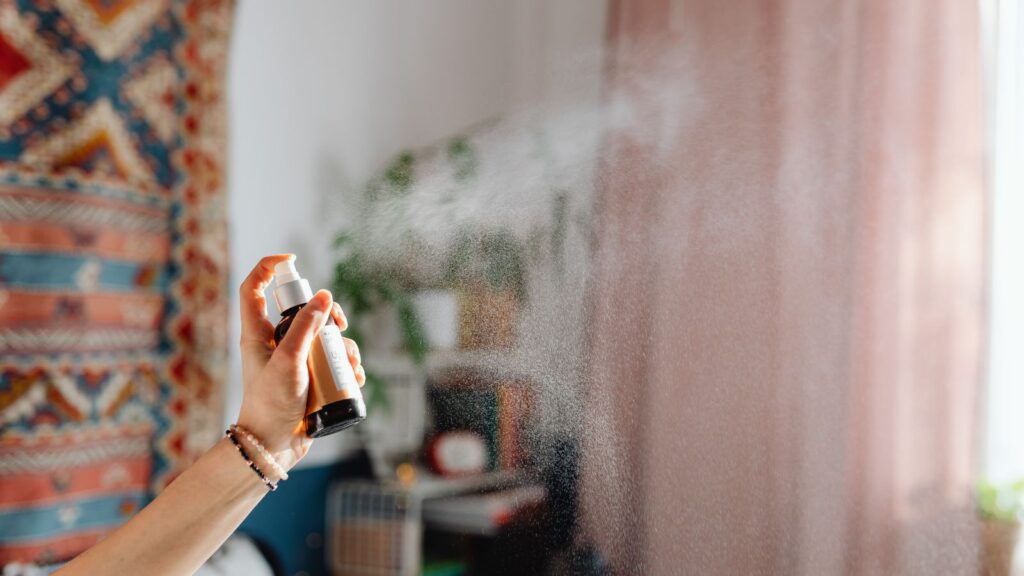
Symptoms of Room Spray Allergy in Infants (What to Watch For)
Immediate Signs of Breathing Problems in Babies
If you’ve used a room spray recently, watch your baby closely for these signs:
- Persistent coughing (especially at night)
- Wheezing or whistling sound when breathing out
- Nasal congestion without a cold
- Rapid or labored breathing
Delayed Reactions that Parents Often Miss
Delayed reactions (hours later) can be:
- Eczema flare‑ups on the face or chest
- Unusual fussiness or trouble sleeping
- Mild retractions (skin pulling in around ribs when breathing)
Trust your gut. If you suspect baby breathing problems due to room spray, stop using the product and open a window.
Why Does My Baby Cough When I Use Air Freshener? Explaining Baby Breathing Problems
How Airborne Irritants Trigger a Baby’s Cough Reflex?
You spray a little freshener in the hallway, and ten minutes later your baby starts coughing. That’s not a coincidence. The chemicals in room sprays land on the delicate lining of your baby’s airways, causing inflammation. That inflammation leads directly to baby breathing problems due to room spray – including that dry, hacking cough.
The Role of Baby’s Developing Lungs and Smaller Airways
Think of it like this: a baby’s lung surface area per pound of body weight is much larger than an adult’s. So the same amount of fragrance chemical affects them more intensely. That’s why even a “small” spray can result in noticeable baby breathing problems..
Air Freshener and Baby Respiratory Infection Risk: How Baby Breathing Problems Due to Room Spray Can Escalate?
Can Daily Room Spray Use Lead to Chronic Breathing Issues?
Frequent exposure doesn’t just cause temporary coughing. Over weeks and months, chronic baby breathing problems due to room spray can weaken the lungs’ natural defenses. Some research suggests that babies exposed to daily synthetic fragrances are more likely to develop recurrent bronchitis and even asthma.
Studies Linking Household Sprays to Infant Wheezing and Asthma
One longitudinal study followed 1,500 infants and found that those in high‑fragrance homes had a 32% higher risk of wheezing illnesses by age two. That’s why recognizing early baby breathing problems is so important, you can intervene before it becomes a long‑term condition.
Newborn Wheezing and Household Air Fresheners: A Red Flag
When to Call Your Pediatrician?
Wheezing in a newborn is always worth a call to your doctor. But if the wheezing started within hours of using a room spray, suspect baby breathing problem. Unlike a cold, chemical‑induced symptoms:
- Appear suddenly, often within 30‑60 minutes of exposure
- Don’t come with a fever or runny nose
- Improve when you move baby to fresh air
How to Tell the Difference Between a Cold and Chemical‑Induced Baby Breathing Problems?
If your baby shows blue lips, nostrils flaring, or grunting with each breath, go to the ER immediately. But for mild baby breathing problem, stopping the product and ventilating the room often helps within a few hours.
Safe Alternatives to Room Sprays for Your Baby’s Nursery
DIY Natural Air Freshener Recipe
You don’t have to live with bad smells. Here’s how to avoid baby breathing problems due to room spray while keeping the nursery fresh:
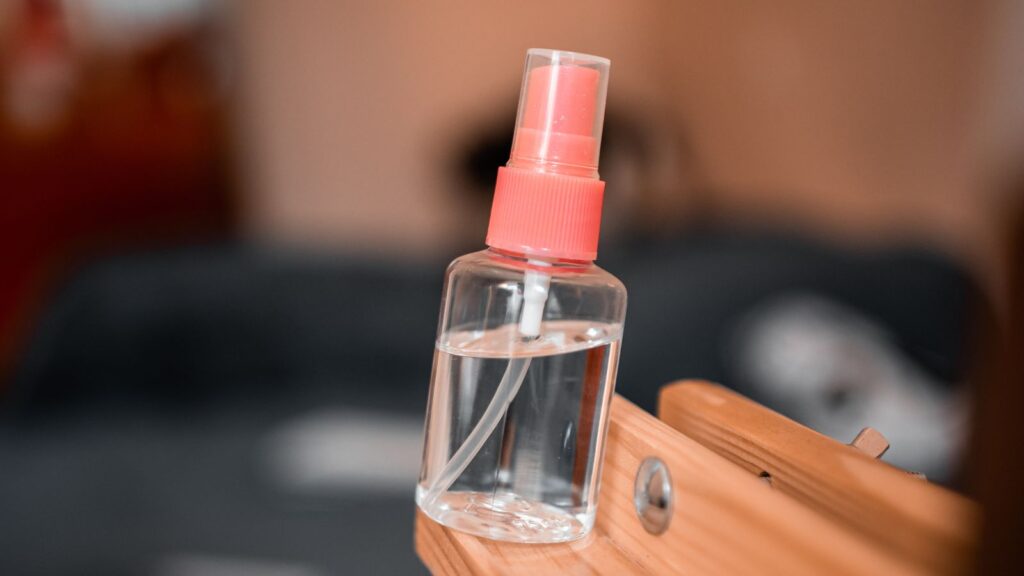
Mix 1 tablespoon baking soda + 2 cups water + 2 drops lavender (baby‑safe variety). Shake well. Lightly mist carpets or curtains. This neutralizes odors without causing baby breathing problems due to room spray.
Best Non‑Toxic & Baby‑Safe Room Sprays in the Market
Look for “phthalate‑free,” “fragrance‑free,” or “MADE SAFE” certified brands. Some trustworthy names: Force of Nature, Molly’s Suds, Dr. Bronner’s Unscented.
Using an Air Purifier to Keep Nursery Air Fresh Without Chemicals
Best of all: an air purifier with a HEPA and activated carbon filter. It removes odors AND particles without a single spray – zero risk of a baby’s breathing problem.
Ingredients to Avoid Even in DIY Recipes
To prevent baby breathing problems due to room spray, even homemade sprays need caution. Never use alcohol, synthetic “fragrance oils,” or strong essential oils like peppermint or clove.
Frequently Asked Questions About Baby Breathing Problems Due to Room Spray
Can I use an essential oil diffuser?
Not in the same room while baby is sleeping. Even some oils can cause baby breathing problems due to room spray. If you use one, do it hours before baby enters and with the door open.
How long after spraying is it safe?
At least 2‑3 hours of good ventilation. To be extra safe, avoid spraying anything in the nursery at all. Baby breathing problems due to room spray can occur even with “low VOC” products.
What about “green” or “unscented” sprays?
“Unscented” often means a masking fragrance is added. Always check the ingredient list. The only way to be 100% free of baby breathing problems due to room spray is to use no spray at all – just fresh air, purifiers, and baking soda.
Are plug in air fresheners safe for babies?
Generally, no—plug-in air fresheners are not recommended for use in a baby’s room, as experts warn they can release chemicals that may irritate a baby’s developing lungs and pose poisoning risks if a child accesses the liquid
Which air freshener is safe for babies?
No air freshener is truly “safe” for a baby, but the safest option is to use a fragrance‑free, phthalate‑free product like baking soda‑based fresheners or natural alternatives in a well‑ventilated room, ensuring it’s never sprayed directly near the baby.
Are scented candles and room spray harmful to babies?
Yes, scented candles and room sprays can be harmful to babies because they release volatile organic compounds (VOCs) and synthetic fragrances that may irritate a baby’s developing lungs and trigger breathing problems.
What are the symptoms of air freshener poisoning?
Symptoms can include mouth, nose, and throat irritation, coughing or choking, headache, dizziness, nausea, vomiting, and drowsiness, though more severe effects like respiratory distress, seizures, or coma are possible in serious cases

Conclusion: Protecting Your Baby’s Breathing Without Sacrificing a Fresh Nursery
You’ve done the research, and now you know: baby breathing problems due to room spray are real, common, and preventable. The scent that says “clean” to you might say “irritant” to your baby’s tiny lungs.
Your action plan:
- Remove all synthetic sprays, plug‑ins, and scented candles from the nursery.
- Open windows for 5‑10 minutes daily to air out the room.
- Try the DIY baking soda spray or a HEPA air purifier instead.
- If your baby already shows signs of baby breathing problems due to room spray, keep a symptom diary and share it with your pediatrician.
You’re not a paranoid parent – you’re an informed one. By making these small changes, you’re giving your baby the fresh, clean air they deserve. And that peace of mind? It’s the best fragrance of all.
Did this article helped you, consider sharing it with other parents or save it for later as every baby deserves a safe start in life. Read more helpful article from our site like: Newborn First Hour Safety Tips, Introducing Pets to Newborn Safely, Safe Home Setup for Newborns and leave a comment for feedback and suggestions.
Disclaimer
This information is for educational purposes and does not replace medical advice. If your baby has severe or persistent baby breathing problems due to room spray symptoms, please consult your pediatrician immediately.



5 Responses
[…] plates. Do read more helpful articles from our site: How to Reduce PFAS Exposure During Pregnancy, Baby Breathing Problems Due to Room Spray. Stay connected for feedback & […]
[…] read more helpful articles from this site: Baby Breathing Problems Due to Room Spray, Bamboo Baby Plates Vs. Plastic Plates, Safe Home Setup for Newborn and stay connected for […]
[…] friend. For more evidence-based newborn care tips, explore more helpful articles from this site: Baby Breathing Problems Due to Room Spray, Bamboo Baby Plates Vs Plastic Plates for Babies, Spot Toxic Vs. Safe Bamboo Baby […]
[…] Do read more useful articles from this site: FDA Warning on SUID Prevention Monitors 2026, Microplastics in Baby Bottles: Risks, Research, and How Parents Can Reduce Exposure, Baby Breathing Problems Due to Room Spray: Risks, Symptoms & Safe Alternatives. […]
[…] you are buying an air purifier to improve indoor air quality, added fragrance is not necessary. If smells or sensitivities are bothering you during pregnancy, adding another […]