
Stop Using Alcohol for Your Baby’s Umbilical Cord: 2026 Newborn Cord Care Guidelines Every Parent Must Know
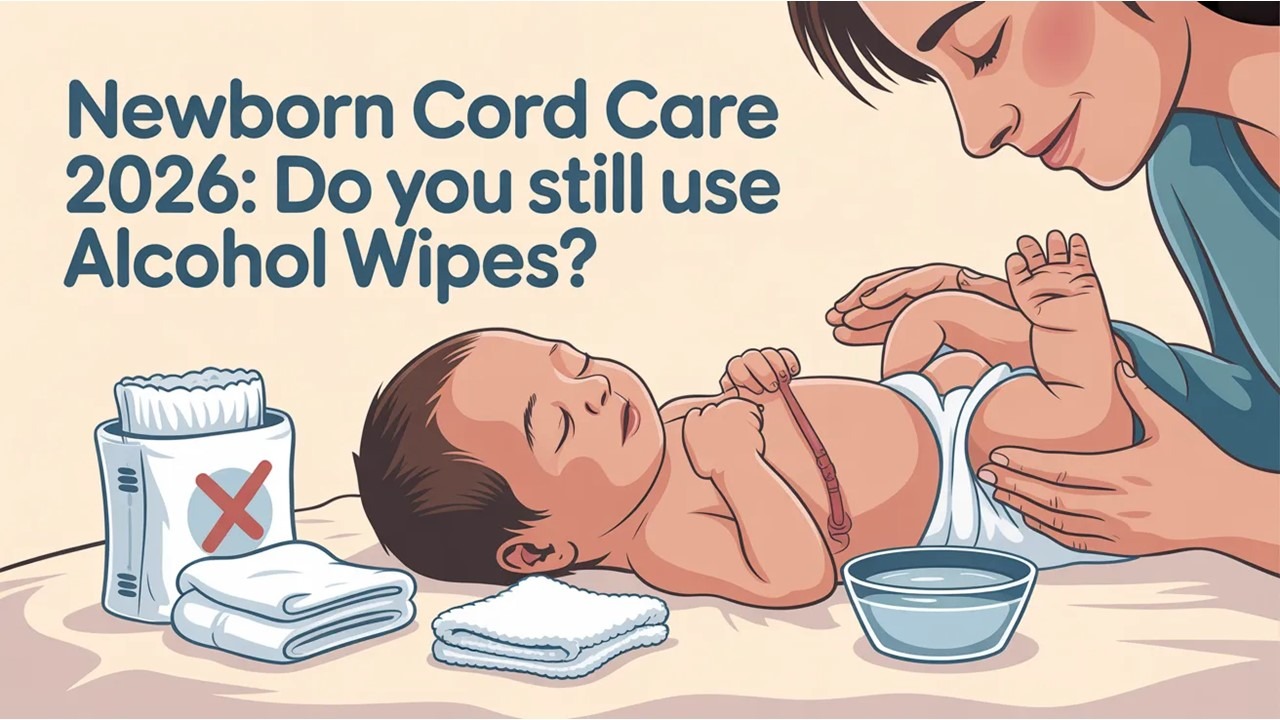
You’re holding your newborn, and the nurse may hand over you a package of alcohol wipes. Your mother says, “That’s what we used for you.” But your pediatrician says something different. Who’s right? And what is actually recommended in 2026?
Newborn cord care is one of the most confusing aspects of baby care for new parents. Advice seems to change with every generation, and even today, different hospitals and countries have different practices.
If you’re a first-time mom and wondering whether to go for alcohol wipes or toss them aside, you’re in the right place. The 2026 Umbilical Cord Care Guidelines from major health organizations have shifted dramatically, and the answer may surprise you.
Why Stop Using Alcohol Wipes on an Umbilical Cord?
No. In 2026, major health organizations including the WHO (World Health Organization) and the AAP (American Academy of Pediatrics) recommend against using alcohol wipes on a newborn’s umbilical cord.
Alcohol delays cord separation by approximately 1.6 days and does not reduce infection risk as compared to keep the cord clean and dry.
That’s the short answer. But let’s dive deep and find out why the recommendations changed and exactly how you should do newborn cord care in 2026.

Why Did Doctors Stop Recommending Alcohol on Umbilical Cords?
For decades, alcohol wipes were the standard for newborn cord care. Parents were told to swab the base of the cord with rubbing alcohol at every diaper change. But research has shown something different.
The Evidence: 2026 Cochrane Research Review
A new Cochrane systematic review published in March 2026 analyzed 18 randomized controlled trials involving over 143,000 newborns. The findings were clear:
- Alcohol delays cord separation by approximately 1.6 days compared to dry cord care.
- Evidence for infection prevention with alcohol was very uncertain. It means, it likely doesn’t help.
- No studies in high‑income countries reported any benefit of alcohol for preventing omphalitis (cord infection) or reducing mortality.
Why Alcohol Is Actually Counterproductive?
Alcohol is a drying agent, but it doesn’t discriminate between good and bad bacteria. It kills beneficial bacteria along with potentially harmful ones and can damage the delicate newborn skin around the cord base. More importantly, the drying effect actually slows the natural mummification process that leads to cord separation.
So, alcohol doesn’t prevent infections, delays healing, and irritates newborn skin. That’s why every major health authority now recommends against it.
What Does the WHO Say About Newborn Cord Care in 2026?
The World Health Organization’s recommendations depend on where you live. The guidelines differentiate between high‑resource countries and low‑resource countries.
For High‑Resource Areas
For parents in the US, Canada, UK, Australia, and Europe, the 2026 recommendation for newborn cord care is clear, no alcohol, no antiseptics, just clean and dry.
- Dry cord care is recommended.
- Keep the cord clean and dry.
- No routine antiseptics (including alcohol) are needed.
- Wash hands before handling the cord.
- Fold the diaper below the stump to keep it exposed to air.
For Low‑Resource Areas
For parents in the countries with poor hygiene conditions:
- Daily application of 4% chlorhexidine for the first week for newborn cord care is recommended.
- This reduces infection rates by about 29% and may reduce newborn deaths.
Why the Difference?
In regions where hygiene conditions are poor and umbilical infections are a major cause of newborn death, antiseptic cord care saves lives. But in high income countries, with adequate obstetric care and low neonatal mortality, dry cord care is sufficient.
Step-by-Step Guide to Newborn Cord Care (2026)
What You’ll Need for newborn cord care:
- Warm water.
- Clean cotton balls or soft washcloth.
- Mild baby cleanser (optional).
- Clean, soft towel or gauze.
Step 1: Wash Your Hands
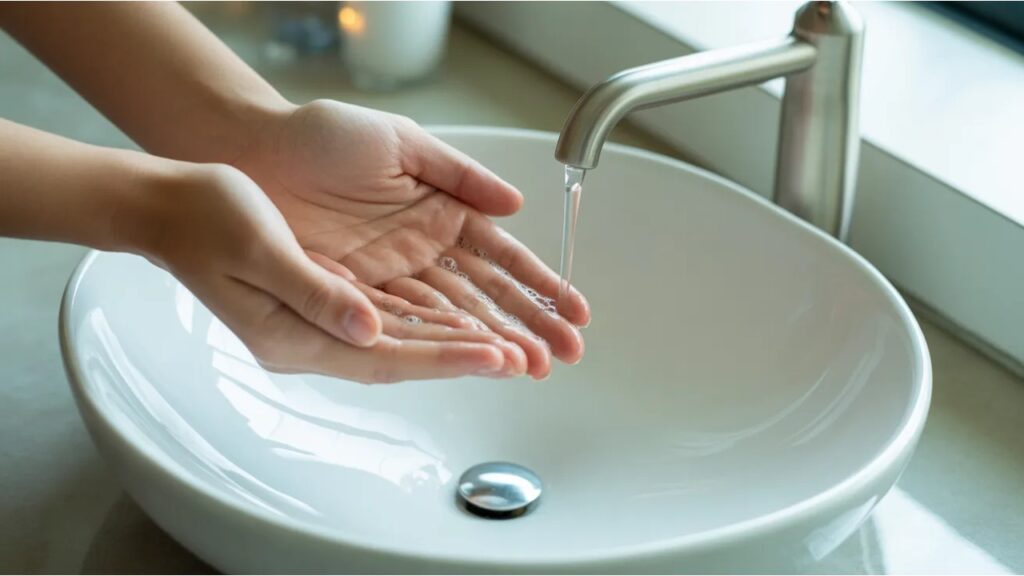
Always wash your hands thoroughly with soap and water before touching your baby’s cord area. Clean hands are the best defense against infection.
Step 2: Clean Only When Necessary
You don’t need to clean the cord daily unless it gets soiled with urine, stool, or has dried blood residue. Over‑cleaning can delay healing.
Step 3: Gentle Cleaning Technique
- Dip a cotton ball or soft washcloth in warm water (a mild baby cleanser is okay, but not required).
- Gently wipe around the base of the cord, not the tip.
- Clean away any dried blood or residue.
- Never scrub or attempt to clean inside the cord.
Step 4: Dry Thoroughly
- Pat the area dry with a clean, soft towel or sterile gauze.
- Ensure the base of the cord is completely dry.
- Moisture is the enemy of proper cord healing.
Step 5: Keep It Exposed to Air
- Fold your baby’s diaper below the umbilical stump.
- Most diapers have a cut‑out or fold‑down waistband specifically for this purpose.
- Loose, breathable clothing helps air circulation.
Step 6: Let It Fall Off Naturally
- Never pull or tug on the cord, even if it looks like it’s barely attached.
- It will fall off on its own, typically between 5 and 21 days.
How to Bathing Your Baby with an Intact Cord?
Can I Bathe My Baby Before the Cord Falls Off?
Yes, but with precautions.
Sponge Baths Are Recommended
Until the cord falls off, stick to sponge baths. Fill a basin with warm water and use a washcloth to gently clean your baby, keeping the cord area dry.
If the Cord Gets Wet?
- Gently pat it dry with a clean, soft towel or gauze.
- Ensure the base is completely dry after bathing.
Avoid Full Tub Immersion
Submerging the cord in water can keep it moist, delaying separation and increasing infection risk. Wait until the cord has fallen off and the belly button is fully healed before giving your baby a full tub bath.

Normal vs. Concerning Signs Related to Newborn Cord Care 2026
To ensure that cord is healing normally, let’s have a quick comparison of newborn’s normal cord care changes.
| What You Might See | Why It’s Normal |
|---|---|
| Cord turns from white to yellow to black/dark brown. | Natural drying and mummification process. |
| Small amount of clear, sticky, or brownish discharge. | Normal healing. Cord is separating. |
| Slight odor. | Mild smell is normal as tissue dries. |
| Traces of blood on diaper or clothes. | Small amount of blood when cord is separating is normal. |
| Cord remains attached up to 21 days. | Separation can take up to 3 weeks in some babies. |
Based on above comparison, it is clear that newborn’s cord healing occurs gradually within 3 weeks.
Signs of Infection
Contact your pediatrician immediately if you notice any of these:
- Redness spreads around the belly button or onto the abdomen.
- Swelling or warmth around the cord area.
- Foul‑smelling discharge (pus, yellow, or green fluid).
- Bleeding that doesn’t stop with gentle pressure.
- Fever in your baby (temperature over 100.4°F / 38°C).
- Your baby seems lethargic or is feeding poorly.
- The cord hasn’t fallen off after 3 weeks, though this alone isn’t an emergency, it’s worth checking
How to Care After the Cord Falls Off: Belly Button Care
Once the cord separates, you may notice:
- A small amount of blood: This is normal.
- A few drops of fluid: Normal as the area finishes healing.
- A pink or red lump: This could be an umbilical granuloma.
How to Care for the Healing Belly Button
- Continue to keep the area clean and dry.
- Clean with warm water and pat dry.
- No need for antiseptics or alcohol.
- The area typically heals completely within a few days to a week.
What Is an Umbilical Granuloma?
A small, pink, moist lump that can form after the cord falls off. It’s usually harmless but may ooze small amounts of fluid. Often it resolves on its own. If it persists, your pediatrician can treat it with silver nitrate or other simple methods.
What Is an Umbilical Hernia?
A soft bulge near the belly button that becomes more noticeable when your baby cries or strains. It’s usually harmless and resolves on its own by age 3 to 5 years.
Frequently Asked Questions About Newborn Cord Care
Q1: What should I put on my newborn’s umbilical cord?
Ans: Nothing. Just keep it clean and dry. Use warm water and a cotton ball if it gets soiled, then pat dry. No alcohol, no antiseptics, no powders, no creams.
Q2: How long does the umbilical cord take to fall off?
Ans: Normally, 5 to 21 days. Most cords fall off between 7 and 14 days.
Q3: Can I put rubbing alcohol on my baby’s belly button?
Ans: No. Rubbing alcohol (isopropyl alcohol) is not recommended. It delays healing and can irritate newborn skin.
Q4: What if the cord gets wet?
Ans: Gently pat it dry with a clean, soft towel or gauze. Make sure the base is completely dry afterward.
Q5: Is it normal for the cord to bleed a little?
Ans: Yes. A small amount of blood on the diaper or clothing is normal, especially as the cord begins to separate. If bleeding doesn’t stop with gentle pressure, contact your pediatrician.
Q6: How do I know if my baby’s cord is infected?
Ans: Signs of infection include spreading redness, swelling, foul‑smelling discharge, fever, or your baby seeming unwell. Contact your pediatrician immediately if you notice any of these.
Q7: Why did my grandmother use alcohol on cords?
Ans: Alcohol was standard practice for decades based on older research. Modern studies have shown it’s unnecessary and actually delays healing. Guidelines have been updated to reflect this evidence.
Q8: Can I use essential oils for my newborn cord care?
Ans: No. Essential oils are not recommended for newborn cord care. They can irritate the skin and are not proven to prevent infection. Stick to clean and dry.
Newborn Cord Care 2026 Checklist for Parents
- No alcohol wipes: They delay healing and don’t prevent infection.
- Keep it clean and dry: That’s the only “product” you need.
- Fold the diaper down: Expose the cord to air.
- Let it fall off naturally: Don’t pull or tug.
- Watch for signs of infection: Redness, swelling, foul odor, fever.
Conclusion
Newborn cord care in 2026 is simpler than you might think. The days of applying alcohol wipes multiple times a day are over. Research now shows that keeping the cord clean and dry is the best approach for healthy newborns.
If you’re ever unsure about your newborn’s cord care or healing, don’t hesitate to contact your pediatrician. They’d rather answer a quick question than treat an infection that could have been caught early.
Looking for more newborn safety related articles?
Check out our Safe Home Setup for Newborn, Vitamin K Shot for Newborn 2026, How to Introduce Pets to Newborn Safely and Newborn Care Immediately After Birth articles for more essential information.
Disclaimer
This article is for informational purposes only and does not constitute medical advice. Always consult with your healthcare provider for regarding any medical decisions for your child.



2 Responses
[…] it with another parent and do read our other informative articles Vitamin K shot for Newborns, Newborn Cord Care Guidelines and Newborn Jaundice. Stay connected for more and drop your feedback […]
[…] the same thing. Do read more helpful articles from this site, Newborn Care Immediately After Birth, Newborn Cord Care, Newborn Jaundice and stay connected for […]