
11 Postpartum Stair Safety Tips to Prevent Falls After Childbirth: C-Section & Vaginal Delivery Guide
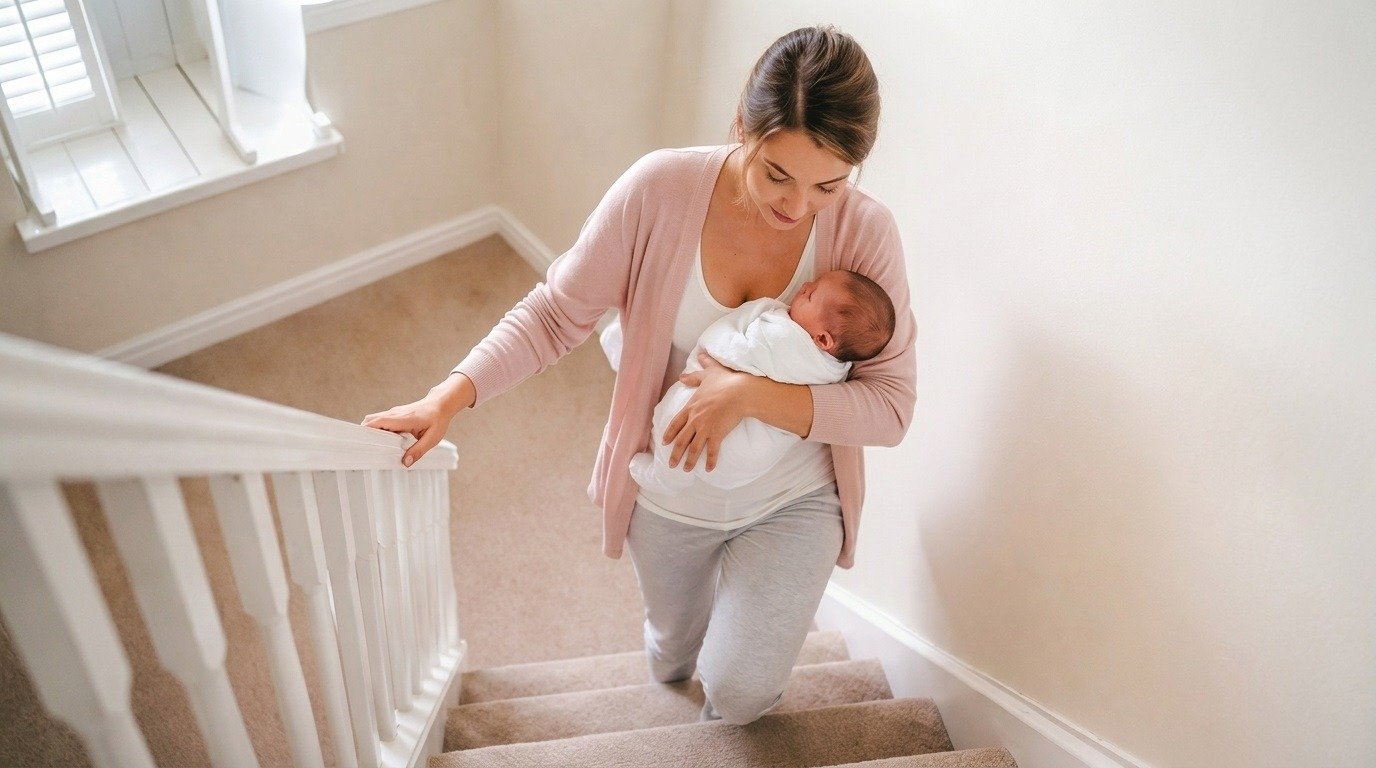
Recovering after childbirth can make everyday activities, like walking up and down stairs, feel more challenging than usual. Whether you delivered vaginally or had a C-section, you may be wondering when you can safely use the stairs, how often you should climb them, and when you need extra help.
The answer depends on your recovery, pain, balance, delivery-related complications, and the instructions from your healthcare professional. Stairs are not automatically off-limits for every new mother, but repeated trips, carrying heavy items, or climbing while dizzy or unsteady can increase the risk of a fall.
In this guide, you’ll learn simple, practical postpartum stair safety tips to help you prevent falls, protect your healing body, and feel more confident moving around your home, whether you’ve had a normal delivery or a C-section.
When Is It Safe to Use Stairs After Childbirth?
Many women can use stairs after childbirth when they are medically stable and feel steady enough to do so. After a C-section, you may need more assistance and a more gradual return to everyday activities because you are recovering from abdominal surgery. After a vaginal delivery, pain, significant tearing, blood loss, dizziness, or other complications may also affect your ability to use stairs comfortably.
Follow your discharge instructions and your clinician’s advice. The distinction between gradual activity and individualized medical advice matters. ACOG notes that postpartum activity should be resumed according to the delivery type and the presence of complications; NHS guidance similarly recommends gradual activity after a C-section and seeking advice when uncertain.
Can You Climb Stairs After Giving Birth?
In many cases, yes, BUT your comfort, balance, recovery, and medical circumstances matter more than a fixed timetable.
Before using stairs, consider these questions:
- Can you stand and walk without feeling faint or unusually weak?
- Can you put weight on both legs and maintain your balance?
- Is your pain controlled enough for you to move comfortably?
- Have you received any specific activity restrictions from your healthcare team?
- Can someone assist you if you need support?
If you feel steady and have no medical restriction, a necessary trip up or down the stairs may be manageable. Postpartum stair safety involves taking slow, supported steps while your body heals after childbirth. New mothers should use handrails, avoid carrying heavy loads (including the baby in early recovery), wear non-slip footwear, and limit stair use during the first few weeks. Extra caution is especially important after a C-section, as weakness, dizziness, and pain can increase the risk of falls.
If you have had a C-section, significant bleeding, a complicated delivery, severe perineal injury, or another postpartum complication, ask your healthcare professional what level of stair use is appropriate for your situation. Do not use a general online timeline as a substitute for your individual recovery instructions.
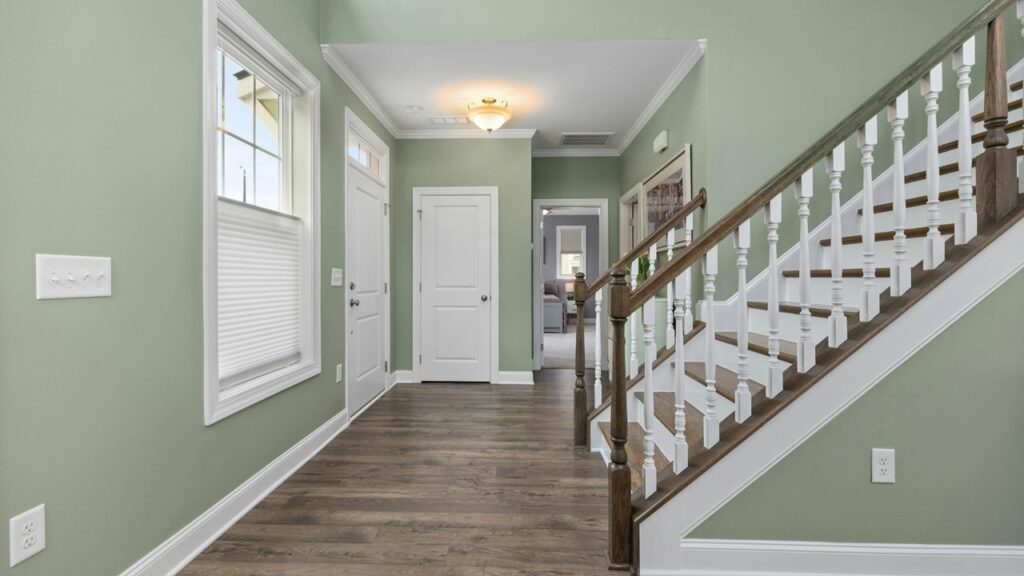
Can You Climb Stairs After a Vaginal Delivery?
After an uncomplicated vaginal delivery, some women feel ready to move around relatively soon, while others need more time to recover. Vaginal birth does not automatically mean that stairs are unsafe, but pain, weakness, dizziness, stitches, perineal tears, or heavy blood loss can affect how safely you move.
Start with what feels manageable rather than trying to meet a deadline. If you feel unsteady, have substantial pain, or have been told to limit activity, ask your healthcare professional for guidance before attempting stairs alone.
Warning Signs Related to Postpartum Stair Safety After Vaginal Childbirth
Pay attention to the red flags. If you notice any of these, pause stair use and consult your doctor.
- Severe dizziness or fainting feeling.
- Heavy bleeding or increased pain.
- Weak or shaky legs.
How Long Should You Limit Stairs After a Vaginal Delivery?
There is no universal rule that everyone must avoid stairs for a specific number of days after a vaginal birth. Your needs may differ depending on how the delivery went and how you feel during recovery.
If you are comfortable, steady, and have no activity restrictions, necessary stair use may be possible. If walking causes increasing pain, you feel weak or dizzy, or your bleeding becomes concerning, stop and seek appropriate medical advice. Ask your clinician for individualized guidance if you had a complicated delivery or significant tearing.
- First 24 to 48 hours: Limit stair use as much as possible.
- First 2 weeks: Follow strict postpartum stair safety tips and minimize movement.
- First 6 weeks: Gradually return to normal activity as your body heals.
How to Use Stairs Safely After Vaginal Delivery?
To climb stairs after vaginal delivery without straining your pelvic floor or risking a fall, you must:
- Use a secure handrail and move at a comfortable pace.
- Take one step at a time if that feels more stable.
- Avoid rushing, running, or trying to carry several things at once.
- Reduce unnecessary trips when you are exhausted.
- Keep the steps dry, clear, and well lit.
- Squeeze your glutes gently with each step, this helps stabilize your pelvis.
- If you feel a pulling or sharp pain in your perineum, stop.
- Go slower. Or ask someone to bring you what you need.
If you experience new or worsening symptoms, do not try to push through them simply to complete a trip upstairs.
Postpartum Stairs Safety for First Week at Home: A Day‑by‑Day Guide
Let’s get practical regarding postpartum stair safety tips for the first week. Here’s how to handle postpartum stairs first week home without overdoing it.
- Days 1‑2: Limit to 2‑3 total stair trips per day (toilet, bed, maybe one meal). Have someone bring everything else to you. If you have a two‑story home, pick one floor to live on for these two days.
- Days 3‑5: Add one extra trip per day, but always with someone nearby or on the phone with you. Stop immediately if you feel pulling, sharp pain, or dizziness.
- Days 6‑7: You can start making routine trips but still use the railing every time and carry nothing in your hands except baby (in a carrier). Listen to your body. Pain is a signal to slow down.
By the end of week two, most moms can manage stairs normally. But “normally” still means with caution. Your fall risk remains elevated for at least six weeks.

Can You Climb Stairs After a C-Section?
After a C-section, you are recovering from abdominal surgery as well as childbirth. Getting out of bed, standing upright, and walking may feel uncomfortable at first. Stairs can require extra care because they involve balance, leg strength, and movement around your healing incision.
Some women can use stairs during their recovery when their healthcare team considers it appropriate and they can move safely. Others may need assistance or need to limit stair use temporarily. Your discharge instructions, pain, mobility, and any complications should guide your decisions.
If stairs are unavoidable at home, ask your healthcare team how to manage them safely before discharge. Have someone nearby for support when needed, use the handrail, and avoid rushing or carrying bulky items. Do not attempt stairs alone if you are dizzy, faint, unusually weak, or unable to walk steadily. Some moms feel ready at day 10. Others need a full three-week recovery. And that’s completely normal.
When Can You Start Climbing Stairs After a C-Section?
There is no single start day that is right for every person after a C-section. Your ability to use stairs depends on your recovery, mobility, pain control, and any instructions or restrictions from your surgical team.
Follow the advice you received before leaving the hospital. If you are unsure whether you can manage the stairs at home, contact your maternity team or clinician rather than guessing. If you have difficulty walking, worsening pain, or symptoms that make you feel unsafe, ask for help instead of attempting the stairs.
How Long Should You Avoid Stairs After a C-Section?
Most importantly, do not assume that every woman needs to avoid stairs for a fixed number of days or that everyone can resume normal stair use on the same day.
Your clinician may recommend limiting unnecessary trips while you recover, especially if movement is painful or you have complications. Ask when you can safely resume your usual activities based on your specific recovery. Increase activity gradually and stop if movement causes significant pain, dizziness, or other concerning symptoms.
A Timeline that Feels Real for Postpartum Stair Safety After C-Section
- Week 1: No stairs at all unless absolutely necessary (like a single trip home from the hospital). Have someone help you.
- Week 2: Maybe 1 trip up and 1 trip down per day, with railing, no baby in arms.
- Week 3 and 4: You can try 2 to 3 trips per day, still using the railing, still taking it slow. You can start carrying the baby if you feel completely stable.
- Week 6+: Most moms are back to normal stair use, but may still feel a little tugging. That’s normal, your insides are still healing for up to six months.
Remember, your recovery is not a race, and there is no universal stair schedule for every new mother after a C-section. In the first days at home, prioritize your discharge instructions, assistance when needed, and essential trips rather than repeatedly climbing stairs to meet a timetable.
As your recovery progresses, discuss increasing activity with your healthcare professional, especially if stairs remain painful or difficult. If your home has multiple floors, ask before discharge how to plan essential movement between levels and what support you may need.

Why Can Stairs Feel Difficult After a C-Section?
- Incision discomfort: Bending, standing, and moving your trunk may feel uncomfortable while your abdomen heals. They cut through seven layers of tissue. Your core muscles, the ones that help you lift your legs and keep you balanced, are weak and healing.
- Reduced stamina: Surgery, disrupted sleep, and blood loss can leave you tired or weak.
- Balance and mobility: Pain or stiffness can affect how confidently you step and shift your weight.
- Medication effects: Some medicines can cause drowsiness or dizziness.
- Carrying your baby: Holding a baby or lifting heavier items after C-section while using stairs can make it harder to hold the handrail and respond if you lose balance.
Climbing stairs engages your abs, your pelvic floor, and your incision site. Do it too soon or too often, and you might feel pulling, sharp pain, or even slows down your healing. But the good news is, stairs aren’t forbidden, they just need a game plan.
How to Go Up and Down Stairs More Safely After a C-Section
When you get the “okay” from your doctor, follow these rules:
- Go slow. One step, pause, next step.
- Lead with your strong leg going up. Hold the railing with one hand and keep your other hand free (not holding the baby yet ask your partner to carry the baby for the first week of stairs).
- Go down backwards? Some moms find it easier to go down stairs backward, especially early on. It uses different muscles. Try it if forward feels too strained.
- Limit to once or twice a day. If you forget your phone upstairs? Ask for help. Your motto of resting after C-section helps your incision heals best.
When to Stop and Call Your Doctor?
Listen to your body, it will tell you the truth. Stop stair climbing and call your provider if you feel:
- Sharp or burning pain near your incision.
- Any pulling that feels like “ripping”.
- Dizziness or feeling like you might fall.
- Increased bleeding or fluid from your incision.
These are not signs of weakness. They’re signs that your body needs more time. And that’s okay.

11 Postpartum Stair Safety Tips Every New Mom Should Follow
Postpartum stair safety tips sound simple, but in the haze of newborn life, they’re easy to forget. Tape this list to your staircase wall for the first two weeks. These tips are essential for preventing accidents and protecting your recovery:
- Take stairs slowly and avoid rushing: Move one step at a time, there’s no need to hurry.
- Always use handrails: Handrails are your best support system during recovery. Hold a secure rail whenever possible to improve stability.
- Avoid carrying heavy items: In early days, even carrying your baby on stairs should be minimized if possible.
- Wear non-slip footwear: Choose shoes or slippers that fit well and do not slide easily. Avoid slippery socks or loose slippers.
- Keep stairs dry and clutter-free: Wet or messy stairs are a major hazard. Remove shoes, toys, laundry, and other trip hazards.
- Use proper lighting: Make sure each step and landing is easy to see. This is especially important for night-time movements.
- Ask for help: Don’t hesitate. Get help when you need it. Have another adult nearby if you are weak, sore, or uncertain about your balance. Your safety matters more than independence right now.
- Limit stair use in early recovery: Plan essential trips. Keep supplies you need regularly on the floor where you spend most of your time when practical.
- Strengthen your body gradually: Slow movements help rebuild strength safely.
- Be extra careful after a C-section: Your core stability is reduced, making balance harder.
- Listen to your body: If you feel pain, dizziness, or weakness, stop immediately.

Is It Safe to Carry Your Baby on Stairs During Postpartum Recovery?
This is one of the biggest concerns for new moms. Postpartum stair safety tips become even more critical when carrying your baby.
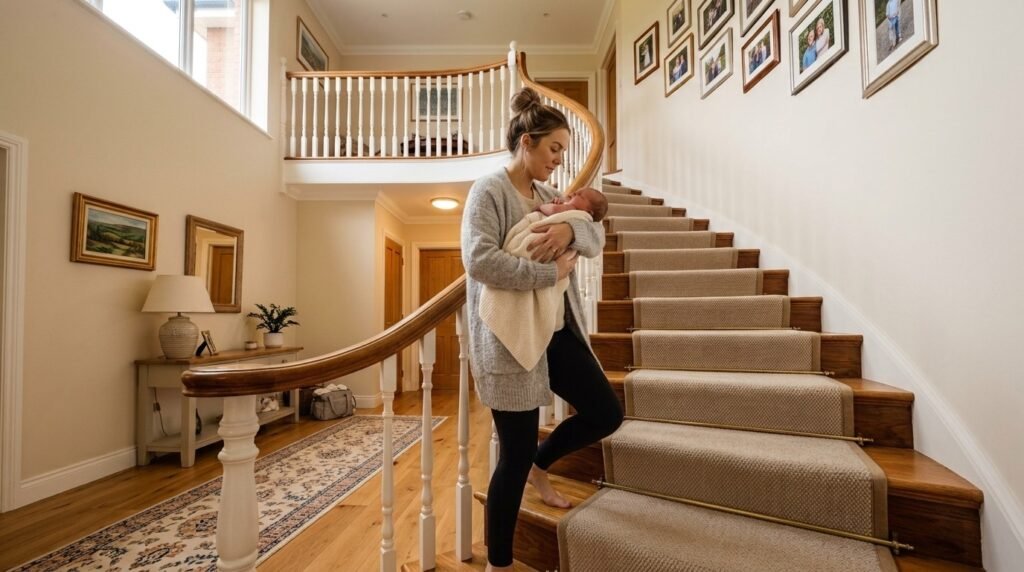
It is so because carrying your newborn on stairs requires extra caution when you are recovering from childbirth. You need to maintain your balance, see the steps clearly, and hold the handrail when possible. Pain, fatigue, dizziness, and medication side effects can make this more difficult.
If you feel weak, sore, dizzy, or unsteady, ask another adult to carry your baby between floors. This is especially important while recovering from a C-section or a complicated delivery.
When you do carry your baby, only do so if you feel stable, can see where you are stepping, and can follow your healthcare team’s instructions. Never rush or attempt to carry your baby and bulky belongings together. If you cannot safely hold the handrail or maintain your balance, do not carry the baby on the stairs.
Planning ahead can help: keep diapers, wipes, feeding supplies, and other essentials on the floor where you spend most of your time, so you do not need to make unnecessary trips.
- Safe positions to hold your baby: Hold your baby close to your chest with one hand free for support.
- When to avoid carrying your baby: If you feel dizzy, weak, or unstable, don’t risk it.
- Use support while holding your newborn: Always use a handrail or ask someone to assist you.
Simple Home Modifications to Make Stairs Safer
A few simple changes can make long-term postpartum stair safety and overall recovery. Make your home work for you:
- Keep a clear route: Move shoes, baskets, toys, and loose items away from the stairs.
- Check the lighting: Use bright, reliable lighting at the top and bottom of the staircase.
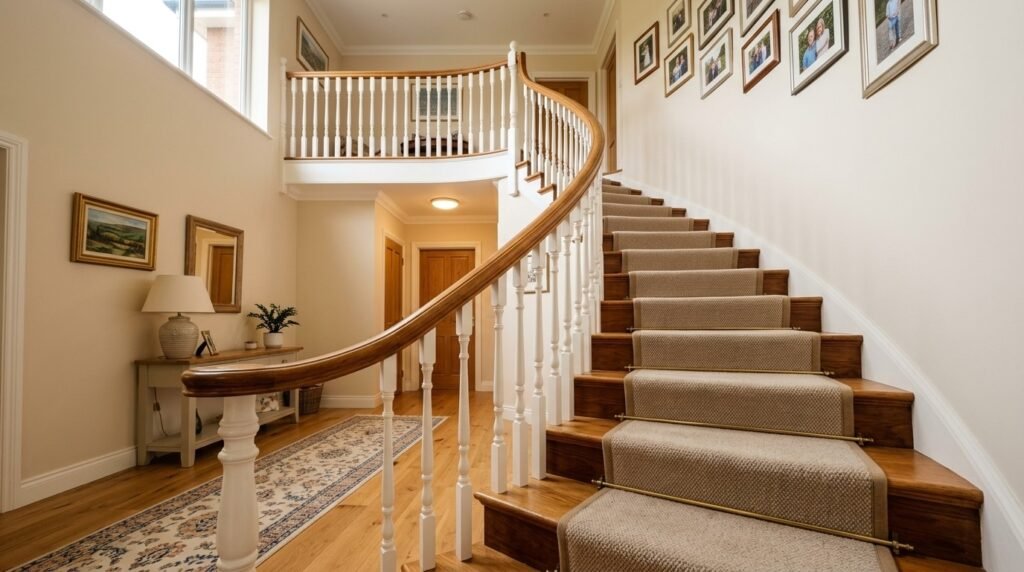
- Secure loose rugs: Remove or properly secure mats that could slide or curl at the edges.
- Use a sturdy handrail: If the staircase lacks a reliable handrail, arrange for the issue to be addressed before relying on the stairs.
- Keep frequently used supplies nearby: Setting up a safer postpartum bedside area keeps you safe and comfortable. Store essentials on the main floor where you rest, feed your baby, and recover.
- Arrange help with household tasks: Ask family or friends to carry laundry, groceries, and other loads between floors.
Common Mistakes New Moms Make Related to Postpartum Stair Safety
Even small mistakes can lead to falls. Follow your postpartum stair safety tips carefully. Avoid these:
- Rushing while multitasking.
- Ignoring fatigue.
- Carrying too much weight.
- Skipping support.
When Should You Stop Using Stairs and Seek Medical Help?
Stop climbing and move to a safe place where you can sit or get assistance if you feel dizzy, faint, unusually weak, or unable to keep your balance. Do not continue up or down the stairs just to finish the trip.
Contact your healthcare professional promptly if you have worsening pain, a concerning change in bleeding, a C-section incision that becomes increasingly red or swollen, or symptoms that are new or getting worse.
Seek urgent medical care for warning signs such as:
- Heavy vaginal bleeding, particularly bleeding that soaks a pad in an hour.
- Chest pain or difficulty breathing.
- Fainting or severe, persistent dizziness.
- Severe or worsening abdominal pain.
- A severe headache or changes in vision.
- One-sided leg pain or swelling.
- Fever or signs of infection, including pus or worsening redness around a surgical incision.
Do not assume that these symptoms are caused by climbing stairs. Some can indicate serious postpartum complications and need prompt medical assessment. If symptoms are severe or life-threatening, contact emergency services.
When in doubt, contact your maternity team or healthcare professional and explain your symptoms, delivery type, and recovery stage.
Frequently Asked Questions: Postpartum Stair Safety
When can I climb stairs after normal delivery?
You can usually start climbing stairs around 1 to 2 days after a normal delivery, but it’s best to limit it to once or twice a day and take it very slowly during the first week.
How many days I need to avoid stairs after C-section?
Avoid unnecessary stairs for the first 2 weeks (14 days) after a C-section, limiting to 1 to 2 slow trips per day.
Can climbing stairs affect stitches after delivery?
Yes, excessive strain can slow healing, especially after a C-section.
Can I climb stairs after a C-section?
Some women can use stairs during recovery when they are medically stable and can move safely. Because a C-section involves abdominal surgery, you may need assistance and may need to limit unnecessary trips. Follow your discharge instructions and ask your healthcare professional if you are unsure.
Can I climb stairs after a normal or vaginal delivery?
Many women can use stairs after an uncomplicated vaginal delivery when they feel steady and have no medical restrictions. Pain, significant tearing, blood loss, weakness, or complications can change what is safe for you. Start cautiously and ask your clinician if you are unsure.
Should I carry my baby while climbing stairs postpartum?
Avoid carrying your baby on stairs if you feel weak, dizzy, sore, or unsteady. Ask another adult to carry the baby if you cannot safely maintain your balance or hold the handrail. Your safety and your baby’s safety come first.
How long should you avoid stairs after giving birth?
There is no universal number of days that every new mother must avoid stairs. Your recovery, delivery type, pain, mobility, complications, and clinician’s instructions determine what is appropriate. If you feel dizzy, weak, or unsteady, do not attempt stairs without help.
What’s the safest way to climb stairs after a C-section?
Always hold the handrail for support, go one slow step at a time, and make sure the stairs are well-lit so you can see your footing clearly. Many moms find it easier to walk up and down sideways at first.
Can climbing stairs cause damage to my C-section incision?
It’s unlikely, but being cautious is key. The risk isn’t that your stitches will tear open, but doing too much too soon can increase pain, slow down your healing, and lead to setbacks. Start slow and stop if you feel any pulling or sharp pain.
How long after a C-section can you go up and down stairs?
Avoid frequent stair climbing for the first 2 to 3 weeks. If necessary, do it slowly and with support to prevent C-section healing mistakes. Can I lift my baby after cesarean delivery? Yes, but only your baby.
Is it safe to use stairs at night?
Only if you have lights on. Never walk stairs in the dark, not even to a crying baby. Install nightlights on every landing.
When can I start climbing stairs after a C-section?
There is no single start day for everyone. Follow the instructions from your surgical or maternity team and consider whether you can walk and balance comfortably. If you have pain that makes movement difficult, dizziness, or other concerning symptoms, seek advice before attempting stairs.
Is it bad to go up and down stairs after giving birth?
Not necessarily. Stair use is not automatically harmful after childbirth, but repeated trips may be tiring or uncomfortable during recovery. Use the handrail, avoid rushing, and reduce unnecessary trips if you are sore or exhausted. Follow any activity restrictions from your healthcare professional.
Summary: Postpartum Stair Safety Tips
Your body has done something incredible and now it deserves patience, care, and gentle support. Following these postpartum stair safety tips can help you avoid unnecessary risks while you heal and adjust to life with your newborn. Take things one step at a time. And remember, it’s okay to ask for help. Your future, well‑rested self will thank you.
After a vaginal delivery, consider pain, weakness, dizziness, and any delivery complications. After a C-section, follow your surgical team’s guidance and take extra care while your abdomen heals.
Use the handrail, keep steps clear and well lit, avoid carrying bulky items, and ask for help if you feel unsteady. You can also reduce unnecessary trips by keeping your recovery and baby-care essentials close to where you spend most of your time.
There is no single number of days that is right for every new mother. Listen to your body, follow your healthcare professional’s advice, and seek medical help for concerning postpartum symptoms. A gradual, supported approach is safer than pushing yourself to meet an arbitrary timeline.
If you found this helpful, share it with another new mom who might need these postpartum stair safety tips too. Read our guide: Postpartum Home Care Checklist and stay connected for more helpful articles.
4 Responses
[…] C-section mama who needs it.Drop a comment below and do read more useful articles from this site: Postpartum Stair Safety Tips, Postpartum Home Hazards, Postpartum Home Care Checklist. I’d love to hear what’s working for […]
[…] read more useful articles from this site: Safe lifting after C-Section, Postpartum Stair Safety Tips, Postpartum Home Hazards, Postpartum Home Care Checklist, and stay connected for […]
[…] read more useful articles from this site: Best Resting Positions for Postpartum Healing at Home, Postpartum Stair Safety Tips, Postpartum Safe Lifting Techniques and stay connected for […]
[…] nightstand means safer nights for both mama and baby. Do read more useful articles from this site: Postpartum Stair Safety Tips, Postpartum Home Hazards, Postpartum Home Care Checklist and stay […]