
Finding Comfort After Birth: The Best Resting Positions for Postpartum Healing at Home
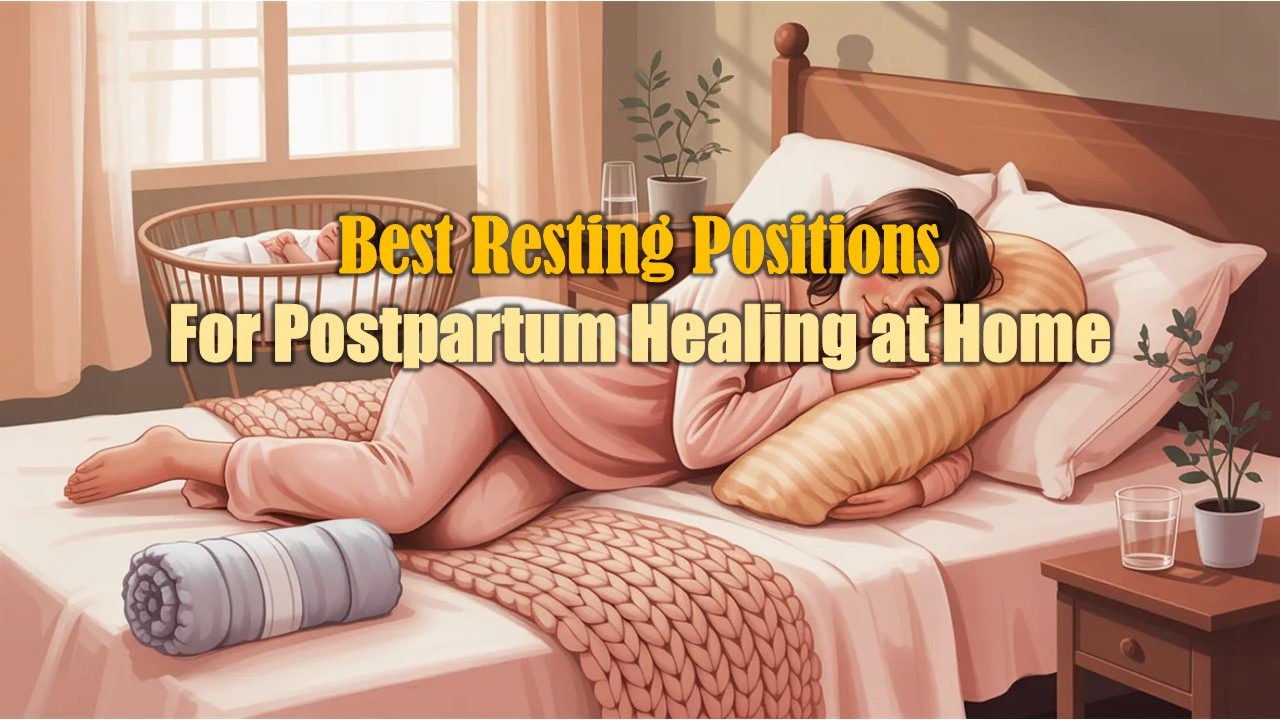
Your body goes through a major physical and emotional transition after childbirth, and even simple movements like sitting, lying down, or getting out of bed can suddenly feel uncomfortable. Whether you had a vaginal delivery or a C-section, the way you rest during the postpartum period can make a big difference in how supported, comfortable, and healed your body feels.
Many new moms focus on baby care first and forget that proper rest is also an important part of postpartum recovery. The right resting positions can help reduce pressure on sore muscles, ease swelling, improve sleep quality, and support gentle healing at home. Small changes in how you sit or sleep may also help with back pain, pelvic discomfort, stitches, and overall fatigue.
In this guide, you’ll discover the best resting positions for postpartum healing at home to relax safely during early recovery. These simple postpartum recovery tips can help new mothers feel more comfortable while supporting a smoother healing process.
What are the Best Resting Positions for Postpartum Healing at Home?
The best resting positions for postpartum healing at home are side-lying with pillow support, semi-reclined resting, elevated leg positions, and supported sitting positions. These postpartum recovery positions help reduce pressure, improve comfort, ease swelling, support pelvic healing, and promote better rest after childbirth. New moms recovering from vaginal birth or C-section may benefit from using pillows for extra back, hip, and abdominal support during recovery.
Why Your Resting Position Matters More Than You Think?
After childbirth, your body needs time to repair muscles, tissues, and joints that worked hard during pregnancy and delivery. The way you position your body during rest can either reduce discomfort or make healing feel more difficult.
Proper postpartum resting positions help:
- Reduce pressure on sore areas
- Support pelvic floor healing
- Ease lower back discomfort
- Improve circulation
- Reduce swelling in legs and feet
- Support better sleep
- Make breastfeeding and bonding easier
- Reduce pressure on sore areas
How Proper Rest Supports Postpartum Healing?
Rest gives your body the chance to repair itself. During the postpartum period, muscles around the abdomen, pelvis, hips, and back often feel weak or strained. Choosing supportive positions can help reduce tension and avoid extra pressure on healing tissues.
For mothers recovering from stitches, tearing, or surgery, proper positioning may also help reduce discomfort while sitting or sleeping.
Common Postpartum Discomforts New Moms Experience
Many women experience:
- Perineal soreness
- Swelling
- Back pain
- Pelvic pressure
- C-section incision tenderness
- Breastfeeding-related neck and shoulder strain
- Exhaustion and body aches
The best resting positions for postpartum healing at home can help ease these common recovery challenges naturally.
Vaginal Birth vs. C-Section Recovery Needs
Recovery needs can vary depending on the type of delivery.
- After vaginal birth, many moms feel soreness around the pelvic area and stitches. Side-lying and cushioned sitting positions often feel more comfortable.
- After a C-section, positions that reduce abdominal strain usually work best. Semi-reclined resting and pillow-supported side sleeping can help protect the incision area.
Best Resting Positions for Postpartum Healing at Home
The Supported Side-Lying Position
If you only remember one position from this article, make it this one. Side-lying with proper support is arguably the best resting positions for postpartum healing for new moms who are also breastfeeding or bottle-feeding at night. It allows you to rest your entire body while feeding your baby.
How to Do the Supported Side-Lying Position?
Lie on your left side (good for digestion) with your head on a firm pillow. Bend your knees and place a thick pillow between your thighs and another pillow behind your back for stability. Your bottom arm can stretch out under your pillow. Bring your baby to your breast (or prop a bottle nearby), and ensure your spine is straight—not curled like a shrimp.
Why it works?
This position takes pressure off your perineum (great after a vaginal tear or episiotomy) and keeps your pelvis neutral. For C-section moms, the pillow between your knees prevents your upper leg from pulling on your lower abdominal muscles. Many physical therapists agree this is one of the best resting positions for postpartum healing because it also encourages lymphatic drainage, reducing swelling in your legs and vulva.
The Semi-Reclined “Zero Gravity” Position
Have you ever laid back in a recliner or adjustable bed and felt your whole body sigh? That’s what we’re aiming for here. This is one of the best resting positions for postpartum healing when you need to rest but also want to keep an eye on a napping baby on your chest.
How to Do the Semi-Reclined “Zero Gravity” Position?
Prop yourself up on your bed or couch using a wedge pillow or stacked firm pillows so your torso is at a 30- to 45-degree angle. Your knees should be bent with a pillow under them, and your feet flat on the bed. Imagine you’re in a zero-gravity chair—hips slightly higher than knees, chest open.
Why it works?
For moms who had a C-section, this position avoids direct pressure on your incision while keeping your abdominal muscles relaxed. For vaginal birth moms, the slight elevation reduces pelvic congestion and helps hemorrhoids (yes, we’re talking about those) shrink faster. This is consistently ranked among the best resting positions for postpartum healing because it also improves breathing and reduces reflux—common after pregnancy.
The Supine Position with Knees Bent
Lying on your back gets a bad rap in late pregnancy, but after birth? It can be wonderful—with one crucial modification. Flat on your back without support is not good. But supine with knees bent and supported is absolutely one of the best resting positions for postpartum healing.
How to Do the Supine Position with Knees Bent?
Lie on your back with a thin pillow under your head. Bend your knees so your feet are flat on the bed, hip-width apart. Place a rolled towel or small pillow under your knees to maintain a slight bend, and another pillow under your ankles if they don’t rest comfortably.
Why it works?
This position allows your pelvic floor to completely relax—no muscle guarding, no clenching. It also gently lengthens your hip flexors, which get tight from hours of sitting while nursing. For diastasis recti recovery, keeping your knees bent ensures your rectus abdominis muscles aren’t pulling apart. I’d argue this is one of the most underrated best resting positions for postpartum healing because it’s so simple, yet so effective.
The Elevated Prone with Pillow Cascade (Yes, You Can Lie on Your Stomach)
Many moms miss lying on their belly, and after the first few weeks (once your incision is healed or your lochia has lightened), this becomes one of the best resting positions for postpartum healing for realigning your pelvis. Only attempt this after your healthcare provider has cleared you (usually 3-4 weeks postpartum). If you had a C-section, wait until your scar feels strong—typically 6 weeks.
How to Do the Elevated Prone with Pillow Cascade
Lie face down on your bed. Place a series of pillows or a long body pillow from your ribcage down to your pubic bone, leaving space for your breasts if you’re lactating (to avoid mastitis). Turn your head to one side. Your hips should be squared, not tilted.
Why it Works?
This position gently stretches your back and counteracts the forward-hunched posture of caring for a newborn. It also helps your uterus return to its anteverted (forward-tilted) position. For moms with coccyx (tailbone) pain from birth, this is actually one of the best resting positions for postpartum healing because it takes all pressure off the tailbone entirely.
The Supported Seated Recline
Sometimes you need to rest but also need to be upright—to burp a gassy baby, to eat a sandwich, or to simply watch a show without falling asleep. The supported seated recline is one of the best resting positions for postpartum healing for daytime recovery.
How to Do the Supported Seated Recline?
Sit in a firm armchair or at the head of your bed with a back support (a nursing pillow works well). Your hips should be higher than your knees—use a footstool or stack of books under your feet. Place a small rolled towel in the small of your back. Lean back slightly, not slumped forward.
Why it works?
So many new moms sit on super-soft couches, sinking into a “C” curve that collapses the pelvic floor and strains the lower back. This upright-but-reclined position keeps your pelvis in a neutral tilt while allowing your abdominal muscles to rest. Physical therapists list this among the best resting positions for postpartum healing because it also promotes healthy bowel movements (crucial for preventing postpartum constipation).
The All-Fours Rest (Short but Powerful)
Rest doesn’t always mean lying down. Sometimes the best resting positions for postpartum healing involve a gentle transition position that decompresses your spine and pelvic floor. The all-fours position (on hands and knees) is exactly that. You can do it after a long day of carrying the baby, or whenever you feel lower back ache. Set a timer—it’s so comfortable you might fall asleep (and that’s okay!).
How to do it?
Come onto your hands and knees on a padded surface (yoga mat on carpet or a folded comforter). Place your hands directly under your shoulders and knees under your hips. Let your belly hang naturally—don’t tuck your tailbone. Rest your forehead on a small pillow or stack of books. Stay for 3-5 minutes.
Why it works?
This position takes all gravitational pressure off your pelvic floor, perineum, and C-section scar. It’s especially healing for moms with prolapse symptoms or heaviness “down there.” I consider this one of the best resting positions for postpartum healing because it also gently closes the diastasis recti by encouraging transverse abdominis engagement without crunches.
How to Get In and Out of These Positions Safely?
You’ve just learned the best resting positions for postpartum healing—but getting into them is half the battle. After birth, your core is weak, and sudden movements can cause pain or injury.
- Always use the log roll technique:
- From lying down, bend both knees.
- Roll onto your side using your arm to push.
- Swing your legs off the bed while pushing your torso up with your hands.
- Avoid any sit-up motion (no crunching forward).
For C-section moms, hold a small pillow against your incision any time you change positions. This splinting technique reduces pulling and is part of using the best resting positions for postpartum healing effectively.
The Ultimate Postpartum Rest Station: Pillow Checklist
You don’t need expensive props. Just gather these items before you lie down:
- 3-4 standard bed pillows
- 1 body pillow (or a rolled blanket)
- 1 small, flat pillow for your head
- 1 nursing pillow (optional but wonderful)
- 2 rolled hand towels
Arrange them near your resting spot. Having everything within reach ensures you’ll actually use the best resting positions for postpartum healing instead of defaulting to whatever is easiest (which is often the worst position).
Common Resting Mistakes That Slow Healing
Let’s be gentle here—no mom shaming. But to truly benefit from the best resting positions for postpartum healing, avoid these common errors:
- Slumping on the couch: Deep couches force your hips below your knees, increasing pelvic pressure.
- Twisting while lying down: Always move your whole body as one unit.
- Lying completely flat without knee support: This hyperextends your lower back.
- Sleeping on your stomach too soon: Wait until bleeding stops and you feel no internal heaviness.
- Using only one position all day: Rotate every 30-60 minutes.
When to Call Your Doctor
Even the best resting positions for postpartum healing cannot fix certain problems. Stop resting and call your provider if you experience:
- Sudden gush of blood or passing large clots
- Severe headache that doesn’t improve with rest
- One leg that is hot, swollen, or painful (could be a DVT)
- Fever over 100.4°F
- Incision that opens, becomes red, or oozes
Frequently Asked Questions About Postpartum Resting Positions
Q1: What is the best resting position after giving birth?
Ans: Side-lying with pillow support is often considered one of the best resting positions after childbirth because it reduces pressure and improves comfort.
Q2: Is it better to lie flat or reclined postpartum?
Ans: Many postpartum moms feel more comfortable in a semi-reclined position, especially after a C-section or difficult delivery.
Q3: How should I sleep to reduce postpartum pain?
Ans: Sleeping on your side with supportive pillows around the knees, hips, or abdomen may help reduce postpartum discomfort.
Q4: Can resting positions affect postpartum healing?
Ans: Yes. Proper resting positions can support circulation, reduce pressure, improve sleep quality, and help the body heal more comfortably.
Q5: What is the best way to sit after childbirth?
Ans: Using supportive cushions, sitting upright, and avoiding hard surfaces can help reduce postpartum discomfort while sitting.
Summary
Healing after childbirth takes time, patience, and plenty of support. While every mother’s recovery experience is different, choosing the best resting positions for postpartum healing at home can help your body feel safer, calmer, and more comfortable during this important transition.
Simple things like side sleeping, pillow support, proper sitting posture, and gentle rest can make everyday recovery feel easier. Most importantly, give yourself permission to rest without guilt. As you care for your new baby, remember that your own healing matters too, even small moments of rest, comfort, and support can help your body recover gently, one day at a time.
If you found this article helpful, consider sharing it with another new mom who may need a little extra comfort and support during her postpartum healing journey.
Do read more useful articles from this site: Safe lifting after C-Section, Postpartum Stair Safety Tips, Postpartum Home Hazards, Postpartum Home Care Checklist, and stay connected for more.

2 Responses
[…] read more useful articles from this site: Best Resting Positions for Postpartum Healing at Home, Postpartum Stair Safety Tips, Postpartum Safe Lifting Techniques and stay connected for […]
[…] to once or twice a day. If you forget your phone upstairs? Ask for help. Your motto of resting after C-section helps your incision heals […]