
Bamboo Baby Plates Vs Plastic Plates for Babies: Which Are Safer for Daily Use? A Parent’s Safety Guide
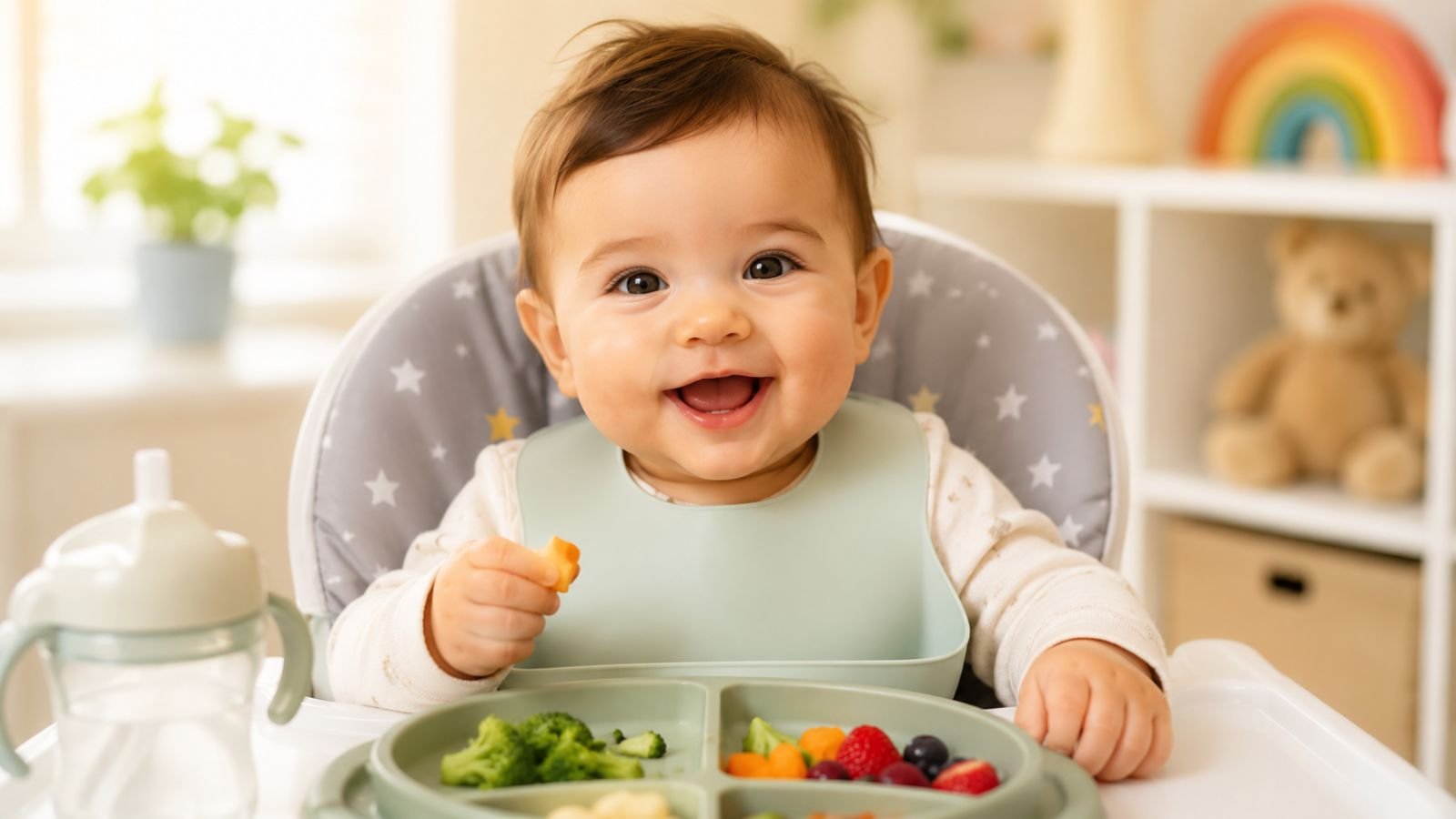
When your baby starts solids, every feeding decision suddenly feels more important. From choosing the right first foods to finding safe bowls, spoons, and plates, it’s natural to want the very best for your little one.
If you’ve been comparing bamboo-baby-plates-vs-plastic-plates, you’re not alone. Many parents are becoming more aware of concerns about BPA, microplastics, and chemical exposure in everyday products. At the same time, bamboo baby plates are often marketed as a natural and eco-friendly alternative, leaving parents wondering which option is actually safer.
The challenge is that the answer isn’t always straightforward. Some plastic baby plates are designed to meet strict safety standards, while some bamboo plates may contain materials that parents aren’t aware of. With so much conflicting information online, it’s easy to feel confused about what belongs on your baby’s highchair tray.
The good news is that you don’t need to be an expert to make an informed decision. In this guide, we’ll compare bamboo baby plates vs plastic plates, explore potential safety concerns, explain what chemicals parents should know about, and help you understand which material may be the safest choice for your baby. By the end, you’ll have a clear understanding of the pros, cons, and practical factors to consider before making your next purchase.
Are Bamboo Baby Plates Safer Than Plastic Plates?
In many situations, bamboo baby plates may be a safer alternative to traditional plastic plates because they can reduce exposure to certain plastic-related chemicals. However, not all bamboo plates are made the same. Some contain melamine-based resins that may raise safety concerns when exposed to high temperatures. The safest choice depends on the product’s materials, manufacturing quality, and how it is used.
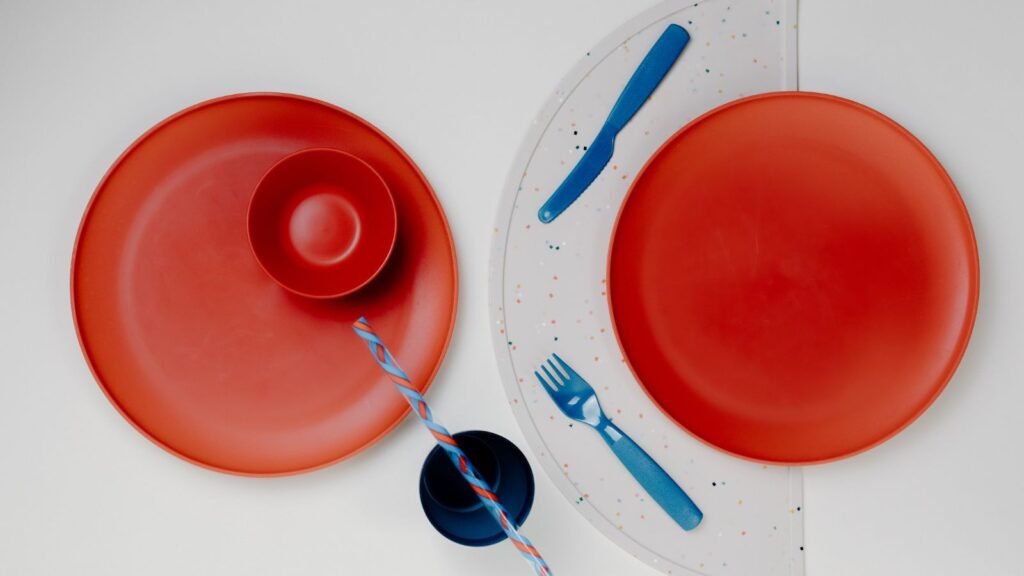
Why the Material of Your Baby’s Plate Matters?
When choosing between bamboo baby plates vs plastic plates, many parents focus on what goes on the plate but overlook the material the plate is made from. While food remains the most important factor in your baby’s nutrition, feeding products can also play a role in overall safety.
How Babies Are More Vulnerable to Chemical Exposure?
Babies are not simply miniature adults. Their bodies are still developing, including their digestive systems, immune systems, and organs. Because of their smaller size, even low levels of certain substances may represent a larger exposure relative to body weight.
The goal isn’t perfection. It’s reducing unnecessary exposure where possible. This is why many parents pay close attention to:
- Food ingredients
- Water quality
- Household chemicals
- Feeding products
What Happens When Food Comes into Contact with Feeding Products?
Whenever food touches a plate, bowl, bottle, or container, there is potential for interaction between the food and the material. For example, a brand-new feeding plate may behave differently than a heavily scratched one that has been used daily for years. Several factors can influence this interaction:
- Heat
- Acidity
- Length of contact
- Wear and tear
- Product quality
Common Safety Concerns Parents Should Know
When comparing bamboo baby plates vs plastic plates, parents often worry about:
- BPA and related chemicals
- Melamine resins
- Microplastics
- Chemical migration
- Durability and breakage
- Heat resistance
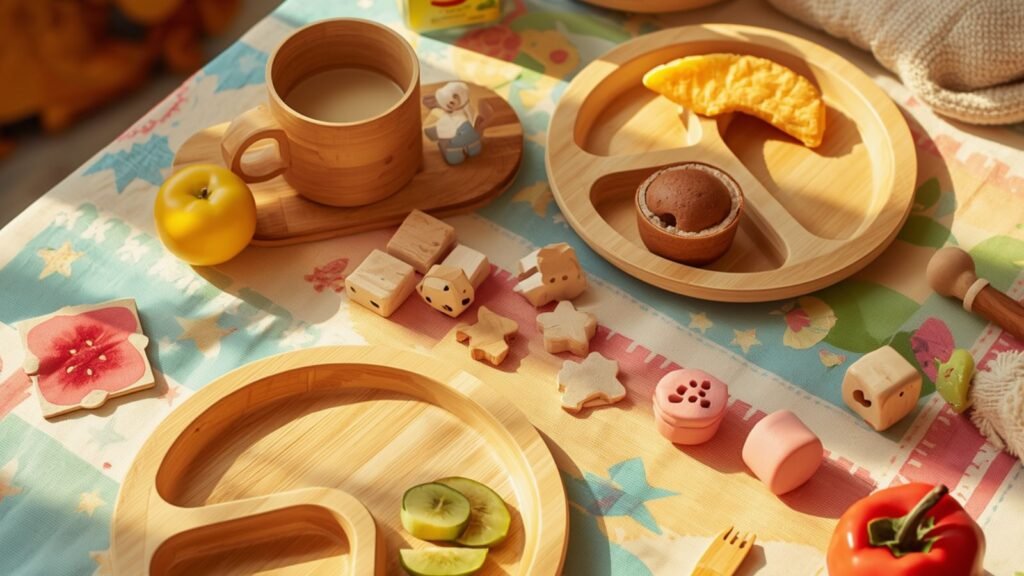
What Are Bamboo Baby Plates Made Of?
Bamboo baby plates vs plastic plates have become increasingly popular among eco-conscious parents. Their natural appearance and environmentally friendly branding make them attractive alternatives to traditional plastic products. However, the term “bamboo plate” can be misleading.
Natural Bamboo Fiber Explained
Most bamboo baby plates are not carved from a single piece of bamboo. Instead, manufacturers typically grind bamboo into fibers or powder and combine those fibers with binding materials to create a durable product. The amount of actual bamboo can vary significantly between brands.
Why Some Bamboo Plates Also Contain Melamine?
One of the most important things parents should understand is that many bamboo dishes contain melamine-based resins. Manufacturers use these resins because bamboo fibers alone generally cannot hold their shape well enough for everyday use. This is why reading product labels carefully is so important.
The resin helps make the plate:
- Stronger
- More durable
- More water-resistant
Are All Bamboo Baby Plates Created Equal?
Not at all. Two products marketed as “bamboo baby plates” may have very different safety profiles. Parents should always review manufacturer information rather than assuming all bamboo products are identical. Some bamboo plates contain:
- High percentages of bamboo fiber
- Plant-based binders
- Food-grade coatings
- Others may contain larger amounts of synthetic materials.
What Are Plastic Baby Plates Made Of?
Plastic baby plates have been a household staple for decades. They are lightweight, affordable, colorful, and often extremely durable.
However, concerns about chemicals in plastics have led many parents to seek alternatives.
Common Types of Plastic Used in Baby Products
Several different plastics may be used in feeding products. Each material has different characteristics regarding durability, flexibility, and heat resistance. These can include:
- Polypropylene (PP)
- Polyethylene (PE)
- Tritan
- Melamine plastics
What Does BPA-Free Really Mean?
Many baby products now advertise themselves as BPA-free. BPA, or Bisphenol A, became widely known because of concerns about its potential effects on human health.A BPA-free label means the product does not contain BPA.However, BPA-free does not automatically mean chemical-free.
Manufacturers may use alternative materials that differ from BPA but still require evaluation for safety.
Other Chemicals Parents Should Be Aware of Regarding Bamboo Baby Plates Vs Plastic-Plates
Parents researching plastic baby plates often encounter terms such as:
- Phthalates
- BPS
- BPF
- Plastic additives
Not all plastics contain these substances, and regulations vary by country. Choosing products from reputable manufacturers with transparent safety testing can help reduce uncertainty.
Bamboo Baby Plates vs Plastic Plates: Safety Comparison
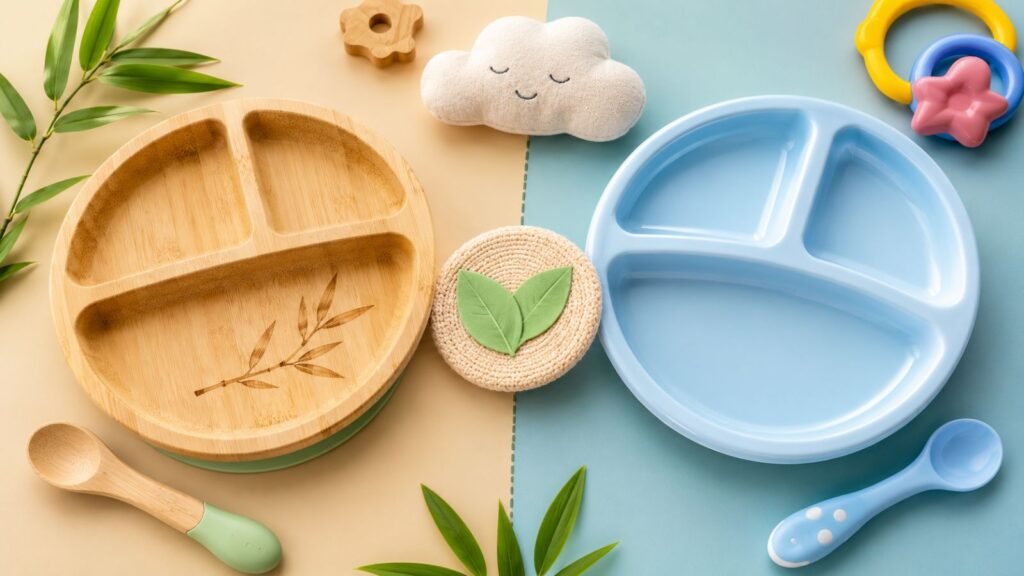
Now let’s compare bamboo baby plates vs plastic plates side by side.
Chemical Leaching Risk
One reason parents choose bamboo baby plates is concern about chemical leaching from plastics. However, bamboo plates that contain melamine resins may also present concerns under certain conditions, particularly when exposed to very high temperatures.
Neither material is entirely free from considerations.
The safest option often depends on product quality and proper use when making a choice between bamboo baby plates vs plastic plates.
Heat Resistance and Hot Food Safety
Heat is one of the biggest factors affecting feeding product safety. Using products outside their intended temperature range may increase wear and potential material breakdown. Parents should always check whether a plate is:
- Microwave safe
- Dishwasher safe
- Designed for hot foods
Durability and Breakage Risk
Plastic plates generally excel in durability. They can survive countless drops from highchairs without breaking.
Bamboo plates may crack or deteriorate more quickly depending on construction quality and care.
Dishwasher and Microwave Safety
Not all bamboo baby plates are microwave safe.
Similarly, not all plastic baby plates are suitable for microwave use.
Following manufacturer instructions is essential regardless of material.
Environmental Impact
Many parents appreciate bamboo because it comes from a renewable resource.
Plastic products generally have a larger environmental footprint.
However, environmental sustainability and feeding safety are separate considerations, and parents should evaluate both independently related to bamboo baby plates vs plastic plates.
Can Bamboo Baby Plates Leach Chemicals Into Food?
This question is one of the most searched topics among parents when talking about bamboo baby plates vs plastic plates.
What Research Says About Bamboo Dishware?
Research has shown that certain bamboo composite products may release substances under specific conditions, particularly when repeatedly exposed to heat.The exact risk depends heavily on product composition and usage.
The Role of Melamine Resins
When bamboo fibers are mixed with melamine resins, the resulting product behaves differently from natural bamboo.The resin component is often the primary focus of safety discussions.
Situations That May Increase Chemical Migration
Following manufacturer instructions helps minimize these risks. Potential factors include:
- High temperatures
- Repeated microwave use
- Exposure to acidic foods
- Product damage
- Long-term wear
Are Plastic Baby Plates Toxic When Heated?
Many parents ask this question after hearing concerns regarding bamboo baby plates vs plastic plates. The reality is more nuanced.
How Heat Affects Plastic Materials?
Heat can accelerate degradation in some plastics.
This is why products are typically tested and labeled for specific uses.
The Risk of Chemical Migration
Older or damaged plastic products may warrant replacement.. The likelihood of migration depends on:
- Type of plastic
- Temperature
- Duration of exposure
- Product condition
Safe Ways to Use Plastic Baby Plates
- Avoid overheating food directly on the plate unless approved.
- Replace heavily scratched products.
- Follow care instructions.
- Purchase from reputable brands.
Final Verdict: Bamboo Baby Plates Vs Plastic Plates, What’s the Safest Choice?
If you’ve made it this far, you probably realize that the answer isn’t as simple as “bamboo is safe” or “plastic is unsafe.”
The reality is more balanced.
High-quality bamboo baby plates can be an excellent choice for families seeking a more environmentally conscious option. However, parents should understand that many bamboo products contain binding materials such as melamine and may not be suitable for high temperatures.
Plastic baby plates remain popular because they are durable, lightweight, and affordable. Choosing food-grade products from reputable manufacturers and replacing worn items can help address many common concerns.
At the end of the day, your baby’s safety depends less on choosing the “perfect” material and more on selecting quality products, using them correctly, and replacing them when they become damaged.
The best baby plate is the one that helps your child enjoy safe, happy, and stress-free mealtimes while giving you confidence in the products you use every day.
Frequently Asked Questions: Bamboo Baby Plates Vs Plastic Plates
Are bamboo baby plates safe for babies under one year?
Many bamboo baby plates are designed for infants and toddlers. Always review manufacturer recommendations and use the product according to instructions.
Are bamboo baby plates microwave safe?
Not always. Many bamboo composite products should not be microwaved. Check the manufacturer’s guidance.
Can babies eat hot food from bamboo plates?
Some bamboo plates are designed for warm foods, but extreme heat may not be appropriate for every product.
Are plastic baby plates safe for hot food?
Many food-grade plastic plates are designed for normal feeding use. Follow temperature recommendations provided by the manufacturer.
How often should baby plates be replaced?
Replace plates if they become cracked, chipped, heavily scratched, warped, or show signs of deterioration.
Which baby plate material is least toxic?
Safety depends on product quality, materials, manufacturing standards, and proper use rather than a single material category.
Are scratched plastic baby plates safe?
Light wear is common, but heavily scratched or damaged plates should generally be replaced.
Can bamboo plates go in the dishwasher?
Some can, while others cannot. Always follow care instructions supplied by the manufacturer.
Loved this guide? Share it with a fellow parent who’s wondering about bamboo baby plates vs plastic plates. Do read more helpful articles from our site: How to Reduce PFAS Exposure During Pregnancy, Baby Breathing Problems Due to Room Spray. Stay connected for feedback & suggestions.



2 Responses
[…] read more helpful articles from this site: Baby Breathing Problems Due to Room Spray, Bamboo Baby Plates Vs. Plastic Plates, Safe Home Setup for Newborn and stay connected for […]
[…] care tips, explore more helpful articles from this site: Baby Breathing Problems Due to Room Spray, Bamboo Baby Plates Vs Plastic Plates for Babies, Spot Toxic Vs. Safe Bamboo Baby […]