
Are You Safe at Home After Delivery? 10 Postpartum Home Hazards Every New Mom Must Avoid After Childbirth
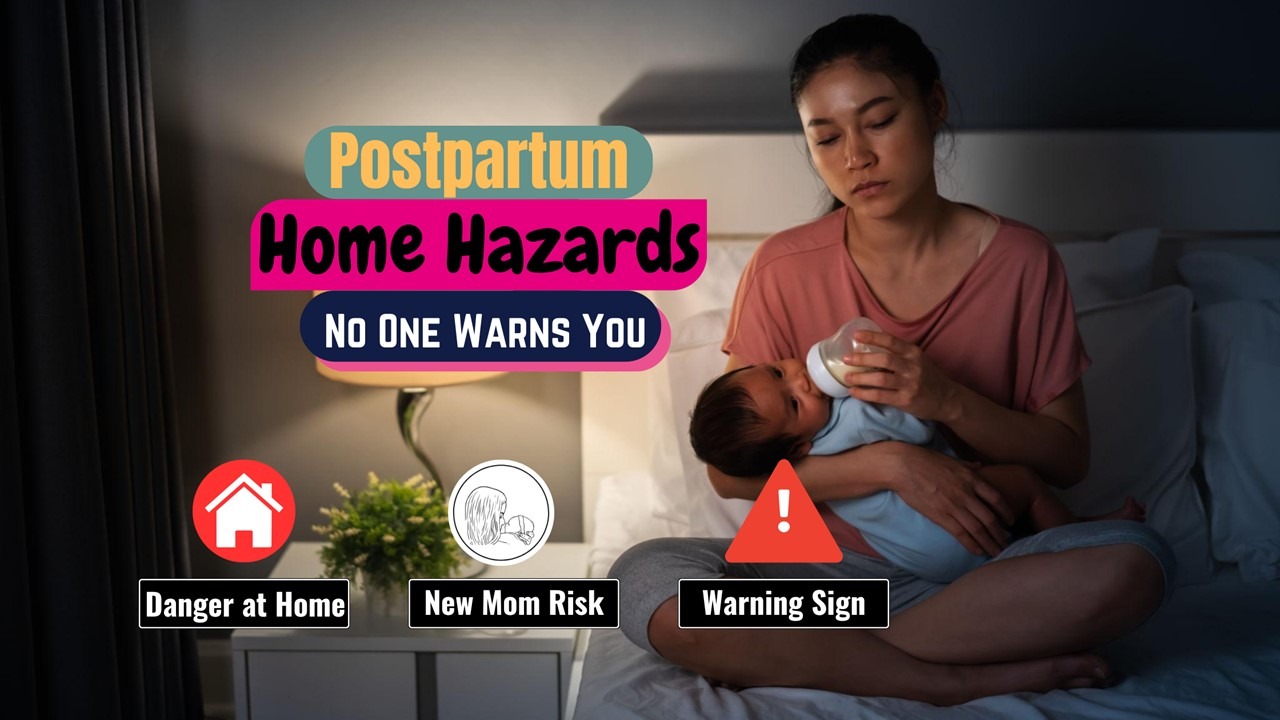
Arriving home along with your newborn baby is one of the happiest and unforgettable moments of your life. But it’s also a time, when your body is healing, your energy is low, and even simple daily tasks can feel distressing.
Many new moms don’t realize that their own home can suddenly become a risky place after childbirth. From slippery floors to lifting mistakes, small hazards can lead to serious injuries especially if you’re recovering from a C-section or dealing with postpartum fatigue and dizziness.
In this guide, you’ll discover the most common postpartum home hazards and simple, practical ways to avoid them, so you can recover safely while caring for your newborn with confidence and safety.
What Are Common Postpartum Home Hazards?
Common postpartum home hazards include slippery floors, poor lighting, cluttered walkways, unsafe stair use and lifting heavy objects too soon. These risks increase due to fatigue, physical weakness, and recovery after childbirth. Creating a safe home setup for mom and newborn baby helps prevent falls, injuries, and complications during postpartum recovery.
Why Postpartum Moms Are More Prone to Home Accidents?
Your realization that postpartum home hazards are dangerous, starts with recognizing how your body changes after childbirth. These factors make everyday situations riskier, increasing your exposure to postpartum home hazards:
- Fatigue & Sleep Deprivation: Constant night feeds reduce alertness.
- Physical Weakness: Healing tissues, especially after C-section.
- Hormonal Changes: Can affect balance and coordination.
- Dizziness: Common due to blood loss or low energy.

10 Hidden Postpartum Home Hazards Moms Should Watch
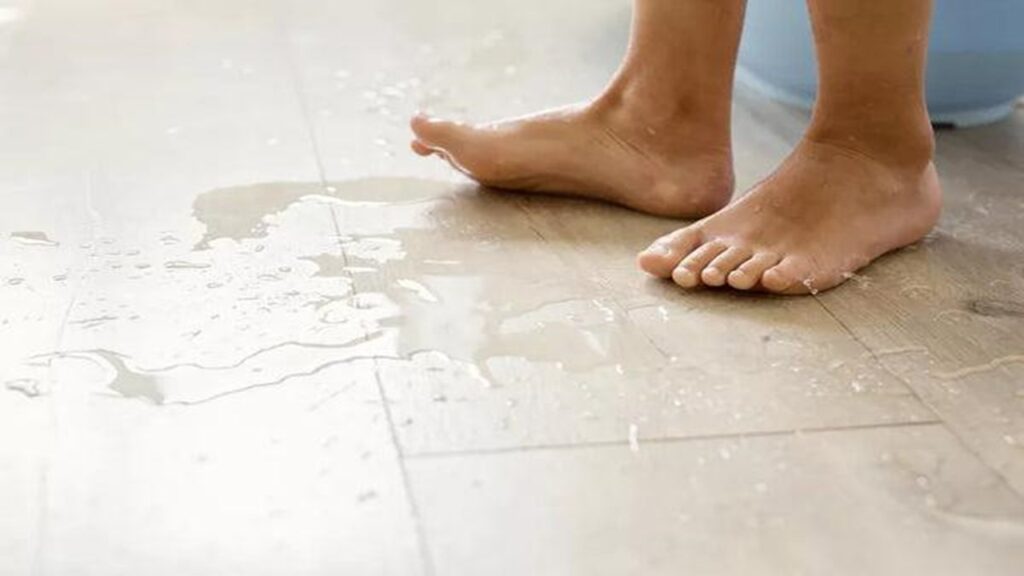
- Slippery Bathroom Floors: Wet tiles are one of the most common postpartum home hazards. Use anti-slip mats and keep towels within reach to prevent falls.
- Cluttered Walkways: Toys, bags, or loose items increase tripping risk. Keep pathways clear, especially when carrying your baby.
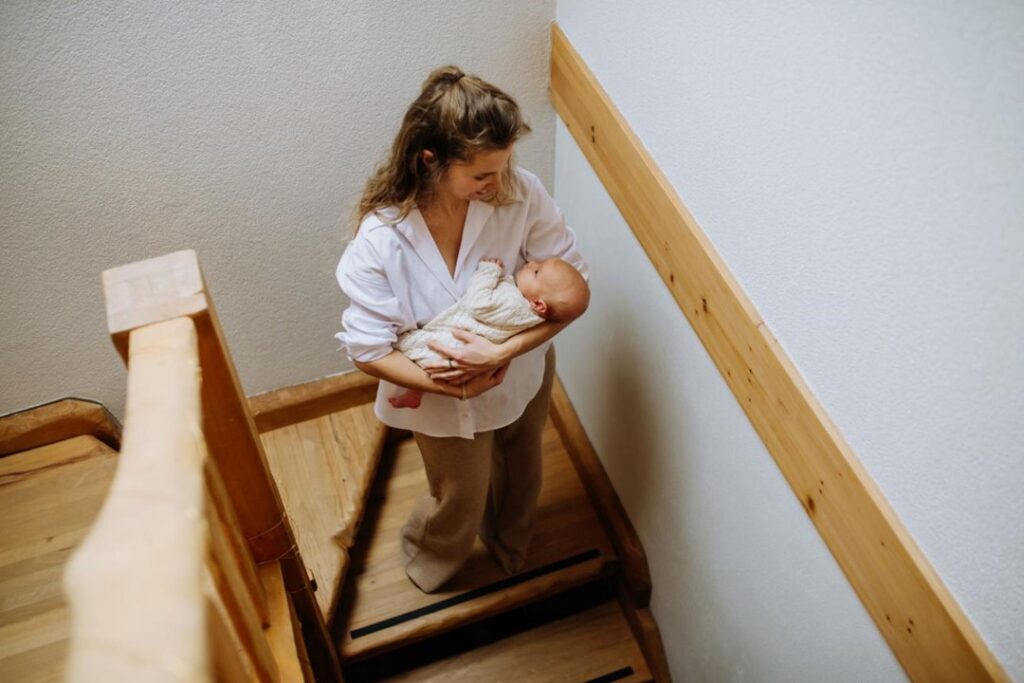
- Unsafe Stair Use: Climbing stairs while holding your baby can be risky. Use railings and avoid rushing, especially if dizzy.
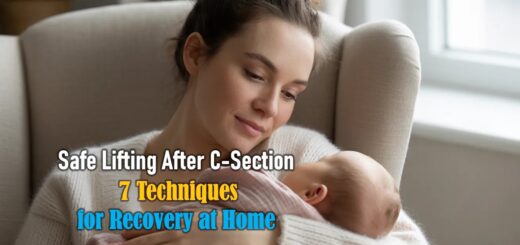
- Lifting Heavy Objects Too Soon: This is a serious postpartum home hazard, especially after C-section. Avoid lifting anything heavier than your baby.
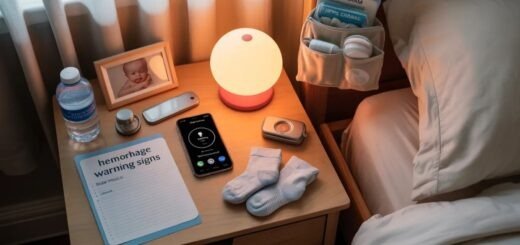
- Poor Lighting at Night: Dim lighting increases fall risk during night feeds. Install soft night lights in key areas.
- Slippery Footwear: Loose or smooth footwear can lead to falls. Wear non-slip, supportive slippers.
- Wet Kitchen Floors: Spills often go unnoticed, making them hidden postpartum home hazards. Clean spills immediately and keep floors dry.
- Overreaching or Bending: Stretching too much can strain healing muscles. Keep essentials within arm’s reach.
- Carrying Baby While Multitasking: Trying to do too much at once increases risk. Focus on one task at a time.
- Ignoring Signs of Fatigue: Exhaustion is one of the biggest contributors to postpartum home hazards. Rest whenever possible and ask for help.
C-Section vs Vaginal Birth: Safety Differences
Both situations increase sensitivity to postpartum home hazards, but the risks vary slightly. Notice the comparison:
After C-Section:
- Avoid stairs frequently.
- No heavy lifting.
- Extra care with movements.
After Vaginal Birth:
- Watch for dizziness.
- Avoid overexertion.
- Focus on gradual recovery.

When to Seek Help
If you experience any of the following signs in your body after childbirth, don’t ignore it. These may be linked to unmanaged postpartum home hazards and require immediate medical attention.
- Severe dizziness.
- Falls or near-falls.
- Increased pain or bleeding.
- Difficulty moving.
FAQ’s About Postpartum Home Hazards
Q1: What are postpartum home hazards?
Ans: Postpartum home hazards are everyday risks in your home that can cause injury after childbirth. These include things like slippery floors, poor lighting, cluttered walkways, and lifting heavy objects too soon. Because your body is still healing, these hazards can be more dangerous than usual.
Q2: Why is my home risky after having a baby?
Ans: Your home can feel riskier after childbirth because you’re often tired, sleep-deprived, and physically recovering. This makes it easier to lose balance or miss small dangers, which increases the chance of accidents.
Q3: How can I make my home safer after giving birth?
Ans: You can make your home safer by keeping floors dry, removing clutter, using night lights, and avoiding heavy lifting. Keeping essential items close to you also helps reduce movement and prevent accidents.
Q4: Is it safe to use stairs after childbirth?
Ans: Yes, but you need to be careful. Always use the railing, move slowly, and avoid carrying too many things at once, especially if you feel tired or dizzy.
Q5: What should I avoid doing at home after a C-section?
Ans: After a C-section, avoid lifting heavy items, climbing stairs frequently, and making sudden movements. These actions can slow your recovery and increase the risk of injury.
Q6: Can being tired increase my risk of accidents at home?
Ans: Yes, being tired can make you less alert and more likely to slip, trip, or fall. Fatigue is one of the biggest reasons new moms experience accidents at home.
Q7: How do I prevent falling at home after having a baby?
Ans: To prevent falls, wear non-slip footwear, keep floors dry, use anti-slip mats in the bathroom, and make sure your home is well-lit—especially at night.
Q8: Is it okay to carry my baby while doing household work?
Ans: It’s best to avoid multitasking while carrying your baby. Focus on one task at a time and make sure your path is clear before moving around.
Q9: What are the most overlooked dangers at home after childbirth?
Ans: Some of the most overlooked dangers include dim lighting at night, clutter on the floor, slippery surfaces, and overexertion due to fatigue.
Q10: When should I see a doctor after a fall postpartum?
Ans: You should see a doctor if you feel severe pain, dizziness, heavy bleeding, or difficulty moving after a fall. It’s always better to be cautious during recovery.
Postpartum Home Safety Checklist
Use this quick checklist to reduce postpartum home hazards:
- Install anti-slip mats in bathroom.
- Keep floors dry and clutter-free to prevent falls.
- Use night lights for visibility.
- Avoid heavy lifting.
- Organize essentials within reach.
- Wear safe footwear.
- Limit stair use if possible.
- Rest frequently.

Conclusion
Your recovery matters just as much as your baby’s care. By identifying and eliminating postpartum home hazards, you create a safer, calmer environment for healing and bonding.
Small changes, like better lighting, clutter-free spaces, and safe movement, can make a big difference. Take it one step at a time, and don’t hesitate to ask for support.
Let’s support more parents together. Comment your feedback, share this article, and subscribe for future safety tips.
4 Responses
[…] a comment below and do read more useful articles from this site: Postpartum Stair Safety Tips, Postpartum Home Hazards, Postpartum Home Care Checklist. I’d love to hear what’s working for you at […]
[…] more useful articles from this site: Safe lifting after C-Section, Postpartum Stair Safety Tips, Postpartum Home Hazards, Postpartum Home Care Checklist, and stay connected for […]
[…] for both mama and baby. Do read more useful articles from this site: Postpartum Stair Safety Tips, Postpartum Home Hazards, Postpartum Home Care Checklist and stay […]
[…] The goal is not to create a sterile environment. It is to reduce relevant airborne pollutants in a practical and sustainable way to create a safe home environment for you and newborn. […]