Is Your Home Safe During Pregnancy? Toxoplasmosis Prevention Checklist

Pregnancy comes a long list of “be careful” warnings. One of the most confusing ones? Toxoplasmosis.
You may have heard things like “stay away from cats” or “don’t eat outside food” but no one really explains what actually matters at home. So let me stop you right here: You do not need to rehome your cat. You do not need to live in a bubble. You just need small and simple habits.
This guide is not a scary lecture. It’s a warm, practical, science‑backed chat about how to keep you and your baby safe without losing your mind.
What is Toxoplasmosis?
Toxoplasmosis is an infection caused by a parasite “Toxoplasma gondii” that can spread through contaminated food, soil, or cat litter. Pregnant women can prevent it by maintaining proper hygiene, avoiding raw meat, washing produce thoroughly, and practicing safe pet care at home.

Why Toxoplasmosis Matters During Pregnancy?
Most healthy adults don’t even realize they’ve had toxoplasmosis caused by Toxoplasma gondii. But during pregnancy, it can affect your baby’s development and can cause problems. But the risk is actually very low if you follow a few easy rules.
Most pregnant women don’t get it. And if you’ve had an indoor cat for years, there’s a good chance you’re already immune (your OB can check with a simple Toxoplasma IgG blood test).
Now Let’s walk through your home, room by room.
How Toxoplasmosis Spreads at Home?
You don’t need to go outside to be at risk, most exposure actually happens inside the home.
- Cat Litter & Pet Waste: The parasite can be present in infected cat feces, especially if the cat goes outdoors.
- Raw or Undercooked Meat: Eating improperly cooked meat is one of the most common sources.
- Unwashed Fruits & Vegetables: Soil contamination can carry the parasite onto produce.
- Contaminated Surfaces: Kitchen counters, cutting boards, and even hands can transfer infection.
Cat Safety During Pregnancy
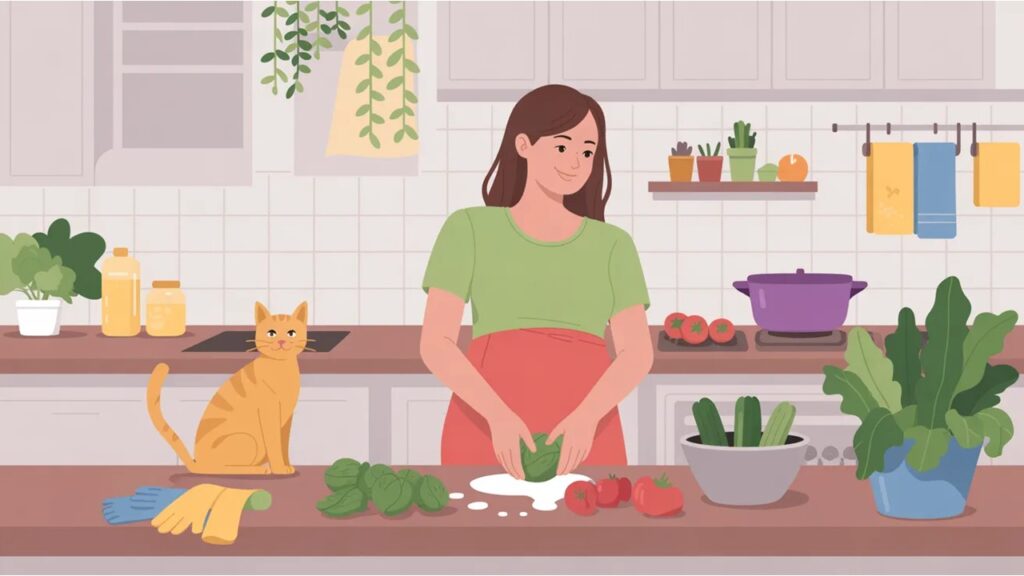
The most common fear: cat poop. Here’s what nobody tells you. Oocysts (the infectious form of the parasite) take 24 to 48 hours to become dangerous after the cat poops.
That means, if you scoop the litter box daily, you are removing the waste before it has time to turn into a risk.
Your action plan Must Be
- Best option: Delegate. Ask your partner or a friend to handle the box for nine months.
- If you must do it yourself: Wear disposable gloves and a simple mask (to avoid dust). Scoop every single day.
- After scooping: Wash your hands with soap and warm water, scrub for 20 seconds.
- Litter box hygiene: Clean the box with hot water and soap weekly.
How to Deal with Stray Cats?
If a stray cat uses your yard, that’s a different story. But your indoor cat who doesn’t hunt mice or eat raw meat? Very low risk. Keep your little cat indoors during your pregnancy, and you’ve already removed 90% of the worry. So, you don’t need to give up your pet. Just be mindful.

Kitchen Safety Rules to Prevent Toxoplasmosis
Here’s a shocker: Undercooked meat and unwashed vegetables are a higher risk for toxoplasmosis than your indoor cat.
Why? Because Toxoplasma gondii loves living in muscle tissue (meat) and can hang out in soil for over a year.
Meat Safety Tips
- Cook to 160°F (71°C): Avoid undercooked or pink meat. Especially important for chicken, beef, and mutton. Use can use a meat thermometer.
- Freeze before cooking: Freeze meat for at least 48 hours before cooking if you want an extra layer of safety (freezing kills the parasite). This is great for wild game or home‑raised meat.
- Watch out for cured meats: Salami, prosciutto, and dry‑cured sausages are not fully cooked. Heat them until steaming (e.g., on a pizza or in a pan) before eating.
Vegetable Safety Tips
Those gorgeous organic carrots? The soil on them may contain oocysts from a stray cat who used the field as a litter box. You need to cook meat well, wash veggies well, and never let raw meat juice touch your salad. Also make sure:
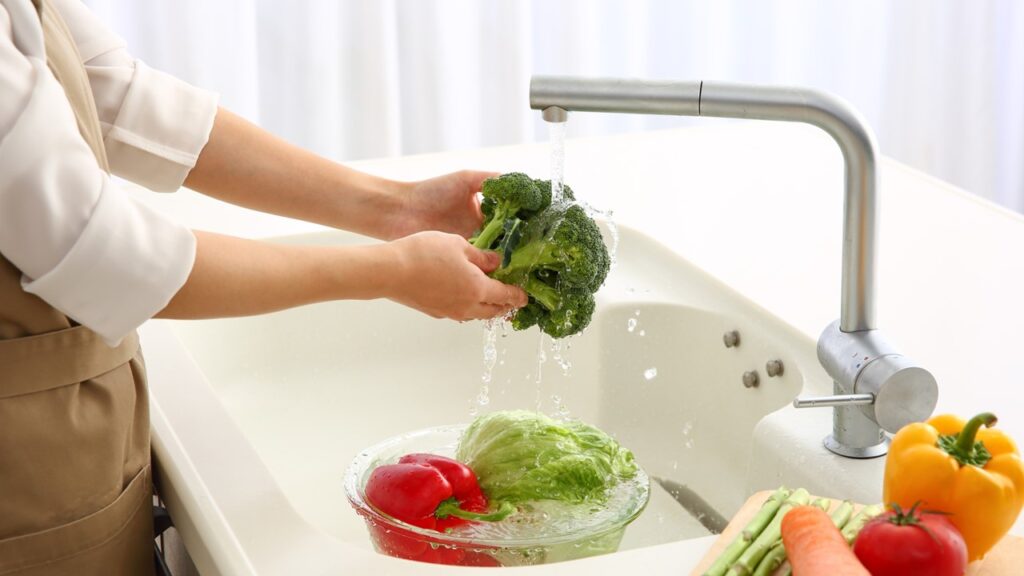
- Wash all produce under running water: For leafy greens and berries, soak them in a bowl of water with 1 tablespoon of vinegar or salt for 5 minutes, then rinse.
- Peel root vegetables (carrots, potatoes, sweet potatoes): Peeling removes the outer layer where oocysts hide.
- Use Separate Cutting boards: Use separate boards for raw meat and vegetables. Wash them with hot soapy water or run them through the dishwasher.
The Garden & Glove Rule (Outdoor Safety)
If you love gardening, as digging in the dirt is therapy and you don’t have to stop it during pregnancy. But, remember, stray cats love soft garden soil too, as their personal bathroom. You need to take some precautions to avoid toxoplasmosis during gardening.
Safe Gardening During Pregnancy
- Wear waterproof gloves: Fabric gloves let moisture (and oocysts) seep through. Rubber or nitrile gloves are best.
- Wear long sleeves and pants: If you’re kneeling or sitting on the soil.
- Wash your hands immediately after gardening: Even before you wipe your forehead or take a sip of water.
- Cover sandboxes when not in use: A simple tarp or lid keeps neighborhood cats out.
How to Take Care of Flower Beds?
You can still plant, weed, and water. Just don’t put your bare hands in the dirt then touch your mouth. That’s the only real risk.

Home Hygiene Tips for Pregnant Women to Avoid Toxoplasmosis
Small habits make a big difference.
- Wash Your Hands: After handling raw food, after touching pets and before eating.
- Clean Surfaces Regularly: Kitchen counters, dining tables, frequently touched areas.
- Use Safe Cleaning Products: Mild, pregnancy-safe disinfectants, avoid harsh chemical exposure
- Laundry Hygiene: Wash pet bedding separately, clean kitchen towels regularly.

Easy Daily Safety Checklist to Avoid Toxoplasmosis
If you have a cat that goes outdoors, try to transition them to indoor‑only during your pregnancy. It’s safer for them (cars, predators) and for you. Here is your simple, judgment‑free routine.
| Task | Done? |
|---|---|
| Litter box scooped daily (ideally by someone else) | ☐ |
| Hands washed after touching cat, soil, or raw meat | ☐ |
| Meat cooked to 160°F (no pink) | ☐ |
| Vegetables washed + root veggies peeled | ☐ |
| Separate cutting boards for meat & produce | ☐ |
| Gardening gloves worn (not just fabric) | ☐ |
| Sandbox covered when kids aren’t playing | ☐ |
FAQs: Safety from Toxoplasmosis During Pregnancy
Q1: Can I kiss my cat while pregnant?
Ans: Yes, absolutely. You cannot get toxoplasmosis from petting, snuggling, or kissing your cat. The only way is to ingest their poop. Unless you’re doing something very unusual, kiss that furry forehead guilt‑free.
Q2: What if I already changed the litter before I knew I was pregnant?
Ans: You’re fine. Many women do. The risk is low with a single exposure. Don’t dwell on it, just start the daily scooping habit now.
Q3: I ate a rare burger last week. Should I panic?
Ans: No. Panic is never helpful. Call your OB and ask for a Toxoplasma IgG and IgM blood test. It will tell you if you’ve ever been exposed (and most adults have, without knowing it). Then let it go.
Q4: Who is at risk for toxoplasmosis?
Ans: People most at risk for toxoplasmosis are pregnant women, unborn babies, and individuals with weakened immune systems.
Q5: What I need to do if I got toxoplasmosis while pregnant?
Ans: Seek immediate care from a obstetrician. Doctor will confirm the infection and start safe treatment (often medications like spiramycin) to protect your baby.
Q6: What is RCOG guideline about toxoplasmosis in pregnancy
Ans: The Royal College of Obstetricians and Gynaecologists (RCOG) advises that routine screening for toxoplasmosis in pregnancy is not recommended; instead, pregnant women should focus on prevention through good hygiene, safe food handling, and avoiding exposure to sources like raw meat and cat litter.
Q7: What is the recommended dose of Spiramycin for toxoplasmosis during pregnancy?
Ans: 1 g (≈3 million IU) orally every 8 hours (total 3 g/day) or as prescribed by a doctor.
Q8: In which trimester of pregnancy is toxoplasmosis highest risk?
Ans: The risk of severe harm from toxoplasmosis is highest in the first trimester, although transmission to the baby becomes more likely in later trimesters.
Q9: Is toxoplasmosis curable in pregnancy?
Ans: Yes, toxoplasmosis can be treated during pregnancy with appropriate medications, and early treatment significantly reduces the risk to the baby.

Summary
Pregnancy already comes with enough worries; you don’t need to add unnecessary fear to the list. You just need to know the three simple rules now:
Daily scoop. Cooked meat. Washed veggies + gloves.
That’s it. No fear, no rehoming your beloved cat. If you’re still anxious, ask your doctor for the blood test. Knowledge is calming. Most women test negative, and that’s fine too. Just follow the checklist above and stay safe.
Read more helpful guides: Introducing Pets to Newborn, Managing Pet Allergies During Pregnancy.
If this guide helped you feel a little calmer & more confident, share it with another mom who might need it too.