
Can Cooling Therapy Reverse HIE Brain Injury? A Parent’s Guide to Therapeutic Hypothermia for HIE in Newborns (2026)
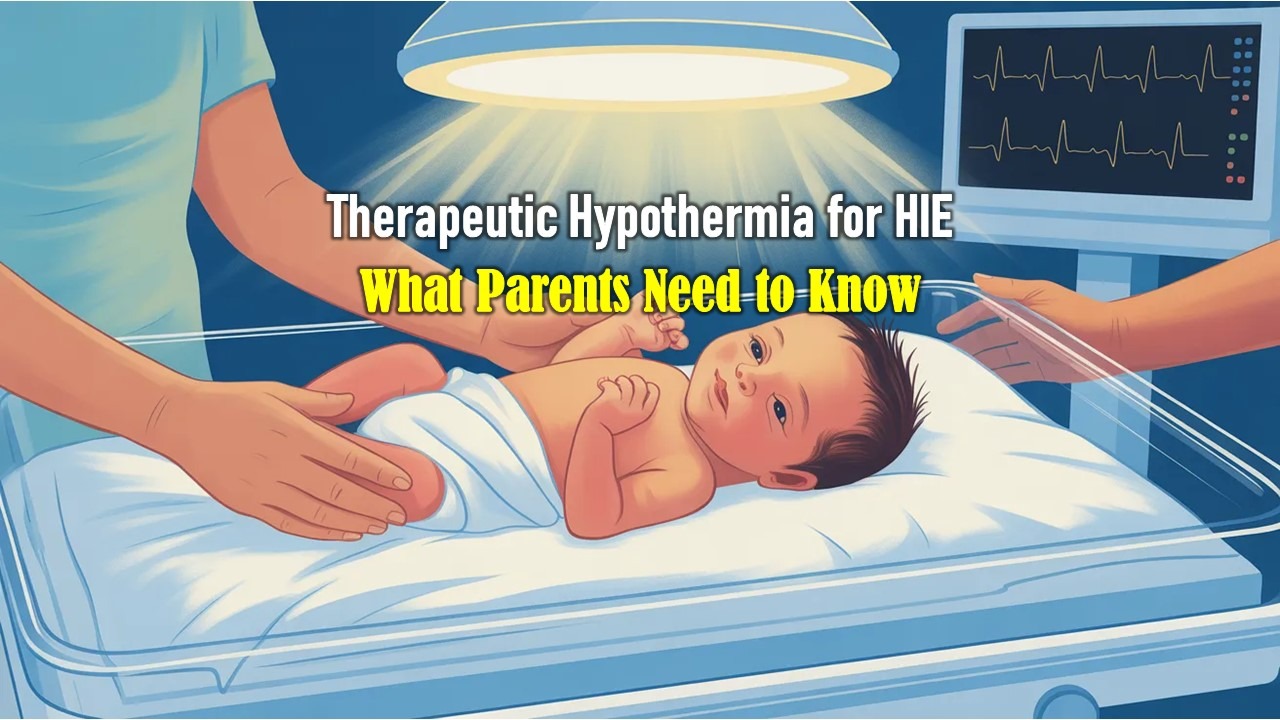
Every parent envisions bringing their newborn home, wrapped in a blanket and welcomed by family. When a baby is diagnosed with Hypoxic-Ischemic Encephalopathy (HIE), that dream is suddenly overshadowed by fear, confusion, and a desperate search for answers.
Yet, within the alarming medical terms and the frantic pace of the NICU, there is hope: therapeutic hypothermia.
Also known as “cooling therapy”, this treatment is a true medical breakthrough, gently lowering a baby’s body temperature to help the brain heal. The latest updated guidelines from the American Academy of Pediatrics (AAP), released in 2026, confirm its lifesaving power. The process is carefully orchestrated: the baby’s temperature is reduced to about 92.3°F within the first 6 hours of life, a critical window when the protective benefits for the brain are greatest. From there, they are kept at this state for 72 hours before being carefully rewarmed.
If your baby is full-term or near-term (36 weeks or more) and has been diagnosed with moderate to severe HIE, this therapy can significantly improve their chances of survival and reduce long-term disabilities.
We’ve written this guide to help you understand the “why” and “how” behind every step of this therapy, in a way that is clear, compassionate, and current for 2026. You are not alone, and there is a path forward.
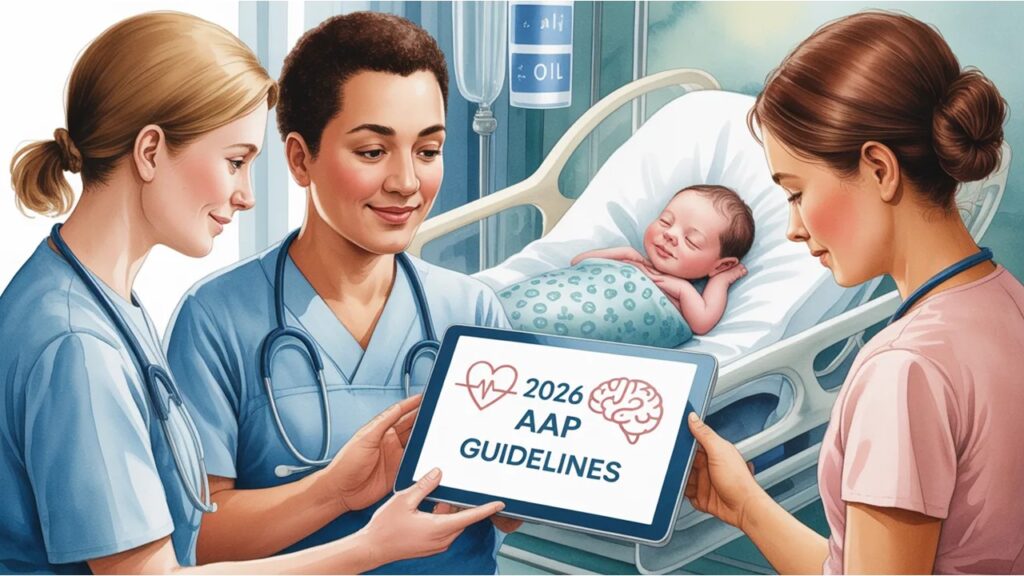
2026 AAP Guideline Updates for Therapeutic Hypothermia in HIE
The American Academy of Pediatrics updated its clinical guidance in early 2026 regarding therapeutic hypothermia. These changes reflect over a decade of real-world evidence from thousands of cooled infants worldwide. Here’s what’s new and why it matters for your family.
Key Changes from the 2014 to 2026 AAP Clinical Report
The 2014 guidelines established cooling as the standard of care for moderate to severe HIE. The 2026 update refines who benefits most, how to monitor during cooling, and how to counsel parents. One major shift: the report now strongly emphasizes shared decision-making with families, including clear conversations about benefits, risks, and alternatives.
Which Infants Benefit Most? Updated Eligibility Criteria (≥36 weeks, Moderate to Severe HIE)
Not every baby with HIE is a candidate. If your baby meets these criteria, cooling offers the strongest proven neuroprotection.. According to the 2026 AAP guidance, therapeutic hypothermia is recommended for:
- Gestational age ≥36 weeks (full-term or late preterm)
- Moderate or severe HIE based on the Sarnat staging exam
- Initiation within 6 hours of birth (ideally sooner)
- Evidence of perinatal acidosis (cord gas pH <7.0 or base deficit ≥16 mmol/L)
Why Therapeutic Hypothermia is Not Recommended for Mild HIE (2026 Evidence)
You may wonder: if a little cooling helps, why not cool mild HIE? The 2026 AAP report confirms that routine cooling for mild HIE does not improve outcomes and may increase risks like bradycardia and clotting issues. However, the AAP encourages clinical trials for mild HIE with additional therapies. If your baby has mild HIE, your NICU team will focus on supportive care and close monitoring instead.
How Neonatal Cooling Therapy Works: Mechanism and Clinical Protocol
Understanding what happens during cooling can turn fear into a sense of partnership with your baby’s medical team. Let’s walk through the process step by step.
The Golden Hour: Initiating Cooling Within 6 Hours of Birth
The first six hours after birth are called the “golden hour” for HIE. Every minute counts. Cooling works by slowing the brain’s metabolic rate, reducing inflammation, and preventing secondary energy failure, a delayed wave of cell death that peaks 6 to 24 hours after the initial injury. Starting cooling before that window closes, is essential.
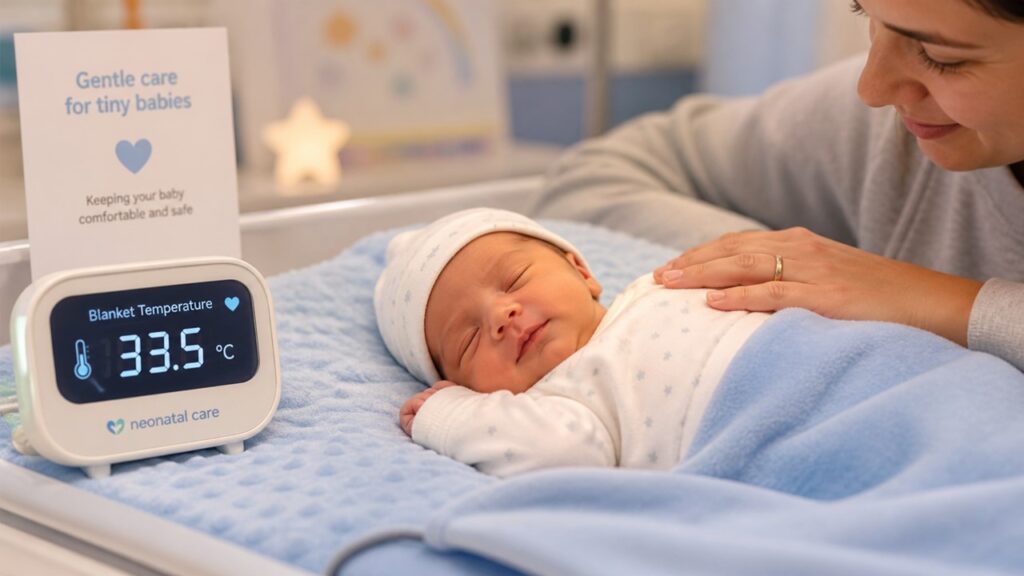
Target Temperature and Duration: 33.5°C (92.3°F) for 72 Hours
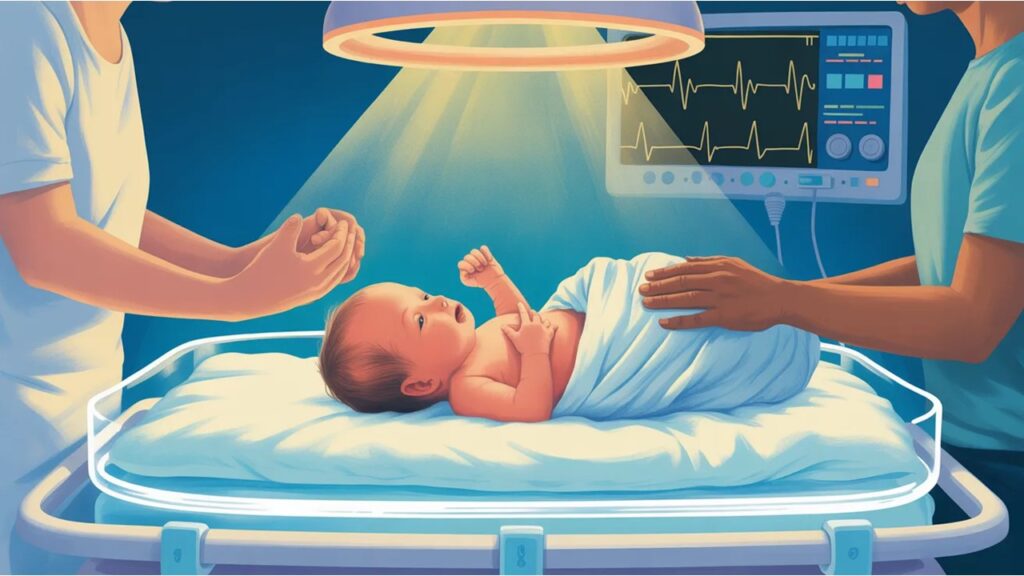
Your baby’s body temperature will be lowered to exactly 33.5°C (92.3°F), just 3.5°C below normal. This is done using either a cooling blanket (whole-body cooling) or a cooling cap (selective head cooling). The temperature is monitored continuously via a rectal probe. Your baby will stay at this target for 72 hours, three full days of quiet, protected healing.
Controlled Rewarming: Preventing Reperfusion Injury
After 72 hours, the cooling phase ends. But you cannot simply turn off the blanket. Rewarming must be slow and controlled, typically 0.5°C per hour over 6 to 8 hours. Rapid rewarming can trigger reperfusion injury, where suddenly restored blood flow causes additional oxidative damage. Your NICU team will watch your baby’s vital signs closely during this transition.
Whole-Body Cooling vs. Selective Head Cooling: A 2026 Comparison
Which method is better? The 2026 AAP report states that both whole-body cooling (WBC) and selective head cooling (SHC) are effective, with no significant difference in long-term outcomes. WBC is more common in North America and is easier to standardize. SHC may have a slight advantage for infants with primarily cortical injury.
Determining HIE Severity: Sarnat Staging and Diagnosis
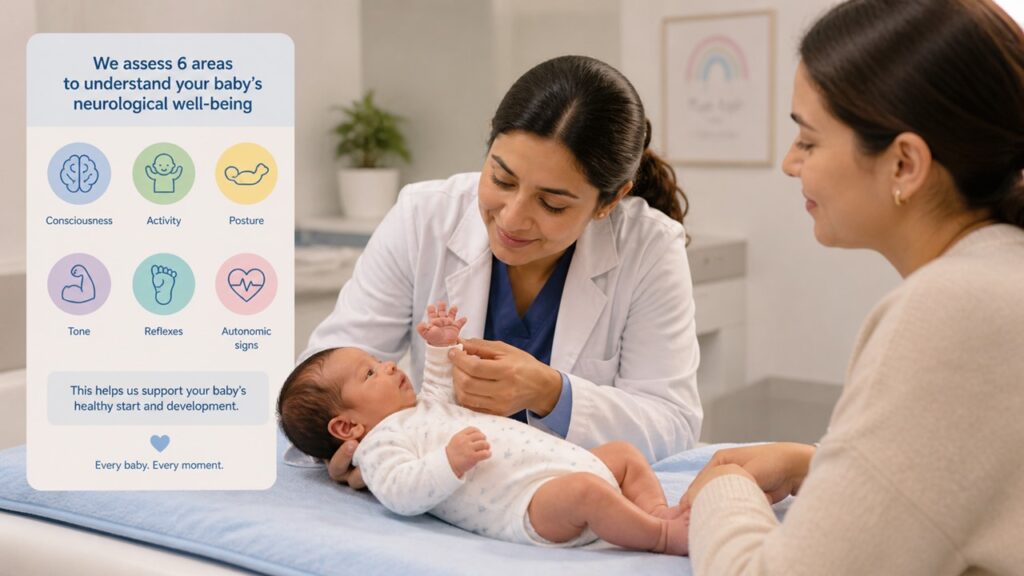
Before cooling begins, doctors need to know how severe the brain injury is. This is done using the Sarnat staging exam, a standardized assessment that looks for specific signs of encephalopathy.
Understanding the Modified Sarnat Exam for Neonatal Encephalopathy
The modified Sarnat exam evaluates six categories for therapeutic hypothermia:
- Level of consciousness (normal, lethargic, stupor, coma)
- Spontaneous activity (normal, decreased, absent)
- Posture (normal, flexed, decerebrate)
- Tone (normal, hypotonic, flaccid)
- Reflexes (sucking, Moro, grasp – normal, weak, absent)
- Autonomic function (pupils, heart rate, respiration)
Each category is scored, and the total determines mild, moderate, or severe HIE.
Moderate vs. Severe HIE: Staging Criteria and Clinical Implications
Moderate HIE: The baby is lethargic, has decreased activity, weak reflexes, and may have seizures. These infants benefit most from cooling.
Severe HIE: The baby is stuporous or comatose, has absent reflexes, flaccid tone, and often requires ventilator support. Cooling still improves survival, but the risk of disability remains higher.
Role of aEEG and MRI in HIE Diagnosis and Prognosis
Two technologies are invaluable. Amplitude-integrated EEG (aEEG) is a bedside brain monitor that tracks seizure activity and background patterns, helping guide treatment in real time. An MRI done after rewarming (usually day 4 to 7) provides the clearest picture of brain injury location and extent, helping predict long-term outcomes.
Therapeutic Hypothermia Success Rates and Long-Term Outcomes
This is the question every parent asks: Will my baby be okay? Here is what the data says.
Survival and Neurodevelopmental Outcomes: What the 2026 Data Shows
Pooled data from multiple randomized trials show that therapeutic hypothermia reduces the combined outcome of death or moderate/severe disability from approximately 60% to 45% for moderate to severe HIE. In other words, cooling prevents death or major disability in 1 out of every 6 to 7 treated infants. Survival without disability increases from about 40% to 55%.
Neurodevelopmental Outcomes at 18 to 24 Months: Bayley Scale Results
The standard measure is the Bayley Scales of Infant Development (BSID-III), assessed at 18 to 24 months of age. Cooled infants consistently score higher on cognitive, language, and motor composites compared to non-cooled controls. However, mild delays (especially in fine motor and attention) are still possible.
Factors Influencing Outcomes: Why Some Infants Have Better Results
No two babies are the same. Better outcomes are linked to:
- Earlier cooling (starting before 4 hours is best)
- Less severe initial encephalopathy (moderate > severe)
- Absence of seizures or seizures that respond quickly to medication
- Normal MRI findings after rewarming
- Access to structured developmental follow-up
NICU Care and Family Support During Cooling Therapy
The NICU can feel overwhelming. Knowing what to expect during the 72 hours of cooling can help you feel more grounded.
What to Expect in the NICU: Cooling Blankets, Monitoring, and Medication
Your baby will be placed on a specialized cooling blanket or wear a cooling cap. They will likely be sedated (with morphine or fentanyl) to prevent shivering, which would fight the cooling. They will have an IV, an arterial line for blood pressure monitoring, and a breathing tube if needed. Nurses will check vital signs every 15 to 60 minutes. It looks scary, but every piece of equipment is there to protect your baby’s brain.
Can Parents Hold Their Baby During Therapeutic Hypothermia?
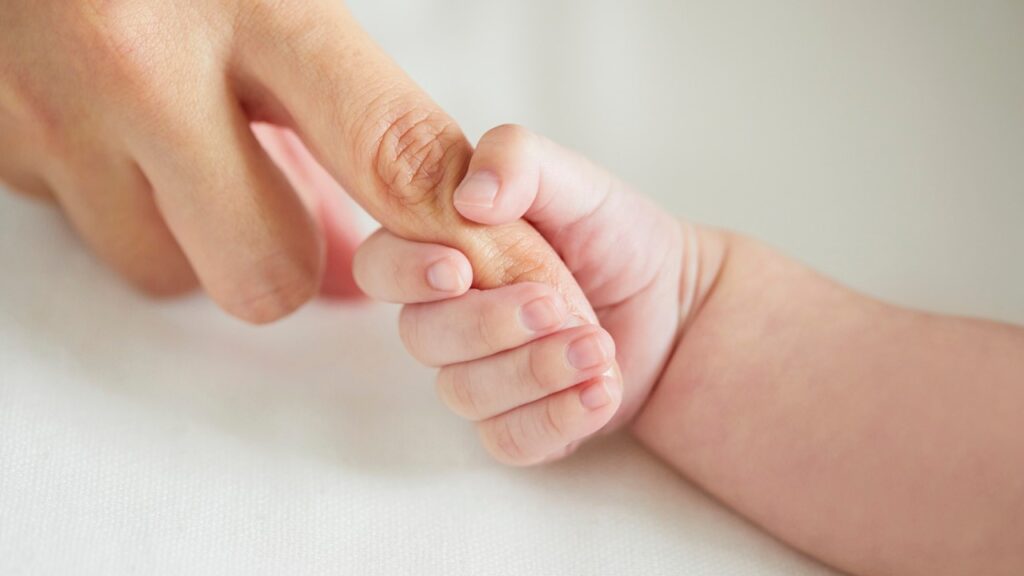
This is one of the most emotional questions. In most NICUs, full holding (skin-to-skin) is not allowed during active cooling because it could raise the baby’s temperature. However, gentle touch, hand holding, and speaking softly are encouraged, and very important. Some centers allow brief, supported holding during therapeutic hypothermia. Ask your NICU team what is possible; they want to help you bond safely.
The Importance of Structured Neurodevelopmental Follow-Up
Cooling is only the first step. All infants treated with therapeutic hypothermia should be enrolled in a structured follow-up program that includes:
- Regular developmental screenings (at 4, 8, 12, 18, 24 months)
- Hearing and vision tests
- Physical, occupational, and speech therapy as needed
- Early intervention services (free in many regions)
- Early support can make a profound difference in a child’s trajectory.
Frequently Asked Questions (FAQ) About Therapeutic Hypothermia for HIE
Here are the most common questions parents and families ask – answered in plain language for 2026.
Q1: Can Cooling Be Started After 6 Hours?
Ans: Yes, but the benefit decreases with each passing hour. Some centers will cool up to 24 hours after birth if there is clear evidence of ongoing encephalopathy. The 2026 AAP report notes that “late cooling” (6 to 24 hours) may still offer modest benefit, especially for infants with seizures. However, the strongest evidence is for cooling initiated within 6 hours.
Q2: Is Therapeutic Hypothermia Safe for Premature Infants (Less Than 36 Weeks)?
Ans: No, it is not recommended. Premature infants have immature blood vessels in the brain and are at higher risk of intracranial hemorrhage when cooled. If your baby was born before 36 weeks, the NICU team will focus on supportive care and seizure management instead.
Q3: What Are the Side Effects of Neonatal Cooling Therapy?
Ans: Side effects are generally temporary and manageable. They include:
Bradycardia (slow heart rate: common and usually harmless)
Thrombocytopenia (low platelets: resolves after rewarming)
Skin changes (redness or hardening at cooling pad sites)
Electrolyte imbalances (corrected with IV fluids)
Increased risk of infection (monitored closely)
Serious complications are rare in experienced NICUs.
Q4: How Much Does Therapeutic Hypothermia Cost?
Ans: In the United States, a full course of therapeutic hypothermia (including NICU stay, monitoring, and rewarming) typically costs between $50,000 and $150,000. Most private insurance and Medicaid cover it as a standard of care. Many children’s hospitals also offer financial counseling. If you are concerned about costs, ask to speak with a hospital social worker or financial advocate.
Q5: Can babies with a HIE be normal?
Ans: Many babies with mild hypoxic-ischemic encephalopathy (HIE) can develop typically, and with treatments like therapeutic hypothermia, a significant number with moderate HIE also achieve normal developmental outcomes, though long-term monitoring is important as some may face subtle challenges later in life.
Q6: What is the success rate of therapeutic hypothermia in newborns?
Ans: For newborns with moderate to severe HIE, therapeutic hypothermia significantly improves outcomes, reducing the combined risk of death or disability by approximately 22 to 28%
Q7: When is therapeutic hypothermia recommended?
Ans: Therapeutic Hypothermia (TH) improves neurological recovery and reduces mortality after global ischemia.
Conclusion and Future Directions in HIE Treatment (2026 and Beyond)
Therapeutic hypothermia has transformed the outlook for newborns with moderate to severe HIE. Thanks to the 2026 AAP guidelines, we now have clearer criteria, safer protocols, and a deeper understanding of long-term outcomes. But cooling is not the end of the story.
Summary of 2026 AAP Recommendations for Clinical Practice
- Cool all eligible infants ≥36 weeks with moderate/severe HIE within 6 hours of birth.
- Maintain target temperature 33.5°C for 72 hours, then rewarm slowly.
- Use aEEG to monitor seizures and background activity.
- Offer EPO as an adjunct where available and within trial protocols.
- Do not routinely cool mild HIE or premature infants.
- Ensure structured neurodevelopmental follow-up for every cooled infant.
Ongoing Clinical Trials and the Next Frontier in Neuroprotection
The future is bright. Researchers are now testing combination therapies: cooling + EPO, cooling + stem cells, and even “precision cooling” based on genetic biomarkers of injury. By 2030, we may have a tailored neuroprotective cocktail for each baby.
You have just read a guide rooted in the latest science, but written with heart. If your baby is undergoing therapeutic hypothermia right now, know that this treatment has saved thousands of lives and preserved countless futures. Breathe. You are not alone. And there is hope – wrapped in a cooling blanket, held by skilled hands, and waiting for your little one to warm back up to you.
If this guide helped you, consider sharing it with another parent who might be struggling with the same thing. Do read more helpful articles from this site, Newborn Care Immediately After Birth, Newborn Cord Care, Newborn Jaundice and stay connected for more.
Disclaimer:
This article is for informational purposes and does not replace medical advice. Always consult your neonatologist or pediatric neurologist for decisions about your baby’s care.