
Newborn Baby Care Immediately After Birth: 6 First Hour Safety Tips Every Parent Must Know
Holding your newborn baby for the very first time is one of the most unforgettable moments of your life. That first hour after delivery can have magical feel. But it can also be overwhelming, especially if you’re unsure about the right steps to take.
Many new parents worry about how to handle their little one safely, when to start feeding, and how to protect him/her from infections.
This guide educates parents about newborn baby care immediately after birth. You’ll learn simple, practical, and safety precautions to care for your baby during the critical first hour, also known as the “golden hour”.
What does Newborn Baby Care Immediately After Birth Must Comprise and Why it Matters?
Newborn baby care immediately after birth includes essential steps taken in the first hour after baby is born to ensure the little one’s health and safety. This includes skin-to-skin contact, early breastfeeding, keeping the baby warm, monitoring vital signs, and preventing infections during the golden hour. Remember, proper and immediate newborn care right after delivery supports long-term health, emotional bonding, and early development. This period is critical because:
- Your baby begins breathing independently.
- Baby’s Body temperature needs regulation.
- Feeding must be initiated.
- Immunity starts building.
What Happens in the First Hour After Birth
Baby’s First Cry and Breathing After Birth
Right after birth, newborns take their first breath and begins to cry. This helps clear the lungs and ensures proper oxygen flow.
Skin-to-Skin Contact with Mother
Placing your baby on your mother’s chest immediately helps:
- Regulate temperature.
- Stabilize heart rate.
- Promote bonding.
Umbilical Cord Care
The cord is clamped and cut. Delayed clamping can improve iron levels and circulation.
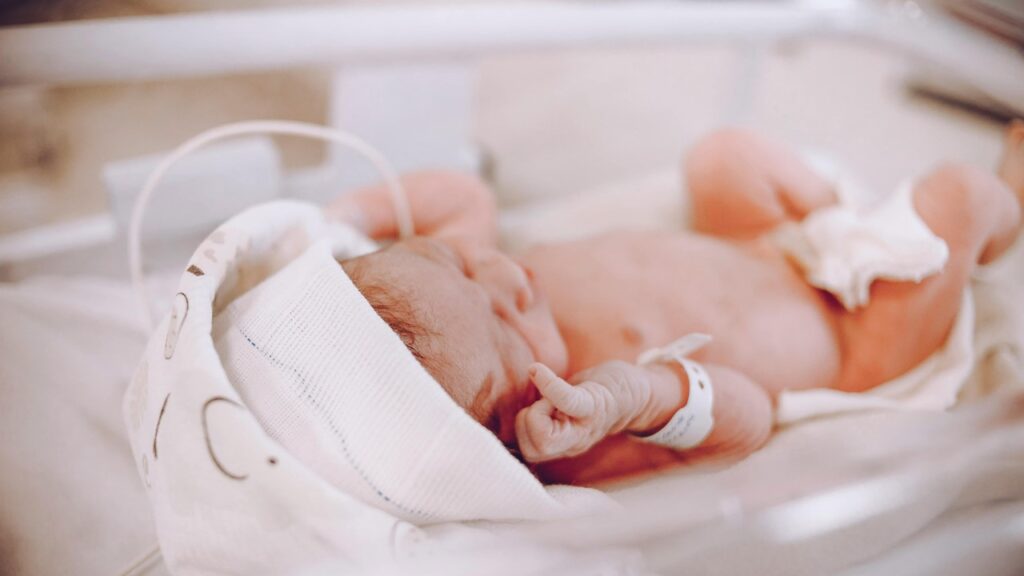
Essential Steps to be taken for Newborn Baby Care Immediately After Birth
Keeping Your Newborn Warm
Right after birth, newborns can lose heat quickly, so:
- Wrap your baby in a blanket so that he/she doesn’t get hypothermia.
- Use a cap.
- Keep room warm.
Initiating Breastfeeding
Start breastfeeding within the first hour of the birth because colostrum benefits newborn and highly nutritious for the baby. Colostrum helps:
- Boost immunity.
- Protect against infections.
- Support digestion.
Monitoring Vital Signs
Doctors check:
- Heart rate
- Breathing
- Reflexes
- Weight. Baby needs to be weighed to make sure he/she is not underweighted.
- Other abnormalities must be checked. The newborn needs to be tested for APGAR score.
Basic Hygiene and Cleaning
The newborn’s mouth needs to be cleared out immediately, so the baby starts breathing.
- Baby is gently wiped.
- Bathing is delayed.
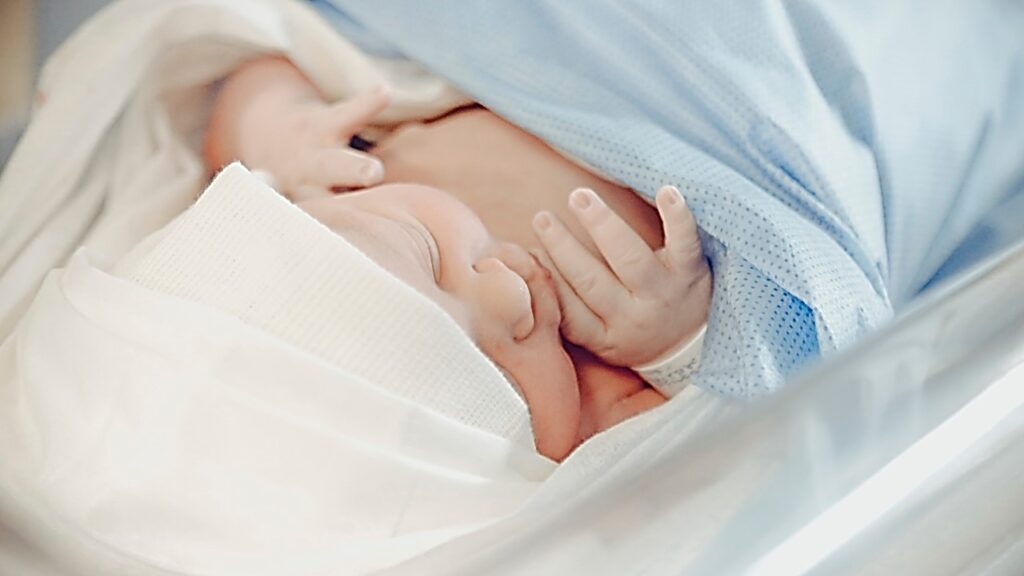
Safety Precautions for Newborn Baby Immediately After Birth
Preventing Infections
It is best practice for the parents/guardians of the little one to:
- Wash hands before touching baby.
- Keep surroundings clean.
Limiting Visitors
To ensure newborn safety in hospital:
- Avoid overcrowding.
- Allow only healthy visitors but fewer in number.
How to Hold Newborn Safely
Newborn baby is too delicate and needs support. So,
- Support head and neck while holding the baby.
- Handle gently.
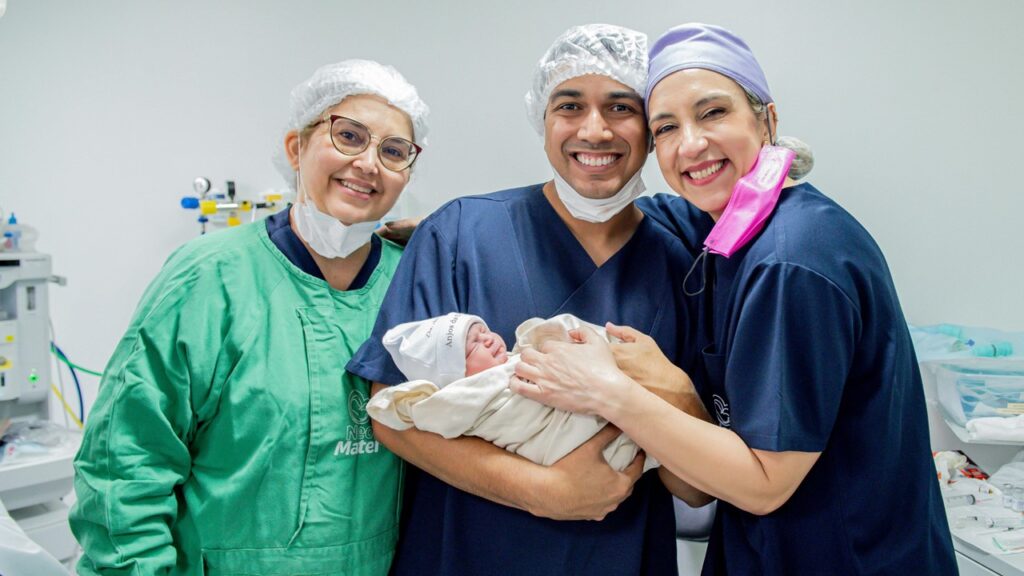
First Hour Newborn Care Immediately After Birth After a C-Section
After a C-section, both mother and baby needs support for a skin-to-skin contact. So,
they need:
- Support during breastfeeding after C-section.
- Support while handling baby is needed because mother’s recovery may be slower than the normal delivery.
Signs Your Newborn is Healthy After Birth
Healthy baby signs right after birth includes:
- Strong cry
- Normal breathing
- Pink skin tone
- Active movement
Newborn Warning Signs to Watch
Seek immediate medical help if you observe the following signs in baby immediately after birth:
- Difficulty in breathing
- Weak cry
- Bluish skin
- Low activity
Special Safety Considerations When Caring for Premature Babies
Caring for a premature baby requires extra attention, as their bodies are still developing and more sensitive than the normal babies. Premature baby care after birth should focus on maintaining body temperature, preventing infections, and ensuring gentle handling at all times.
These babies often need support while breathing, feeding, and immune protection. Maintaining hygiene and limited exposure to visitors is especially important. Skin-to-skin contact (kangaroo care) can help regulate temperature and strengthen bonding with mother. Regular monitoring by doctors ensures early detection of any problems. By following proper newborn safety precautions as advised by doctors for premature babies, parents can provide a safe and nurturing environment for their little one’s growth and recovery.
Common Mistakes to Avoid within First Hour of Birth
To ensure the safety and health of the newborn, parents/guardians must ensure to avoid the common mistakes that can be:
- Delaying first feed
- Too many visitors
- Poor hygiene
- Improper handling
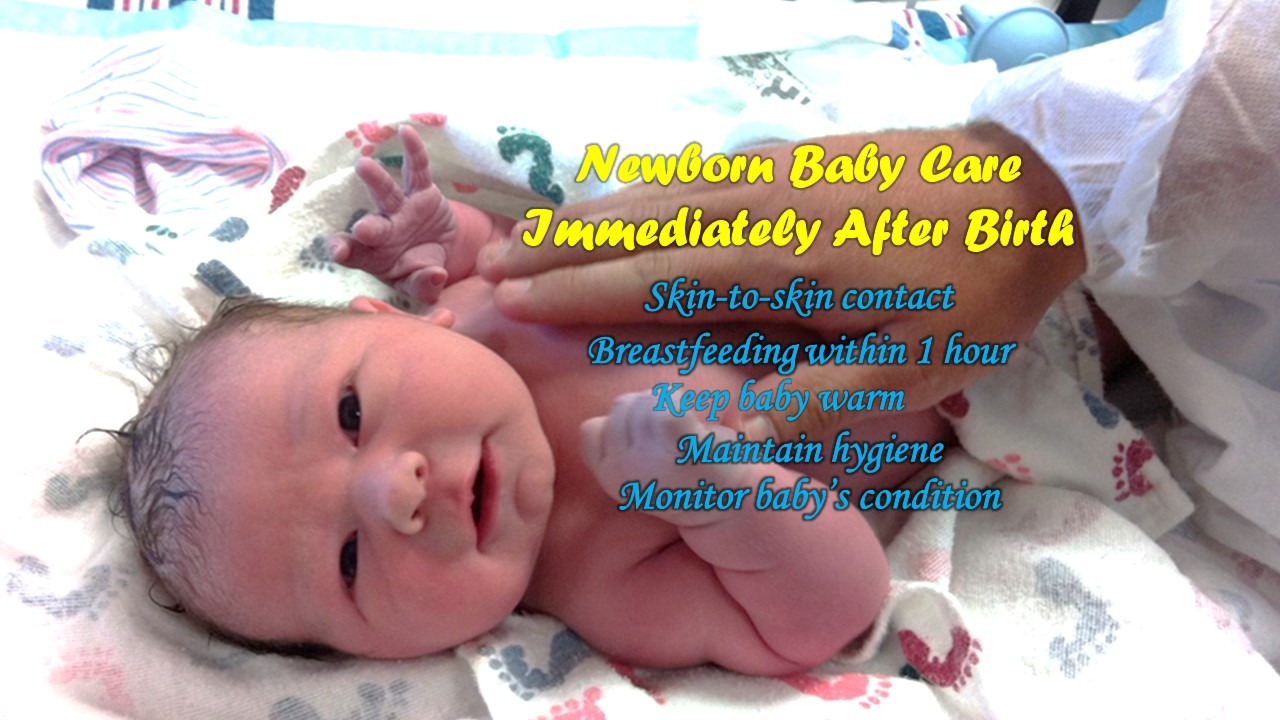
Quick Checklist for Newborn Baby Care Immediately After Birth
- Skin-to-skin contact with mother.
- Breastfeeding within one hour after birth.
- Keep baby warm.
- Maintain hygiene.
- Monitor baby’s condition.
FAQs
What is the first care given to a newborn baby?
Ans: Skin-to-skin contact, breathing support, warmth, and early breastfeeding are the first essential steps.
When should breastfeeding start?
Ans: Within the first hour after birth.
Can visitors hold the baby immediately?
Ans: It’s best to limit visitors to reduce infection risk.
How to take care of newborn baby just after birth?
Ans: Keep your newborn warm, start skin-to-skin contact, initiate breastfeeding within the first hour, maintain hygiene, and handle your baby gently and safely.
How to handle newborn right after delivery?
Ans: Handle your newborn gently by supporting their head and neck, keeping them warm, and holding them close for safe skin-to-skin contact.
Summary
Newborn baby care immediately after birth is all about simple, safe, and timely actions to give your baby the healthiest start in life. You don’t need to have everything figured out in the very first hour. What matters most is your love, your presence, and your willingness to learn. Take it one gentle moment at a time, trust your instincts, and don’t hesitate to ask for help when you need it.By focusing on warmth, proper feeding, hygiene, and gentle handling, you can confidently care for your newborn during this critical golden hour.
If you found this article helpful, share it with other new parents who might need a little support during precious first hour of their beloved little one.