
How to avoid Slips & Falls During Pregnancy: 15 Safety Tips for Every Trimester
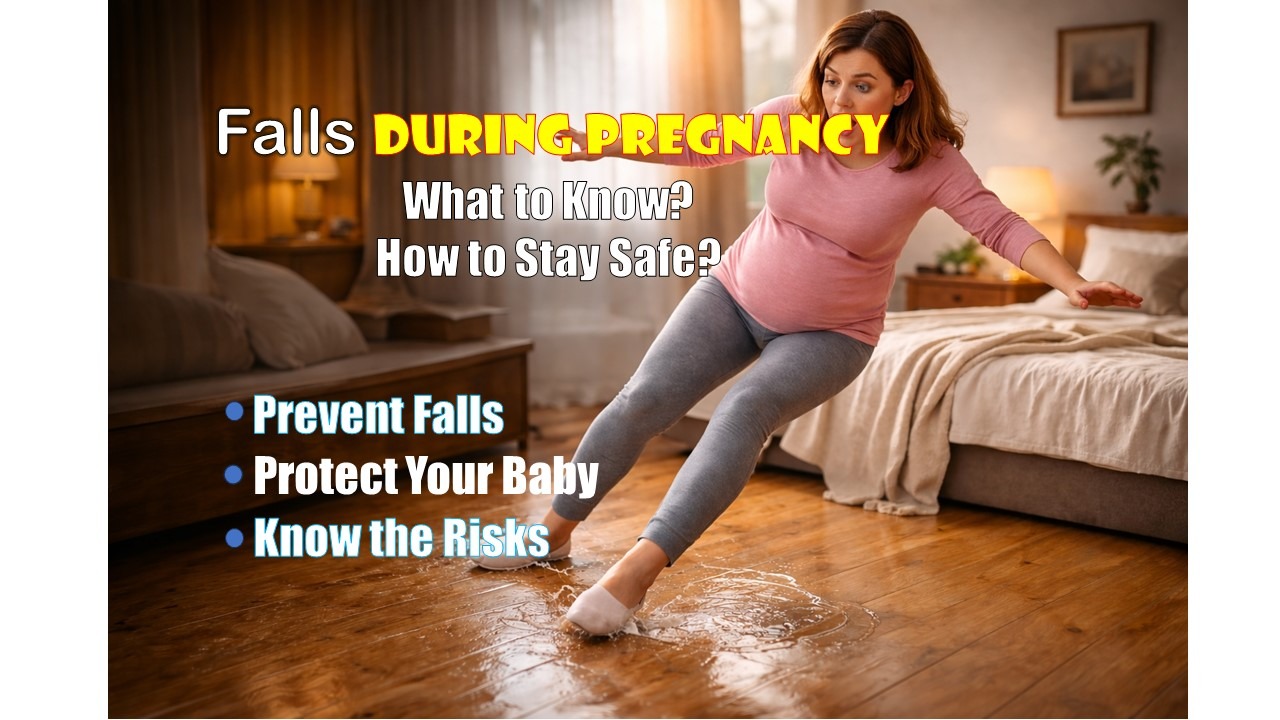
Pregnancy can bring unexpected physical changes that can affect your balance and stability. As your body adapts, shifts in weight, posture, and hormones can make even simple movements feel uncomfortable.
Any slips or falls during pregnancy can be alarming and stressful, especially when you’re thinking about your baby’s safety. Dizziness, fatigue, and reduced coordination during pregnancy can increase your risk without you even realizing it. This makes everyday tasks like walking, climbing stairs, or getting out of bed riskier than ever before.
The good news? Most falls during pregnancy are preventable with simple, practical safety steps. In this guide, you’ll discover easy, expert-backed tips to improve your balance, move safely, and create a secure environment, so you can stay confident, steady, and protected throughout your pregnancy journey.
How can you prevent falls during pregnancy?
To prevent falls during pregnancy, wear non-slip footwear, move slowly when standing or walking, keep your home clutter-free, use handrails on stairs, and avoid slippery surfaces. Maintaining proper posture, staying hydrated, and practicing safe balance exercises can also help reduce the risk of falls.

Why Fall Risk Increases During Pregnancy?
How Body Changes Affect Balance?
As your belly grows during pregnancy, your center of gravity shifts forward, which can make you feel off-balance. Even routine movements may require extra care.
Role of Hormones (Relaxin) in Joint Instability
Pregnancy hormones like relaxin loosen ligaments to prepare your body for childbirth. While necessary, this can make your joints more flexible, and less stable, raising the risk of falls.
Common Causes of Dizziness and Weakness
Low blood pressure, dehydration, fatigue, and sudden position changes can all cause dizziness. This makes walking, bending, and reaching more dangerous than usual during pregnancy.
Trimester-Wise Falls During Pregnancy Risk Factors
- First trimester: Fatigue and morning sickness may reduce alertness.
- Second trimester: Rapid belly growth can affect balance.
- Third trimester: Heavier weight and swelling in legs increase instability.
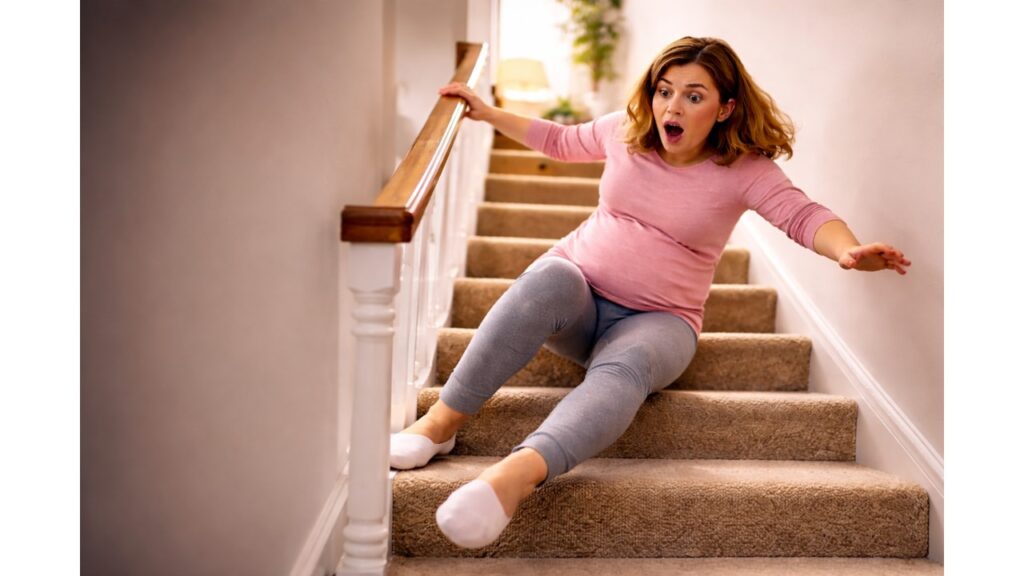
Signs You May Be at Higher Risk of Falling During Pregnancy
Frequent Dizziness or Lightheadedness
If you often feel faint, make it a habit to pause and sit before moving to avoid accidents.
Poor Balance or Coordination
Difficulty walking in a straight line or navigating stairs safely is a red flag.
Muscle Weakness and Fatigue
Tiredness can reduce reaction time and increase risk.
Previous Falls or Near Misses
A history of falls during pregnancy is a warning sign to take extra precautions.
15 Practical Safety Tips to Prevent Falls During Pregnancy
- Wear Non-Slip, Supportive Footwear: Avoid heels. Choose shoes with good grip.
- Move Slowly When Standing or Walking: Sudden movements can trigger dizziness.
- Keep Your Home Clutter-Free: Remove loose rugs, cords, and obstacles.
- Use Handrails on Stairs: Always hold onto railings when ascending or descending.
- Avoid Wet and Slippery Surfaces: Clean spills immediately to prevent falls during pregnancy.
- Improve Lighting in Your Home: Brighten hallways and bathrooms.
- Be Careful While Carrying Items: Use trays or ask for help.
- Maintain Proper Posture: Keep your back straight to reduce strain.
- Stay Hydrated to Prevent Dizziness: Dehydration can cause fainting.
- Avoid Overexertion and Fatigue: Take breaks and rest frequently.
- Use Mobility Aids if Needed: Canes or walkers help when balance is poor.
- Ask for Help When Reaching or Lifting: Don’t risk overstretching.
- Practice Safe Bathroom Habits: Install grab bars and non-slip mats.
- Keep Emergency Contacts Handy: Have a phone nearby in case of falls.
- Educate Family Members About Safety: Everyone at home should know how to support you.
Room-by-Room Fall Prevention Tips at Home
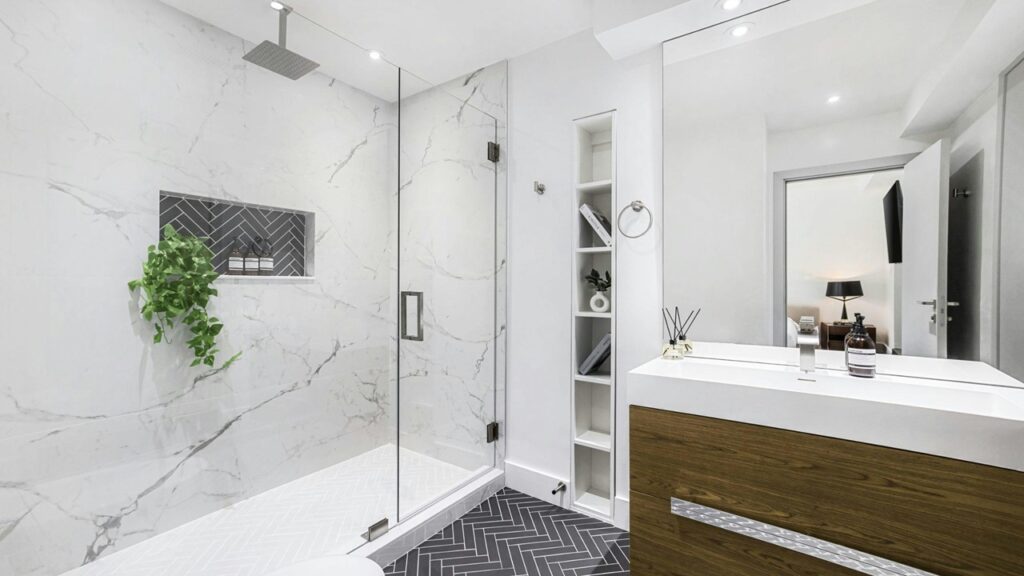
Bathroom Safety Tips
- Use non-slip mats inside and outside the shower.
- Install grab bars near the toilet and bathtub.
- Avoid standing on wet floors or reaching high shelves.
Bedroom Safety Adjustments to Prevent Falls During Pregnancy
- Keep a clear path around the bed.
- Place a night light to navigate safely at night.
- Sit before putting on socks or shoes to avoid balance loss.

Kitchen Safety Measures
- Use step stools with handles instead of chairs.
- Keep frequently used items within easy reach.
- Wipe spills immediately to prevent slipping.

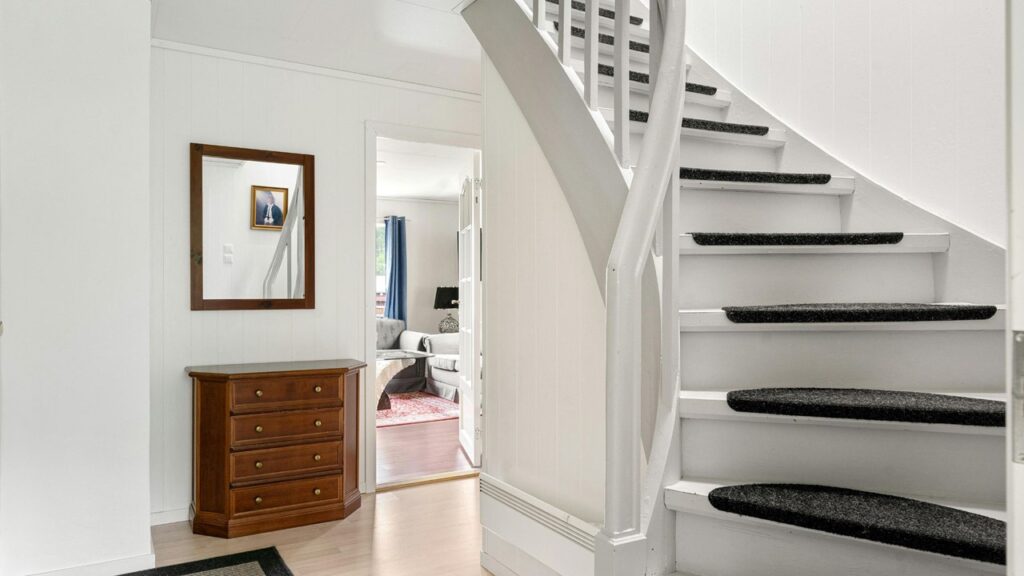
Staircase and Entryway Safety
- Install sturdy handrails.
- Keep stairs well-lit and free of clutter.
- Wear shoes with grip, not slippery socks.
What to Do If You Fall During Pregnancy?
Immediate Steps to Take
- Sit or lie down immediately.
- Check for pain, bleeding, or contractions.
- Avoid sudden movements.
Warning Signs to Watch For
- Severe abdominal pain or cramping.
- Vaginal bleeding or fluid leakage.
- Fetal movement changes.
When to Call Your Doctor?
Seek medical help immediately if you experience any warning signs or suspect injury.
When to Seek Medical Advice?
Persistent Dizziness or Fainting
Regular or severe dizziness may indicate an underlying issue.
Severe Pain After a Fall
Any persistent pain warrants a check-up.
Reduced Baby Movement
Changes in movement should always be evaluated promptly.

FAQs About How to Prevent Falls During Pregnancy
Q1: Can falling harm my baby?
Ans: Most minor slips may not harm the baby, but always monitor symptoms and consult your doctor.
Q2: Is it safe to exercise during pregnancy?
Ans: Yes. Low-impact, balance-focused exercises are safe with your doctor’s approval.
Q3: What shoes are best for pregnancy safety?
Ans: Supportive, non-slip, closed-toe shoes are ideal.
Q4: How can I improve balance naturally?
Ans: Prenatal yoga, gentle strength training, and mindful walking help.
Q5: What to do after falling during pregnancy in third trimester?
Ans: Falling during the third trimester of pregnancy can be risky due to your shifted center of gravity, so always move cautiously, use support, and seek medical advice if you experience pain, bleeding, or reduced baby movement.
Q6: What to do while falling on knees while pregnant during third trimester?
Ans: Falling on your knees during the third trimester can cause pain or bruising just sit or lie down immediately and contact your doctor if you notice swelling, severe pain, or any unusual symptoms.
Q7: What to watch for after falling while pregnant?
Ans: After falling while pregnant, watch for abdominal pain, bleeding, fluid leakage, dizziness, or reduced baby movement, and contact your doctor immediately if any occur.
Conclusion
Falls during pregnancy are common but mostly preventable with awareness, preparation, and practical safety measures. By following these tips, you can protect both yourself and your baby while staying confident and steady in your daily routine.
Share this guide with other moms-to-be, comment your favorite safety tip, and read out our month-by-month guide for safe and healthy pregnancy. Do subscribe for pregnancy safety insights!