
How to Reduce PFAS Exposure During Pregnancy: 7 Steps to Avoid Forever Chemicals
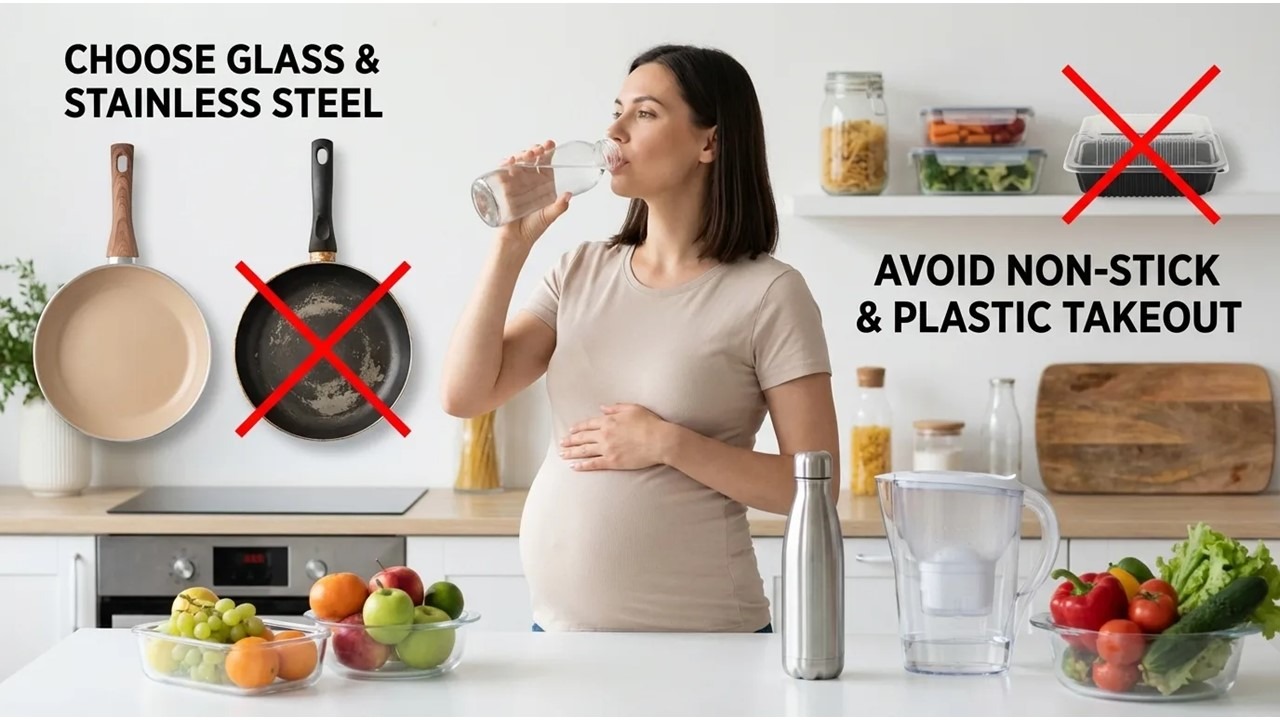
Many moms like you may have heard the term “forever chemicals” in the news. But do you know they could be crossing into your baby’s body right now even before birth?
Every time you heat up leftover food in a non‑stick pan, grab a takeout salad in a greaseproof box, or drink from an unfiltered tap, you might be inviting PFAS into your body. And during pregnancy, what’s in your blood can reach your baby’s developing tissues.
PFAS don’t break down. They accumulate in your body over years, and pregnancy actually mobilizes these stored chemicals. It means your baby can be exposed to PFAS in the womb. So, expecting moms should know how to reduce PFAS exposure during pregnancy.
Studies have shown that prenatal PFAS exposure leads to lower birth weight, reduced vaccine response in infancy, and potential hormone disruption. Even more frustrating? Most expecting moms have no idea these chemicals are hiding in everyday items like waterproof jackets, microwave popcorn bags, and stain‑resistant carpets. You’re trying to eat well and taking rest securely but common household products may be working against you.
You can’t avoid PFAS completely. They’re in rainwater, dust, and even some drinking water supplies. But you can reduce PFAS exposure during pregnancy with a few smart, low‑stress changes in lifestyle.
In this guide, you’ll learn where PFAS hide, how to fix PAFS problem, which water filters, cookware, and clothing choices protect you and your baby. The good news is, you need to take just few actionable steps for a PFAS‑free and safe pregnancy.

Why You Should Reduce PFAS Exposure During Pregnancy?
Risks of PFAS Exposure for Unborn Baby & Birth Outcomes
PFAS are called “forever chemicals” because they persist in the environment and in your body. During pregnancy, they can cross the placenta. So, it may happen that they are detected in cord blood and amniotic fluid. Research shows higher maternal PFAS levels lead to:
- Slightly lower birth weight at the time of birth.
- Reduced immune response to childhood vaccines (e.g., diphtheria and tetanus).
- Potential thyroid hormone disruption, which is critical for fetal brain development.
How Forever Chemicals Can Cross the Placenta?
PFAS bind to proteins in your blood. Pregnancy increases blood volume and changes protein binding. So, stored PFAS can be released and transferred to your baby. One study found detectable levels of multiple PFAS in nearly all newborn cord blood samples.
Endocrine Disruptors During Pregnancy
PFAS are endocrine‑disrupting chemicals (EDCs). They can block natural hormones, raising concerns about gestational diabetes, preeclampsia, and later metabolic issues in children. While more research is needed, reducing PFAS exposure during pregnancy is a safe and proactive step.

Common Sources of PFAS in Daily Life
Non‑Stick Cookware: Pregnancy Safety Concern
Teflon and similar non‑stick coatings contain PFAS. When heated to high temperatures or scratched, they release particles and fumes. Even “PFOA‑free” labels can be misleading because newer short‑chain PFAS are also alarming.
Stain‑Resistant Fabrics and Pregnancy Risks
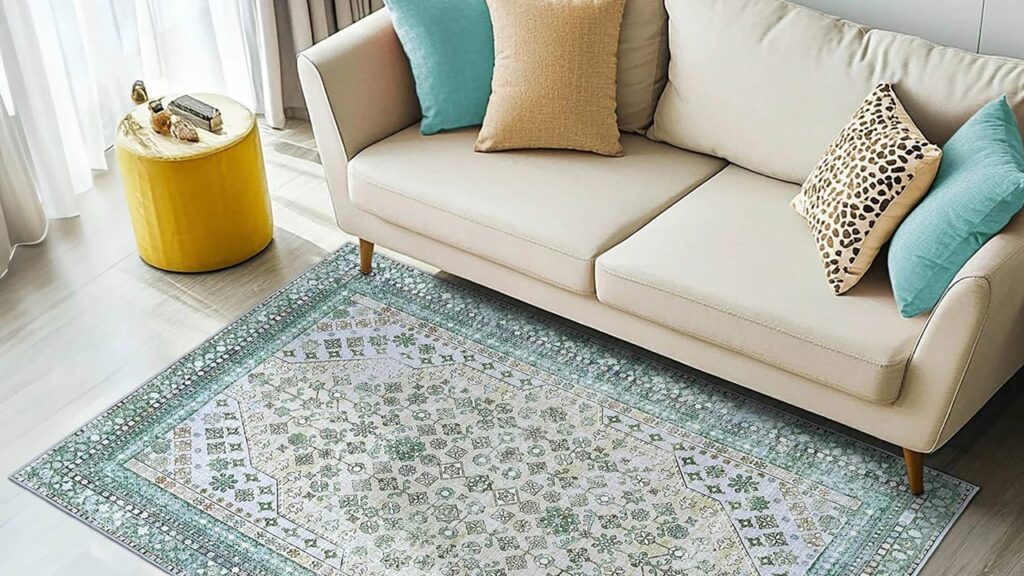
Carpets, sofas, mattresses, and even some car seats are usually treated with stain‑repellent chemicals like Scotchgard. These contribute to indoor dust, which you inhale or ingest.
Waterproof Clothing Chemicals Pregnancy Exposure
Rain jackets, hiking pants, and many “water‑repellent” maternity coats are coated with PFAS. Look for “PFC‑free” or “PFAS‑free” labels instead to reduce PFAS exposure during pregnancy.

Other Sources Include:
- Microwave popcorn bags (inner lining).
- Fast food wrappers (burgers, fries, tacos).
- Greaseproof pizza boxes.
- Some dental floss (especially “Teflon” floss).
- Makeup products, e.g., foundation.
How to Avoid PFAS in Your Kitchen While Pregnant?
Expecting moms should take actionable steps to reduce PFAS exposure during pregnancy. Discard any scratched or peeling non‑stick pans immediately. Other steps they need to take include:
PFAS Safe Cookware During Pregnancy
Replace non‑stick pans with the following:
- Cast iron: naturally non‑stick when seasoned.
- Stainless steel: durable and easy to clean.
- Ceramic‑coated: ensure its labeled PFAS‑free.
- Glass: great for baking and reheating.

Microwave Popcorn Bags & PFAS
The greaseproof lining of microwave popcorn bags is almost always coated with PFAS. To reduce PFAS exposure during pregnancy, it’s much better to make stovetop popcorn using a stainless-steel pot or buy plain kernels and pop them in a glass bowl covered with a ceramic plate.
PFAS‑Free Food Storage Containers You Can Trust
Avoid paper takeout containers with a shiny or waxy lining. Instead:
- Use glass containers (Pyrex, Anchor Hocking).
- Use stainless steel lunch boxes.
- Never reheat food in its original fast‑food wrapper. Transfer to a plate or glass dish first.
Kitchen checklist to avoid PAFS During Pregnancy
- Replace non‑stick pans.
- Stop buying microwave popcorn.
- Switch to glass or stainless-steel storage.
- Stop reheating food in takeout boxes.

PFAS in Drinking Water: What Pregnant Women Need to Know?
Is Your Tap Water Contaminated?
PFAS have been found in public water systems near industrial sites, airports, and many other areas. Check your local water quality report (often online) or the EPA’s UCMR data. Home testing kits for PFAS are available (e.g., Tap Score).
Best Activated Carbon Water Filter for PFAS Removal
Expecting moms need to know that not all filters remove PFAS. Also, they must avoid “basic” pitcher filters that only improve taste, they usually don’t reduce PFAS. Look for certifications like:
- NSF/ANSI 53 for activated carbon filters.
- Reverse osmosis (RO) systems are even more effective.
- Granular activated carbon (GAC) under‑sink filters work well.

Smart Alternatives for Clothing & Home Textiles to Avoid PFAS During Pregnancy
Why to Avoid Carpet Stain Protector Pregnancy?
New carpets often come pre‑treated with stain repellents. While pregnant moms take rest:
- Choose untreated rugs (wool, cotton, jute).
- Air out new carpets for several days before moving into a room.
- Vacuum frequently with a HEPA filter to reduce PFAS‑laden dust.
Safe Maternity Wear Without Waterproofing Chemicals
For everyday wear, natural fibers (cotton, linen, merino wool, silk) are safest. To reduce PFAS exposure during pregnancy, look for safe maternity wear and watch out outdoor gear labeled:
- PFC‑free (perfluorochemical‑free).
- PFAS‑free.
- Avoid “DWR” (durable water repellent) unless specified as non‑fluorinated.
How to Reduce PFAS Exposure from Food Packaging?
What to Skip to Avoid Fast Food Packaging PFAS?
Greaseproof paper bags, burger wrappers, French fry sleeves, and salad bowls lined with perfluorinated coatings are common sources. The hotter and greasier the food, the more PFAS migrate into it. Better avoid such foods to ensure a safe pregnancy.
Hidden Risks in Greaseproof Wrappers & Pizza Boxes
Pizza boxes are often treated on the inside. While you can’t easily avoid eating pizza, make sure to reduce frequency. When you do order, remove the pizza from the box as soon as it arrives and place it on a ceramic or glass plate. This practice is a good for you and your newborn.
Safe Takeout Container Alternatives for Pregnancy
When you make an order:
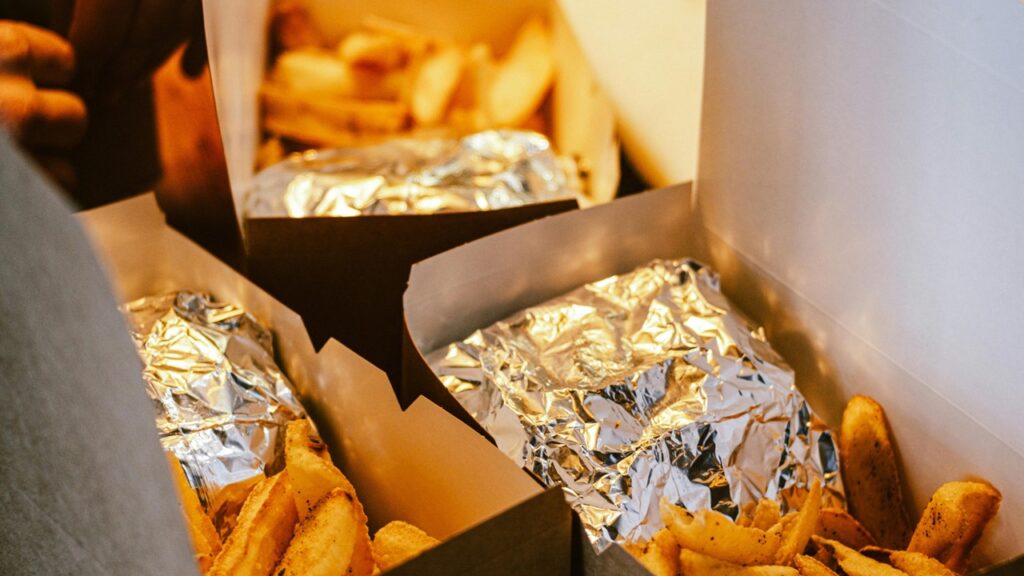
- Ask if they can serve food in uncoated paper or foil (plain aluminum foil is PFAS‑free).
- Bring your own glass or stainless-steel container (many small restaurants will accommodate).
- Avoid reheating any takeout in its original packaging, first transfer it to ceramic or glass plate.
Prenatal Chemical Exposure: FAQs About how to reduce PFAS exposure during pregnancy
Q1: Can You Completely Avoid PFAS While Pregnant?
Ans: No. They are too widespread (rainwater, dust, global supply chains). But you can cut your exposure by 50–80% by focusing on the top sources: cookware, water, food packaging, and treated textiles.
Q2: Does Cooking Method reduce PFAS exposure during pregnancy?
Ans: Yes. High heat with non‑stick pans is worst. It accelerates breakdown and release of PFAS. Cooking on medium‑low heat, or switching to stainless steel or cast iron, eliminates this route entirely.
Q3: How Long Do PFAS Stay in the Body During Pregnancy?
Ans: The half‑life of older PFAS (like PFOA and PFOS) is 2–8 years in adults. Pregnancy slightly accelerates elimination because some transfer to the baby and later through breastfeeding. That means reducing exposure now benefits both you and your child for years.
Conclusion
While PFAS exposure during pregnancy is certainly harmful, you don’t need to live in a bubble to protect your baby from PFAS. Start with the highest‑impact changes:
- Filter your water: NSF/ANSI 53 or reverse osmosis.
- Avoid greasy packaging: less fast food, microwave popcorn, and pizza boxes.
- Choose untreated textiles: no stain‑resistant carpets or waterproof maternity wear.
Each change is a win. These can lower the amount of “forever chemicals” crossing the placenta without requiring a complete lifestyle overhaul.
You’re not being paranoid, you’re being informed. And the best part is, these changes also reduce your exposure to other harmful chemicals like phthalates, BPA, and lead.
If you find this guide helpful, share it with another expecting mom who might be overwhelmed by chemical safety. Read our complete month-by-month guide for a safe and healthy pregnancy. For feedback and suggestions, leave a comment below. I’d love to learn from you.
Disclaimer
This article is for informational purposes and does not replace medical advice. Always consult your healthcare provider/doctor about environmental exposures during pregnancy.

3 Responses
[…] wondering about bamboo baby plates vs plastic plates. Do read more helpful articles from our site: How to Reduce PFAS Exposure During Pregnancy, Baby Breathing Problems Due to Room Spray. Stay connected for feedback & […]
[…] mom to be and drop in your comment or suggestion. Do read more helpful guides from this site: How to Reduce PFAS Exposure During Pregnancy, A Complete Month-by-Month Guide for Safe and Healthy […]
[…] Avoiding unnecessary chemical exposure. […]