
Postpartum Home Care Checklist: Must-Follow Tips for New Moms
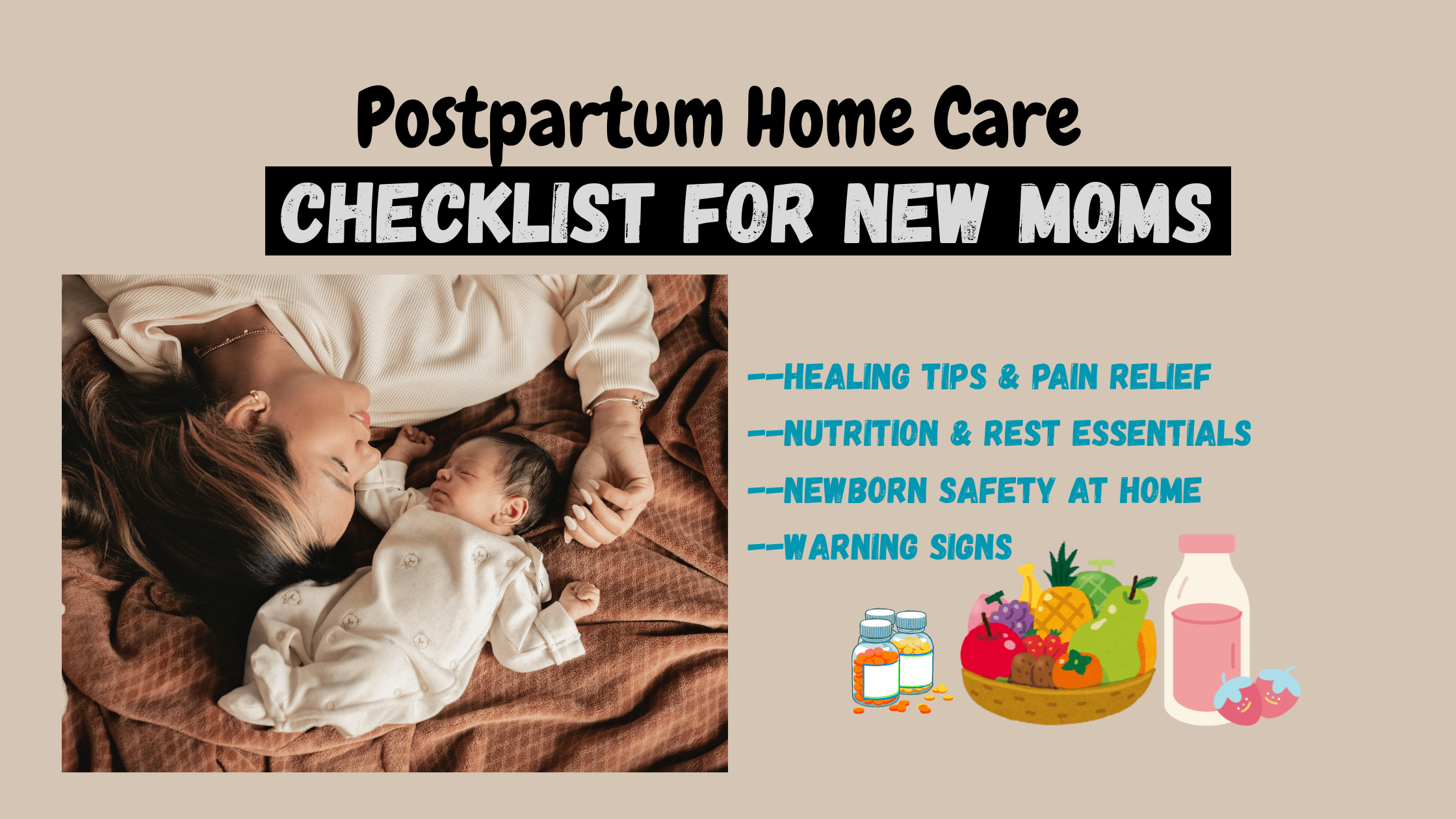
Becoming a new mom is definitely one of the most beautiful and different experiences of your life. But it can also be physically exhausting and emotionally severe. It’s the time when your body has just gone through some major transformations. And now you’re also responsible for taking care of yourself and your minor, delicate newborn.
Many new mothers are not fully aware of how to manage through this difficult phase safely and comfortably.
The reality is that proper postpartum care at home is not just about comfort, it’s about safety. Ignoring small but important steps like hygiene, rest, nutrition, and warning signs can lead to complications such as infections, delayed healing, or even serious health risks. So, this postpartum home care checklist for new moms is designed to guide them step-by-step. To help and educate them how they need to take care of them and their baby soon after birth. Whether you’ve had a normal delivery or a C-section, this guide will help you recover safely, helping you care for your newborn confidently, and create a healthy home environment.
What Is a Postpartum Home Care Checklist for Moms?
A postpartum home care checklist is an organized set of daily and weekly practices that support a mother’s recovery after childbirth while ensuring newborn safety. Think of it as your personal recovery plan for the first 6 weeks after delivery.
It acts like a daily roadmap, helping you stay organized during a time when your energy and focus may be limited.
Why Every New Mom Needs It
- Prevents avoidable complications
- Encourages proper healing
- Reduces anxiety and confusion
- Helps balance baby care and self-care
Why Postpartum Care at Home Is So Significant
The first six weeks after childbirth, also called the postpartum period, are critical for both mother and baby. At this time, your body is undergoing three types of recovery:
Physical Recovery
As you are healing physically, your body needs extra care and attention. Without it, healing can take longer, and some complications might arise. Treat yourself gently, you deserve it. Your body is healing from:
- Vaginal stitches
- C-section surgery
- Blood loss
- Hormonal changes
Without proper care, healing may slow down or complications may develop. At this time, you need to take care of the following:
Infection Prevention
Not taking proper care of yourself or your wounds after childbirth can sometimes lead to health problems, such as:
- Uterine infections
- Incision infections
- Urinary tract infections
Newborn Safety
Newborns have very delicate immune systems, making them extra vulnerable to germs and infections. That’s why keeping your home clean and safe isn’t just about proper organization and neatness. It’s about giving your little one the best and safest start in life.
Simple habits like washing hands before holding your baby, and keeping surfaces clean can make a big difference. Creating a calm, hygienic space helps your baby rest and grow safely, while giving you peace of mind as a parent.
Emotional Stability
After giving birth, your body goes through significant hormonal shifts, which can affect your mood and emotions. It’s normal to feel a little overwhelmed or anxious at times. With the right care, support from loved ones, and gentle self-compassion, you can ease stress and reduce the risk of postpartum depression.
Remember, it’s okay to ask for help, take small breaks, and give yourself care so that you can adjust to this new chapter of life. Every step you take towards nurturing yourself is also a step towards nurturing your baby.
What is Vital Postpartum Home Care Checklist for New Moms That Must be Followed
Personal Hygiene and Body Care
Maintaining good hygiene is essential for a smooth postpartum recovery, helping you and your baby stay healthy. It’s important to change your sanitary pads every 4 to 6 hours to prevent infection and keep yourself comfortable.
Always wash your hands before and after touching your little one, as this simple step can protect both of you from germs. If you’ve had a C-section, take extra care to softly clean and dry the incision site, ensuring it stays fresh and free from irritation. It’s a best practice to keep a small hygiene kit near your bed for easy access. Small, mindful hygiene habits like these can help you a lot in your recovery journey.
What to Avoid Regarding Postpartum Hygiene
- Avoid using fragrant products or harsh soaps.
- Avoid tight clothing that restricts airflow.
Managing Postpartum Bleeding Safely
What is Normal
Postpartum bleeding, also called lochia is your body’s natural way of gently getting rid of leftover tissue from the uterus after childbirth.
In the first few days, you may notice bright red bleeding, which is a normal thing. After about a week, the bleeding usually changes to a pink or brown color. By the second or third week, it often turns yellowish white as your body continues its natural healing process. This gradual change is a sign that your body is adjusting and recovering after giving birth.
Warning Signs
Don’t delay and consult your doctor immediately if you see the following warning signs:
- Soaking a pad in less than 1 hour.
- Passing large clots (bigger than a coin).
- Bad odor.
Nutrition and Hydration for Faster Postpartum Recovery
After baby birth, your body needs extra care and nourishment to heal and to produce healthy breast milk for your baby. Including a variety of nutrient-rich foods can make a big difference.
Try to eat iron-rich foods like spinach, beetroot, red meat or liver and dates to help your body recover quickly. Make sure to include good sources of protein, such as eggs, chicken, and lentils, which support both healing and milk production.
Calcium is also significantly important. So, include milk, yogurt, or other dairy options to keep your bones strong. Don’t forget to take fiber-rich fruits and vegetables. They keep your digestion smooth and provide essential vitamins for you and for your little one. Remember, Proper nutrition reduces fatigue and boosts recovery speed.
Recommended Foods
- Iron-rich: spinach, beetroot, dates, liver.
- Protein: eggs, chicken, lentils.
- Calcium: milk, yogurt.
- Fiber: fruits, vegetables.
Hydration
- Drink at least 8–10 glasses of water.
- Include soups and fresh juices.
Rest and Sleep Tips for New Moms
Sleep deprivation is one of the biggest challenges new moms face after childbirth, and it can feel disturbing at times. One of the most practical ways to cope is to try to rest whenever your baby is sleeping, even if it means letting some tasks wait. Limiting unnecessary visitors can also help you preserve your energy and create a peaceful space for you and your little one. Don’t hesitate to delegate household chores to family members or friends. Every bit of support counts.
Creating a calm and cozy sleeping environment can make it easier to grab those precious moments of rest whenever they come. Even short naps can significantly improve your energy and mood.
Tips
- Sleep when your baby sleeps.
- Limit unnecessary visitors.
- Assign household work to loved ones.
- Create a calm sleeping environment.
Postpartum Recovery Checklist for Physical Healing
Normal Delivery Recovery Tips
- Use a peri bottle for gentle cleaning.
- Avoid sitting on hard surfaces.
- Use ice packs for swelling (if needed).
C-Section Recovery Safety Tips
- Keep incision or scratch dry and clean.
- Avoid bending or lifting heavy items.
- Support your abdomen when coughing or sneezing.
- Healing from a C-section takes longer. be patient with your body.
Pain Management and Safe Medication Use
- Take only doctor-prescribed medications.
- Avoid self-medication.
- Use warm compresses for natural relief.
Gentle Movement and Activity
Movement improves blood circulation and prevents clots. You need to:
- Start with short walks.
- Avoid intense physical activity.
- Gradually increase movement.
Newborn Safety at Home for First-Time Moms
Safe Sleeping Tips for Newborns
Creating a safe sleep environment for your newborn baby is one of the most important steps in reducing risks. Always place your baby on the back to sleep, as this position is widely recommended for lowering the chances of Sudden Infant Death Syndrome (SIDS).
Use a firm mattress that provides proper support and doesn’t sink under your baby’s weight. It’s equally important to keep the crib simple and clutter-free. Avoid placing pillows, soft toys, or loose bedding inside, as these can pose suffocation hazards. A clean, firm, and minimal sleep space helps your baby rest safely and peacefully. So, must follow tips include:
- Always place baby on the back.
- Use a firm mattress.
- Keep crib free.
Maintaining Hygiene Around Your Baby
Caring starts with simple habits that adds to the health and comfort of your newborn. Always wash your hands before handling your little ones to protect them from germs, especially during feeding or diaper changes.
Make sure all feeding items like bottles are cleaned thoroughly after every use to keep your baby safe from infections. Always choose soft, breathable fabrics for baby. Keep your little one fresh and clean, so that your darling stays cozy, happy, and irritation-free throughout the day. So, let’s summarize:
- Wash hands before handling baby.
- Clean feeding items properly.
- Keep baby clothes soft and clean.
Safe Feeding Practices
Caring for your baby during feeding time is more than just a routine. It’s a moment of comfort, bonding, and safety for your newborn.
Ensuring a proper breastfeeding latch, as it helps your baby feed effectively while preventing discomfort for you. If you use bottles, make it a habit to sterilize them thoroughly to protect your little one from harmful germs and infections. After every feeding, gently burp your baby to release any trapped air, which can help prevent fussiness and keep them comfortable. These small, mindful steps can make feeding time smoother and safer for you and your baby. Key points to note are:
- Ensure proper breastfeeding latch
- Sterilize bottles thoroughly.
- Burp baby after feeding.
Creating a Safe Home Environment
Make sure your little one is always protected from smoke exposure, as even secondhand smoke can affect their delicate lungs. Keep the room at a comfortable temperature, so your baby can rest peacefully without discomfort.
It’s also important to stay mindful of your surroundings by keeping harmful items like small objects, sharp tools, or chemicals safely out of reach. These small, everyday steps go a long way in ensuring your baby grows up in a space that feels secure, healthy, and full of care. So, points to remember are:
- Avoid smoke exposure.
- Maintain comfortable temperature.
- Keep harmful items out of reach.
Postpartum Home Care and Safety: Summary
Postpartum recovery is a gradual process that requires patience, care, and support. By following above mentioned postpartum home care routine, you’re giving yourself the best chance to heal properly while ensuring your baby stays safe and healthy. Remember, it’s okay to ask for help. Taking care of yourself is not self-seeking, it’s crucial for you and your baby.
FAQs
How long does postpartum recovery take?
Ans: Most women recover within 6 weeks, but full recovery can take longer, for about 4 to 6 months.
What should a new mom avoid after delivery?
Ans: Avoid heavy lifting, poor hygiene, and ignoring warning signs.
What are danger signs after delivery?
Ans: Heavy bleeding, fever, severe pain, and dizziness.
How can I safely care for my newborn at home?
Ans: Follow hygiene, safe sleep practices, and regular monitoring.

4 Responses
[…] do read more useful articles from this site: Postpartum Stair Safety Tips, Postpartum Home Hazards, Postpartum Home Care Checklist. I’d love to hear what’s working for you at […]
[…] this site: Safe lifting after C-Section, Postpartum Stair Safety Tips, Postpartum Home Hazards, Postpartum Home Care Checklist, and stay connected for […]
[…] Do read more useful articles from this site: Postpartum Stair Safety Tips, Postpartum Home Hazards, Postpartum Home Care Checklist and stay […]
[…] another mom and stay connected for more useful guides for your safe postpartum journey. Do read Complete Postpartum Home Care Checklist from this site for useful […]