
Pregnancy Monitoring at Home: Best Devices, Safety Tips & When to Call a Doctor
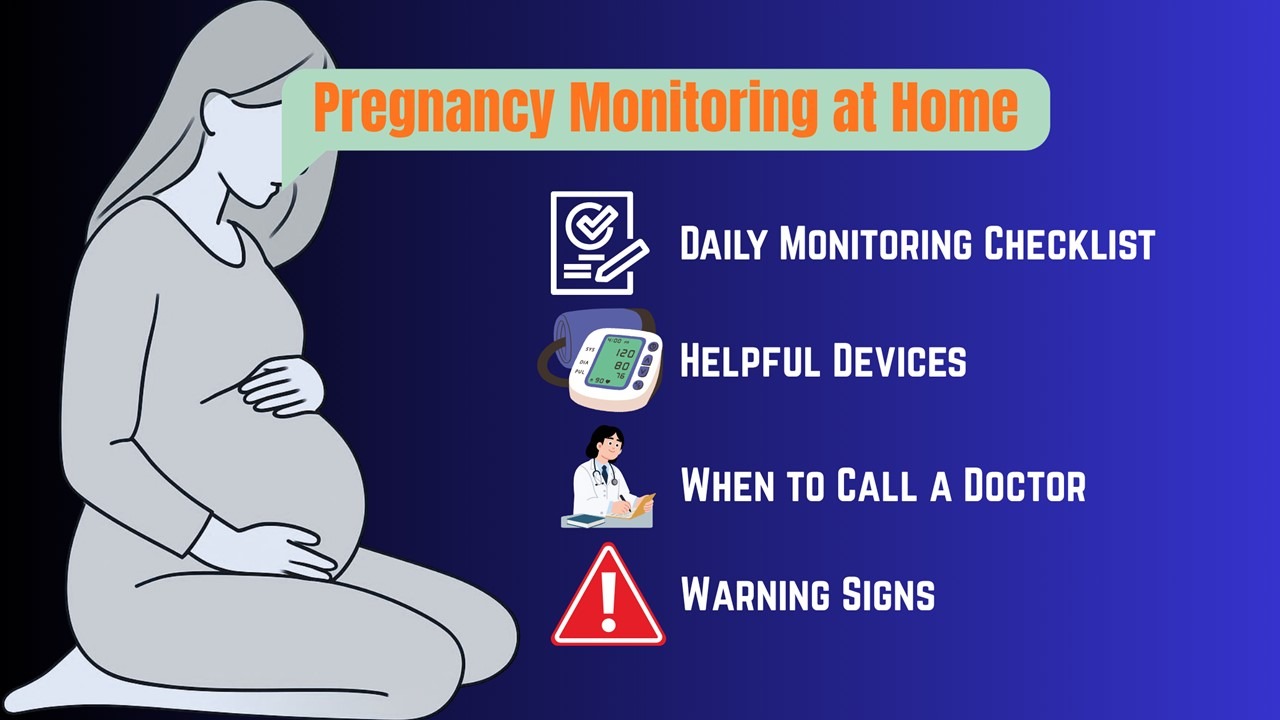
Prenatal period is a journey unlike any other. Each day can bring excitement, hope, and sometimes, a little worry. Many moms often find themselves thinking, “Am I going fine? Is my baby okay?” Especially when you’re at home, away from regular doctor visits, these thoughts can make you feel uncomfortable.
If this sounds familiar, know that you’re not alone. Millions of moms worldwide share this concern, and it’s completely normal. Here comes the good news. You can do pregnancy monitoring at home that can help you feel more connected to your baby, alert you to potential concerns early, and gives you the peace of mind that every expecting parent deserves.
In this guide, you’ll discover how to do pregnancy monitoring at home safely, signs you should never ignore, when to contact a doctor, and about the best tools and tips for a healthy, confident pregnancy journey.
How to Do Pregnancy Monitoring at Home Safely?
Monitoring pregnancy at home is easy. It’s about understanding your body, paying attention to your baby, and following safe and simple routines.
Daily Pregnancy Monitoring Routine at Home
A small daily routine can make a big difference:
Track baby movements: Usually, after 20 weeks, babies develop regular patterns.
Notice symptoms: Keep an eye out for pain, cramping, bleeding, or sudden swelling.
Observe overall health: Note your energy levels, mood, and appetite.
Monitor Basic Health Signs
Simple measurements at home can help detect early problems:
Blood pressure: Especially for moms at risk of hypertension or preeclampsia.
Weight tracking: Helps detect abnormal weight gain or loss.
Swelling check: Mild swelling is common, but sudden or severe swelling in hands, feet, or face can be a warning sign.

Why Pregnancy Monitoring at Home Is Important?
Remember, home monitoring is not meant to replace doctor visits. It’s meant to support you between appointments and ensures your health. By incorporating pregnancy monitoring at home into your routine, you gain confidence, control, and reassurance.
Key Benefits:
- Early detection of issues: Sudden changes are easier to spot.
- Peace of mind: Monitoring your baby can reduce anxiety.
- Helpful for high-risk pregnancies: Moms with gestational diabetes, hypertension, or previous pregnancy complications benefit from extra vigilance.
- Practical for busy moms: Not everyone can visit a clinic frequently, making home monitoring essential.
Pregnancy Monitoring at Home: Signs You Should Never Ignore
While many pregnancy symptoms are normal, some require immediate attention. When in doubt, call your healthcare provider immediately. Your instincts as a mother are a critical guide.
Warning Signs:
- Reduced or no baby movement: Indicates potential distress.
- Vaginal bleeding: Could be a sign of miscarriage, placenta issues, or preterm labor.
- Severe abdominal pain or cramping: Not typical, especially if persistent.
- Blurred vision, dizziness, or severe headaches: May indicate high blood pressure or preeclampsia.
- Sudden swelling in face, hands, or legs: Another possible sign of preeclampsia.

When to Call a Doctor While Monitoring Pregnancy at Home?
Understanding when to seek medical help can be lifesaving. Don’t panic, never delay. Even small delays can be significant.
Situations that require a call:
- Noticeable decrease or absence of baby movements.
- Strong or persistent abdominal pain.
- Vaginal bleeding or unusual discharge.
- Severe headaches, dizziness, or fainting.
- Sudden swelling or high blood pressure readings.
How to act:
- Do not wait, contact your doctor if any symptoms persist.
- Keep emergency numbers handy (your obstetrician, hospital, or local maternity ward).
- Document symptoms to provide accurate information to your healthcare provider.

Pregnancy Monitoring at Home During the Third Trimester
The third trimester is when both you and your baby are most vulnerable, making home monitoring increasingly important. This phase of pregnancy is about staying alert without adding unnecessary worry.
Focus Areas:
- Daily baby movement tracking: Changes may indicate fetal distress.
- Signs of labor: Monitor contractions, water breaking, or unusual pain.
- Blood pressure: Especially if at risk for preeclampsia.
Warning Signs in the Third Trimester:
- Decreased fetal movement.
- Severe swelling.
- Severe headaches or vision changes.
- Vaginal bleeding or fluid leakage.
Preparation Tips:
- Keep your hospital bag ready.
- Stay in touch with your doctor.
- Note any early labor signs and call immediately.

Best Devices for Pregnancy Monitoring at Home
Some devices can make home monitoring safer and easier, but keep in mind that they should always be used alongside medical guidance. Do not forget to consult your healthcare provider before relying on home devices.
Fetal Doppler
- Lets you hear your baby’s heartbeat.
- Recommended to use only occasionally.
- Helps reassure anxious parents.
Blood Pressure Monitor
- Vital for detecting high blood pressure or preeclampsia.
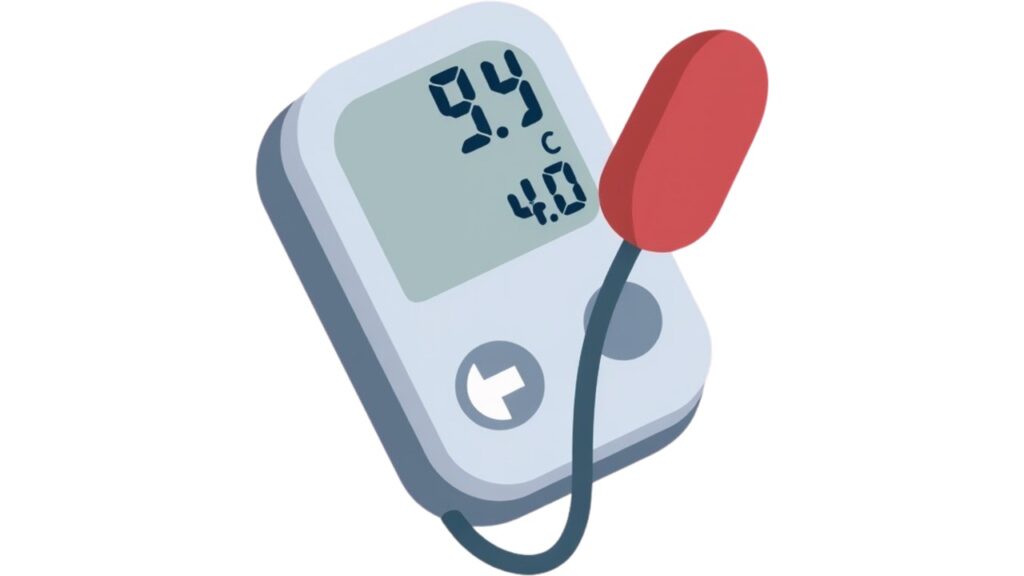
- Measure at the same time daily for accuracy.
Glucose Monitor
- Important for mothers with gestational diabetes.
- Track your readings and report unusual levels to your doctor.
Pregnancy Apps
- Track symptoms, baby movements, and doctor appointments.
- Set reminders for hydration, medications, or kick counts.
Safe Tips for Effective Pregnancy Monitoring at Home
Listening to your body is one of the most powerful monitoring tools you have. No device can replace your instincts. Never ignore them. Monitoring is most effective when combined with healthy habits:
- Maintain regular prenatal visits.
- Keep a pregnancy journal or app to record symptoms.
- Eat a balanced diet rich in fruits, vegetables, and protein.
- Stay hydrated and get enough rest.
- Practice gentle exercise, if approved by your doctor.

How to Monitor Contractions at Home
Monitoring contractions at home is an important skill that helps you understand when your body is preparing for labor. Start by noting the time when a contraction begins and ends, and track how long it lasts. Use a simple timer, mobile app, or even a notebook to record the pattern. Pay attention to the frequency, meaning how far apart the contractions are. Early contractions are usually irregular, while true labor contractions become consistent.
Also observe the intensity of each contraction, whether it feels mild, moderate, or strong. Try to notice if the pain increases over time and doesn’t go away with rest or hydration. Practice the “5-1-1 rule”: contractions every 5 minutes, lasting 1 minute, for at least 1 hour may indicate active labor. Stay hydrated and change positions to see if contractions slow down, as false labor often eases with movement.
Always trust your instincts, if contractions become very painful, regular, or are accompanied by bleeding or fluid leakage, contact your doctor immediately. Keeping a calm mindset and staying prepared will help you respond confidently when the time comes.

FAQs About Pregnancy Monitoring at Home
Q1: Is pregnancy monitoring at home safe?
Ans: Yes, it is safe when done correctly. But it should complement, not replace, regular doctor visits.
Q2: How can I check if my baby is okay at home?
Ans: Track fetal movements, monitor your own symptoms, and use devices as advised by your doctor.
Q3: Can I monitor pregnancy without ultrasound?
Ans: You can track general health and fetal movement, but ultrasounds are essential for accurate assessment.
Q4: How often should I monitor baby movements?
Ans: Daily monitoring is recommended, particularly in the third trimester.
Q5: Which devices are safe for home use?
Ans: Fetal Dopplers, blood pressure monitors, glucose monitors, and pregnancy tracking apps can be safe when used under medical guidance.
Conclusion
Pregnancy monitoring at home provides awareness, reassurance, and a sense of control, but it works best when combined with regular medical care. Remember, your instincts are powerful. Listen to your body, stay alert, and never hesitate to call your doctor if you feel something unusual.
You’re not alone in this journey. By taking these simple, safe steps, you can safeguard yourself and your baby with confidence and peace of mind.
If this guide helped you, share it with another mom who might need reassurance today. Read our Complete Month-by-Month Guide for Safe and Healthy Pregnancy and stay connected for more helpful guides.


1 Response
[…] baby is doing well. Take a few quiet moments each day to notice these movements, as this simple daily monitoring routine can help you feel more connected and aware of your baby’s well-being. At the same time, you need […]